
2026 Nagoya University International Summer Program Report
Summary and Objectives
From July 7 to July 13, 2026, Nagoya University School of Medicine hosted the main educational program of its international summer program. Nine visiting medical students from five partner institutions--Johns Hopkins University, Duke University, the University of North Carolina at Chapel Hill, the University of California, Davis, and Lancaster University--joined thirteen students from Nagoya University.
Under the theme "Bridging Community Medicine and Innovations in Japan" and the subtitle "From Local Practice to Global Breakthroughs: Exploring Japanese Medical Advances," participants explored community healthcare, aging societies, medical ethics and medical innovation. Lectures, hospital and laboratory visits, community-based learning and cultural activities connected medical education with the everyday lives of patients and families.
The program provided opportunities for students to compare healthcare systems and educational experiences, discuss the challenges facing their communities and learn from one another. A central feature was the partnership between visiting students and Nagoya University student buddies, whose shared activities extended the learning beyond formal sessions.
Learning About Community Medicine and Medical Innovations
Community-based learning in Gifu was a central part of the program. Through activities with the General Home Care Clinic of Medical Corporation Kagayaki, led by Dr. Ryoichi Ichihashi, students explored the relationships between clinical care, family support and life in the community.
Visiting students who accompanied home-care teams described how seeing patients in their own homes broadened their understanding of illness and care. Their observations brought attention to the home environment, family relationships and the continuity of contact between patients and healthcare professionals. Visiting students and their Nagoya University peers brought their experiences together through discussion and collaborative work.
Through discussions of ikigai and concept maps connecting biological, psychological and social factors, students considered how care could support the activities and relationships that gave meaning to each patient's life. Their reflections emphasized the importance of understanding the person receiving care, including small sources of daily enjoyment and the goals that mattered to them.
Visits to Chikaishi Hospital and CamCam Swallow provided further perspectives on supportive care. Students reflected on how care environments and meals adapted for people with swallowing difficulties could help preserve dignity, comfort and participation in family and community life.
At the Medical xR Center, participants explored simulation and technology-supported medical learning. A visit to the National Center for Geriatrics and Gerontology in Obu connected innovation with rehabilitation, frailty and support for older adults. Students' reports highlighted that assistive technologies could benefit caregivers as well as patients and help people maintain independence and enjoyment in everyday life.
Medical ethics sessions used clinical cases to encourage reflection on decision-making and professional responsibilities. The program also included discussions of One Health and healthcare across cultures, allowing participants to connect their observations with wider questions in medicine.
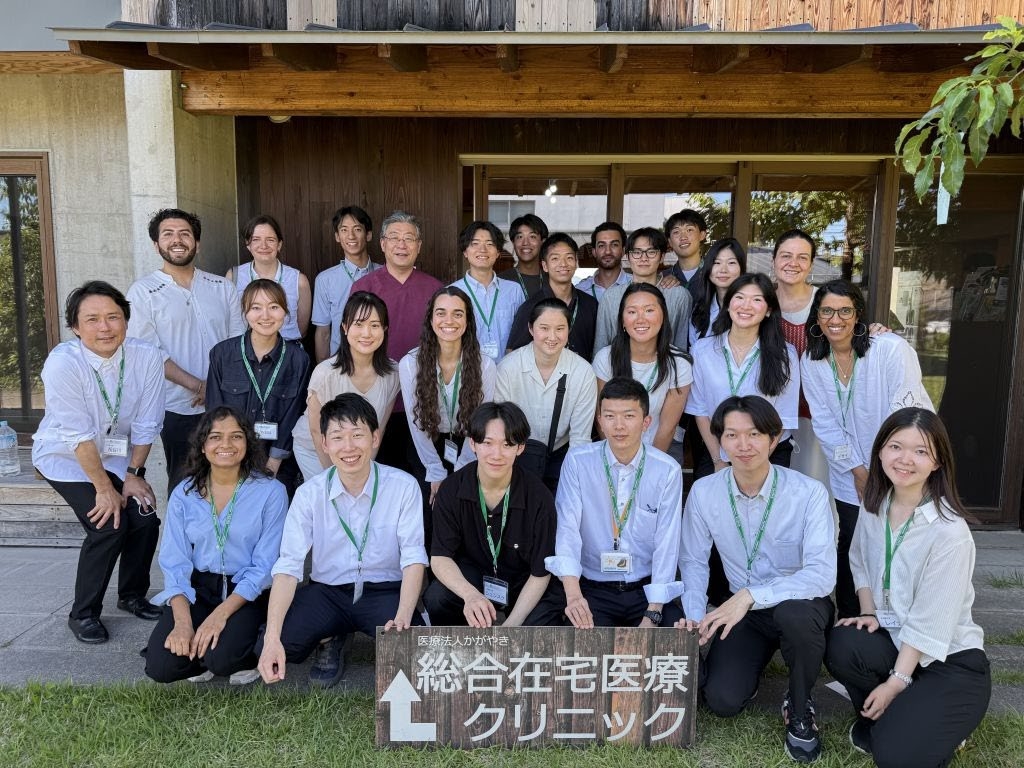
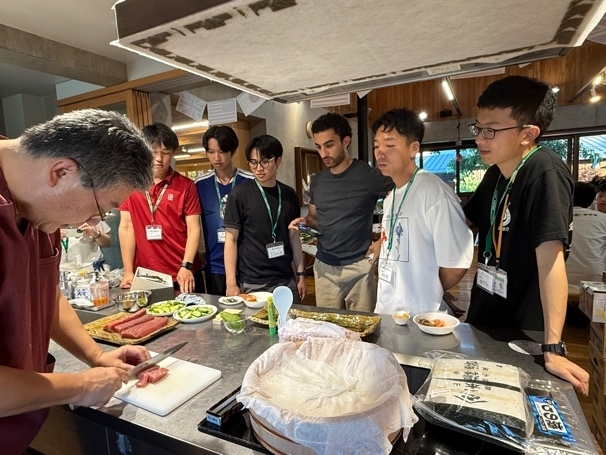
Community-based learning in Gifu.
Exploring Academic Research: Laboratory Visits at Nagoya University
On July 7, participants visited clinical departments and research laboratories within Nagoya University Graduate School of Medicine. These visits complemented the hospital tour and introductory sessions, offering opportunities to explore the university's academic and clinical environment in smaller groups.
Students' reports described experiences in public health, general medicine, dermatology, urology and thoracic surgery, reflecting their different interests. Discussions with faculty members, researchers and healthcare professionals helped students consider the relationship between research, medical education and clinical practice.
The visits also prompted comparisons between training pathways and approaches to patient care in different countries. For some students, these encounters deepened an existing academic interest; for others, they introduced new possibilities for future study or specialization.
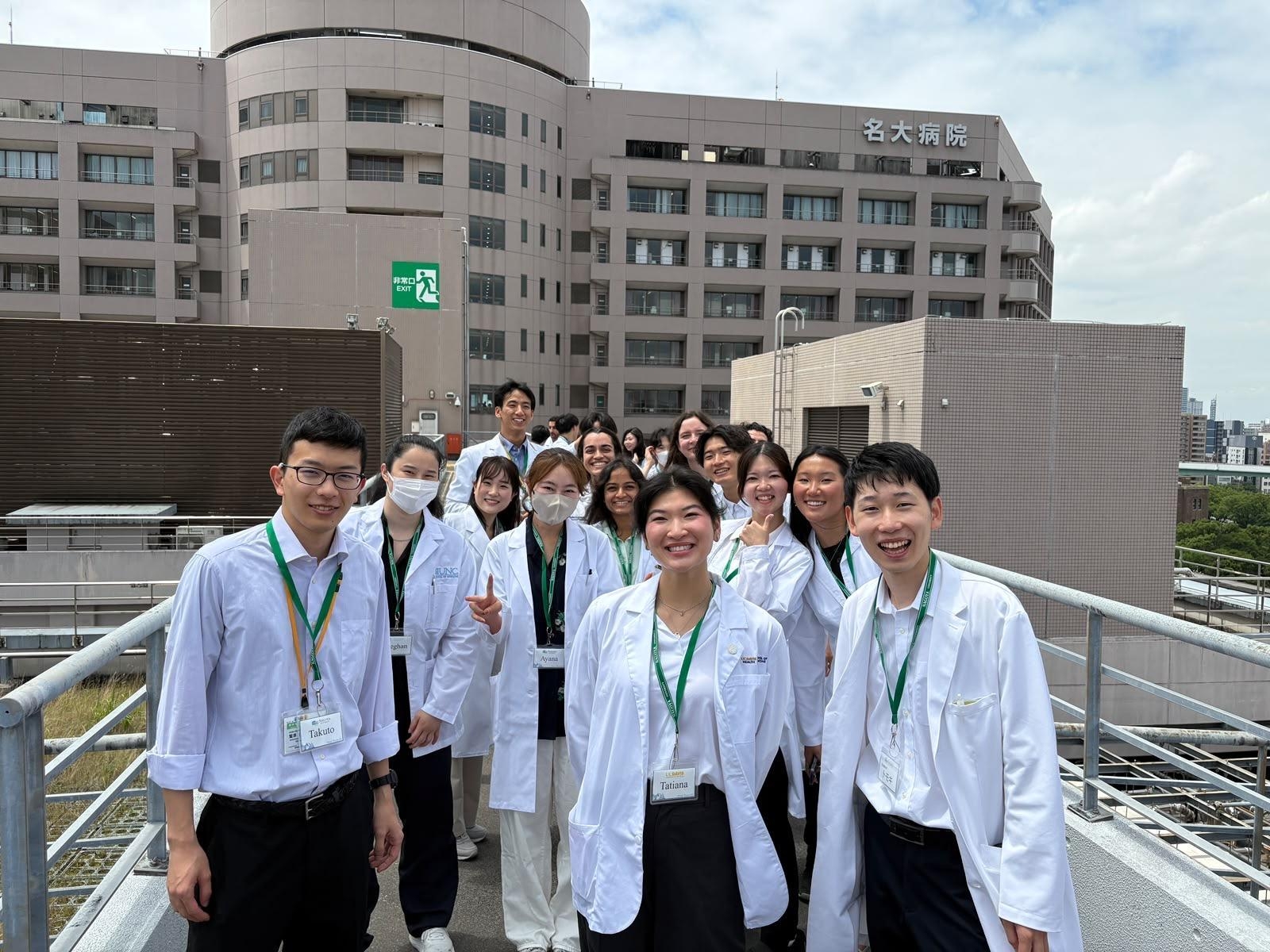
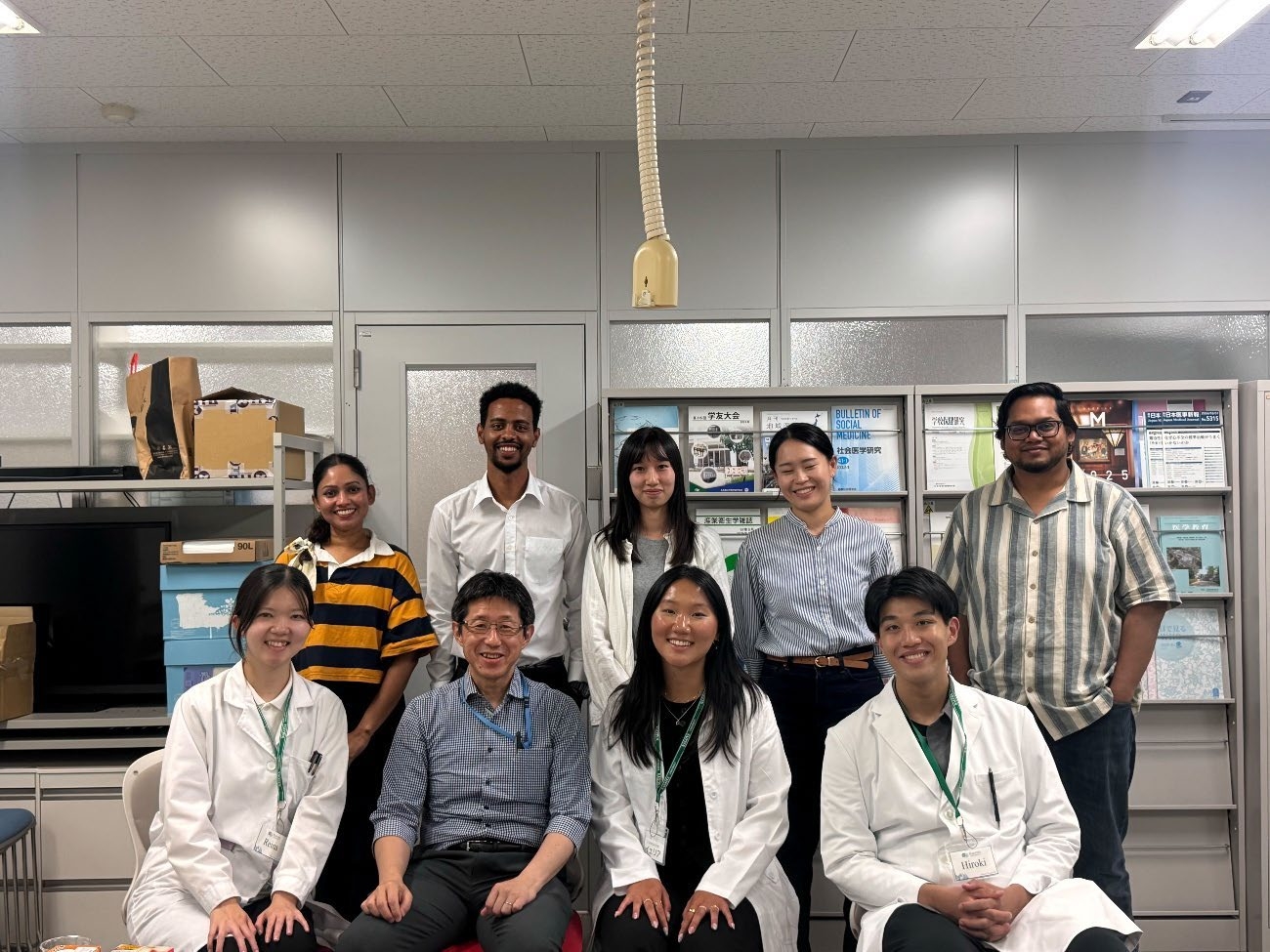
Clinical and academic exchange at Nagoya University.
Promoting International Medical Education
International exchange was a shared educational experience for visiting students and their Nagoya University peers. Through lectures, clinical and community-based learning, and everyday conversations, students considered how healthcare is shaped by social circumstances, culture and individual values.
Visiting students valued the welcome they received from their buddies and the opportunity to learn about student life in Japan. Nagoya University students described increased confidence in communicating in English, renewed motivation to study medicine and languages, and greater interest in future overseas study. Their reports also emphasized learning to ask questions, explain their views and appreciate differences between individuals.
Cultural activities, including wearing yukata, exploring Mino and experiencing cormorant fishing on the Nagara River, created opportunities to strengthen friendships and understand the communities in which healthcare takes place.
The final presentations and discussions brought together students' reflections on community medicine, medical innovation and patients' goals. Across the reports, participants valued the relationships formed during the program alongside their academic learning. These connections provide a basis for continued exchange and future collaboration.
We extend our sincere thanks to the participating students and partner universities, the patients and families who welcomed learners, and the faculty members, healthcare professionals and staff who supported the program. We are particularly grateful to our hosts at Nagoya University Hospital, the National Center for Geriatrics and Gerontology, Medical Corporation Kagayaki, Chikaishi Hospital and CamCam Swallow, and to the Nagoya University student buddies.
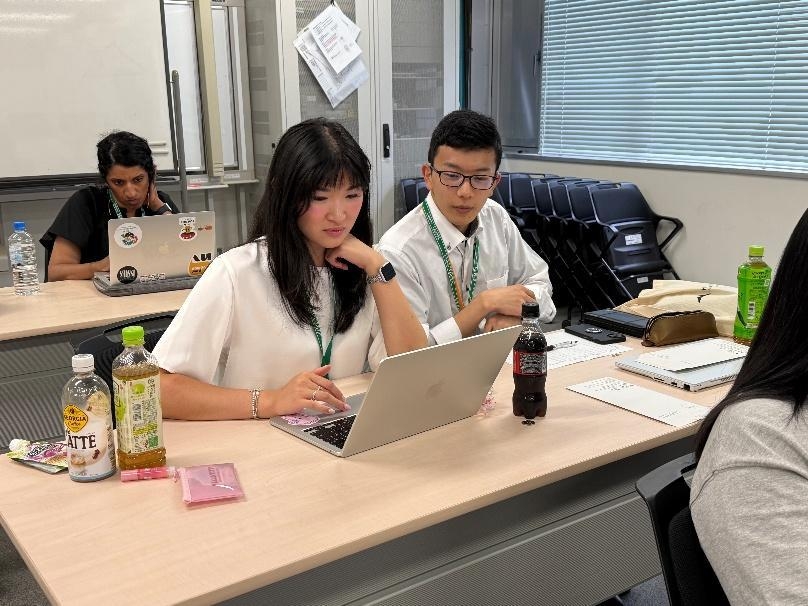
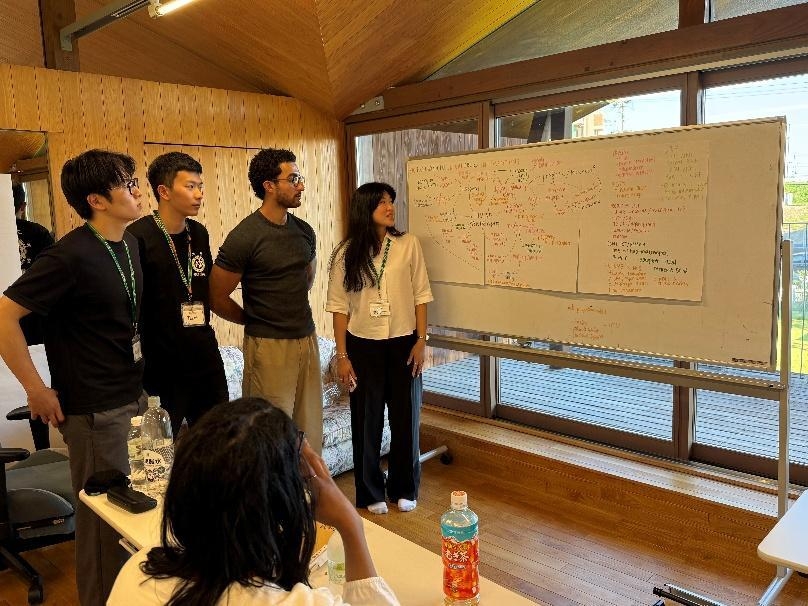
Collaborative learning and student presentations.
Special Guests
The 2026 program brought together faculty members whose work spans infectious diseases, pediatrics, geriatric medicine and international medical education. Their contributions connected clinical expertise with the questions students encountered throughout the week: how to understand patients in context, respond to changing health needs and learn across healthcare systems and cultures.
Dr. Angel N. Desai (University of California, Davis School of Medicine)
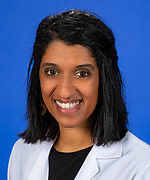
Dr. Desai is an Associate Professor in the Division of Infectious Diseases at UC Davis. Her clinical and research interests include emerging infectious diseases, outbreaks, tropical medicine and the use of surveillance tools to understand changing patterns of disease.
On the final day, she delivered a case-based lecture on infectious diseases and One Health. Students explored connections between human health, animals and the environment, considering how climate change, deforestation and changes in human activity can influence the emergence and spread of infections. Their reports described learning from clinical examples of diseases less familiar to them in Japan. The session extended the program's emphasis on understanding patients within a wider context, from families and communities to ecosystems and global health. Dr. Desai also contributed to the discussion on healthcare across cultures.
Dr. Esther Jeong

Dr. Jeong is a U.S. board-certified pediatrician and a former Assistant Professor of Pediatrics at Duke University School of Medicine. Her background in primary care pediatrics and academic medical education brought an additional clinical and educational perspective to the exchange.
She joined both the first-day orientation and the final discussion session, contributing at the opening and conclusion of the students' shared learning experience. These sessions provided opportunities to consider differences in healthcare and medical education and to revisit those questions after the clinical visits, community-based activities and conversations with peers. Her participation helped connect the program's international exchange with reflection on patient care and learning across cultures.
Prof. Hiroyuki Umegaki (Nagoya University School of Medicine)

Professor Umegaki leads the Department of Community Healthcare and Geriatrics at Nagoya University. His field brings together the care of older adults, comprehensive geriatric assessment and the relationships between health, function and everyday life.
During the clinical and academic visits, he discussed the challenges of caring for an aging population, including multimorbidity, polypharmacy and the need to tailor care to each patient's circumstances. A visiting student's report highlighted how disease-specific guidelines and fragmented care can contribute to complex medication regimens, prompting reflection on the coordinating role of primary care. A Nagoya University student also described an extended question-and-answer session in which visiting students actively raised questions. These exchanges connected geriatric knowledge with the program's broader focus on continuity of care, patients' priorities and community support.
Dr. Alejandra Montero (Nagoya University)
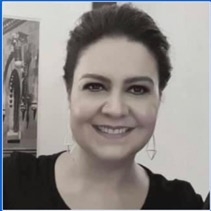
Dr. Montero is a physician and faculty member in the Department of International Medical Education and Office of International Affairs at Nagoya University. Through the university's Pre-overseas Clinical Clerkship Training Program, she helps students prepare for clinical electives abroad by developing their clinical English and intercultural communication skills. Her teaching connects language learning with clinical history-taking and communication in medical settings.
During the summer program, she contributed to cross-cultural discussions and collaborative learning activities, supporting students as they compared experiences of medical education and patient care. Alongside the visiting faculty, she contributed to the discussion on healthcare across cultures. Her involvement connected the visiting students' perspectives with the learning of their Nagoya University peers and supported the program's emphasis on exchanging ideas, questioning familiar assumptions and learning together.
Participants: Click to Read Their Stories
Johns Hopkins University
Duke University
University of North Carolina at Chapel Hill
University of California, Davis
Lancaster University
Nagoya University
- Taiga Sato
- Yuri Uda
- Ayana Yokota
- Shunsuke Fujii
- Tomoki Nishikawa
- Hiroki Katsumata
- Yusuke Tanaka
- Kazuo Nakano
- Shunsuke Nakashimo
- Kosuke Yoshimura
- Reina Sakamoto
- Yuki Muramoto
- Takuto Washizawa
The 2026 program connected university-based learning, community and home healthcare, medical innovation and cultural exchange. Students' reflections showed how shared experiences could broaden their understanding of patients' lives, strengthen confidence in international communication and inspire further learning.
Program Photos
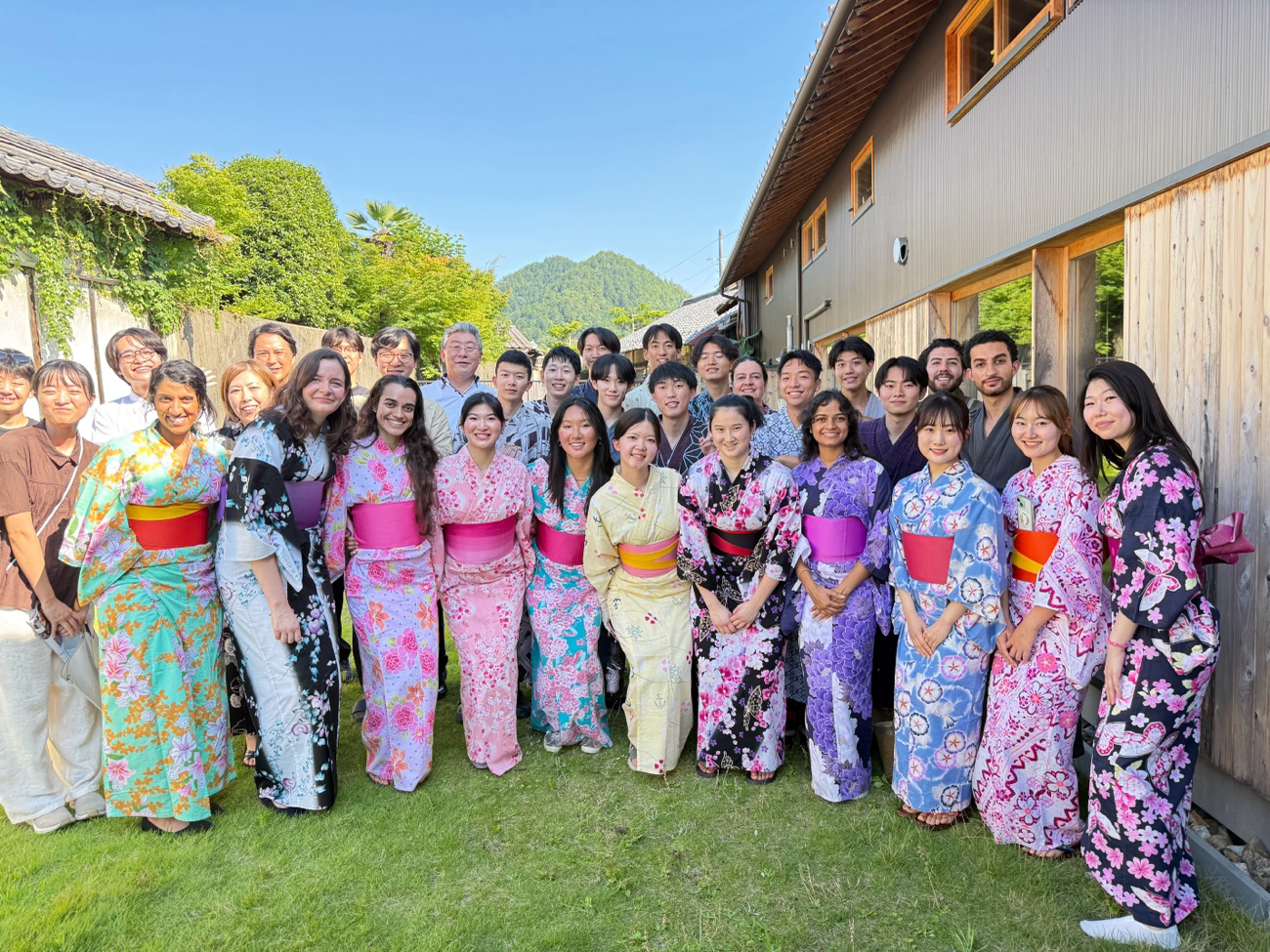
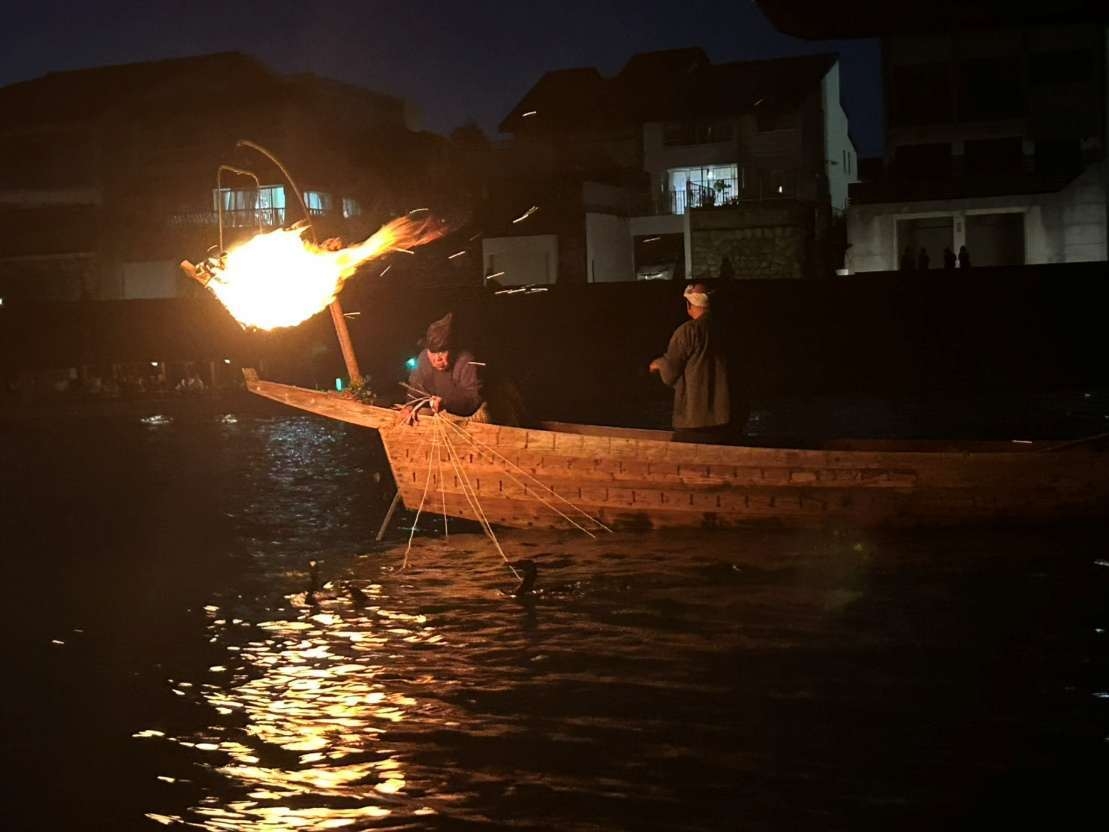
Cultural exchange in Gifu and cormorant fishing on the Nagara River.
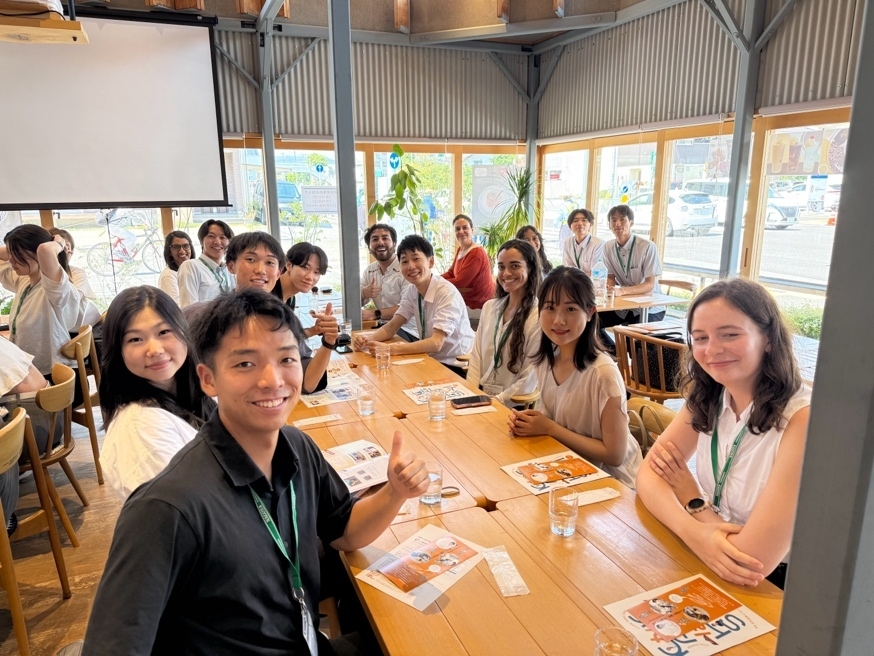
Shared learning and exchange during the program.
Photographs from participants' 2026 experience reports.
