2025 Nagoya University International Summer Program Report
Summary and Objectives
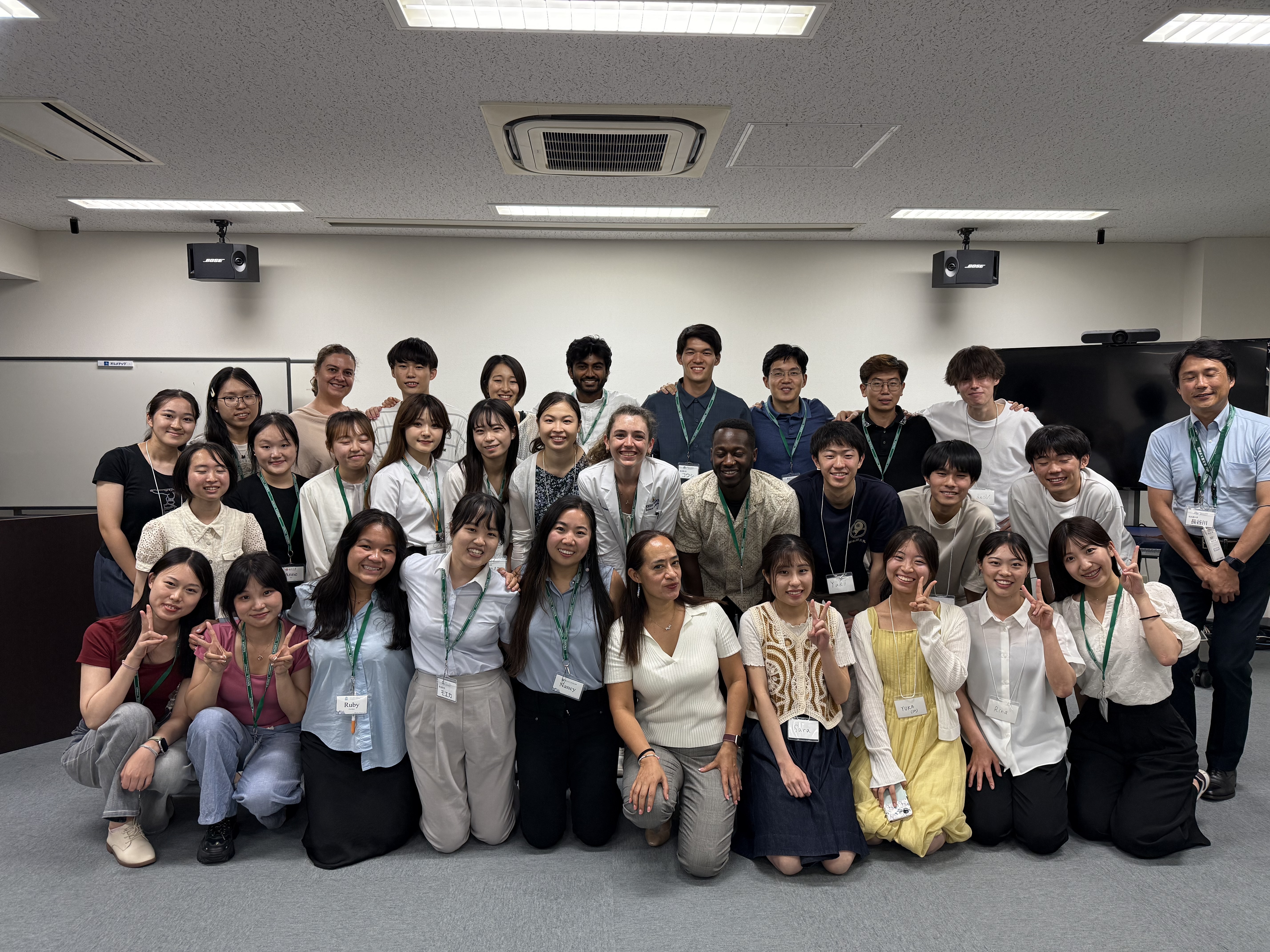
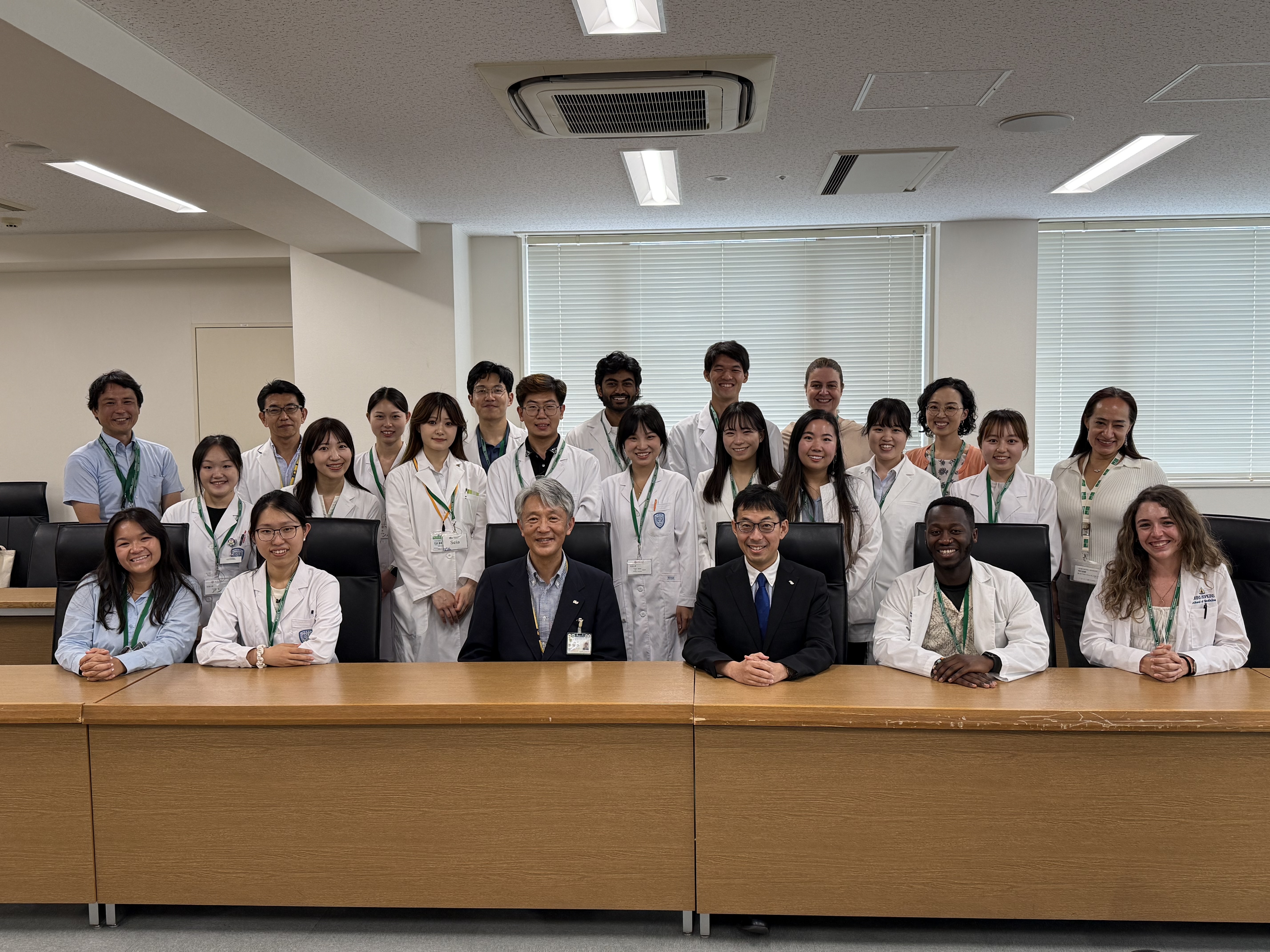
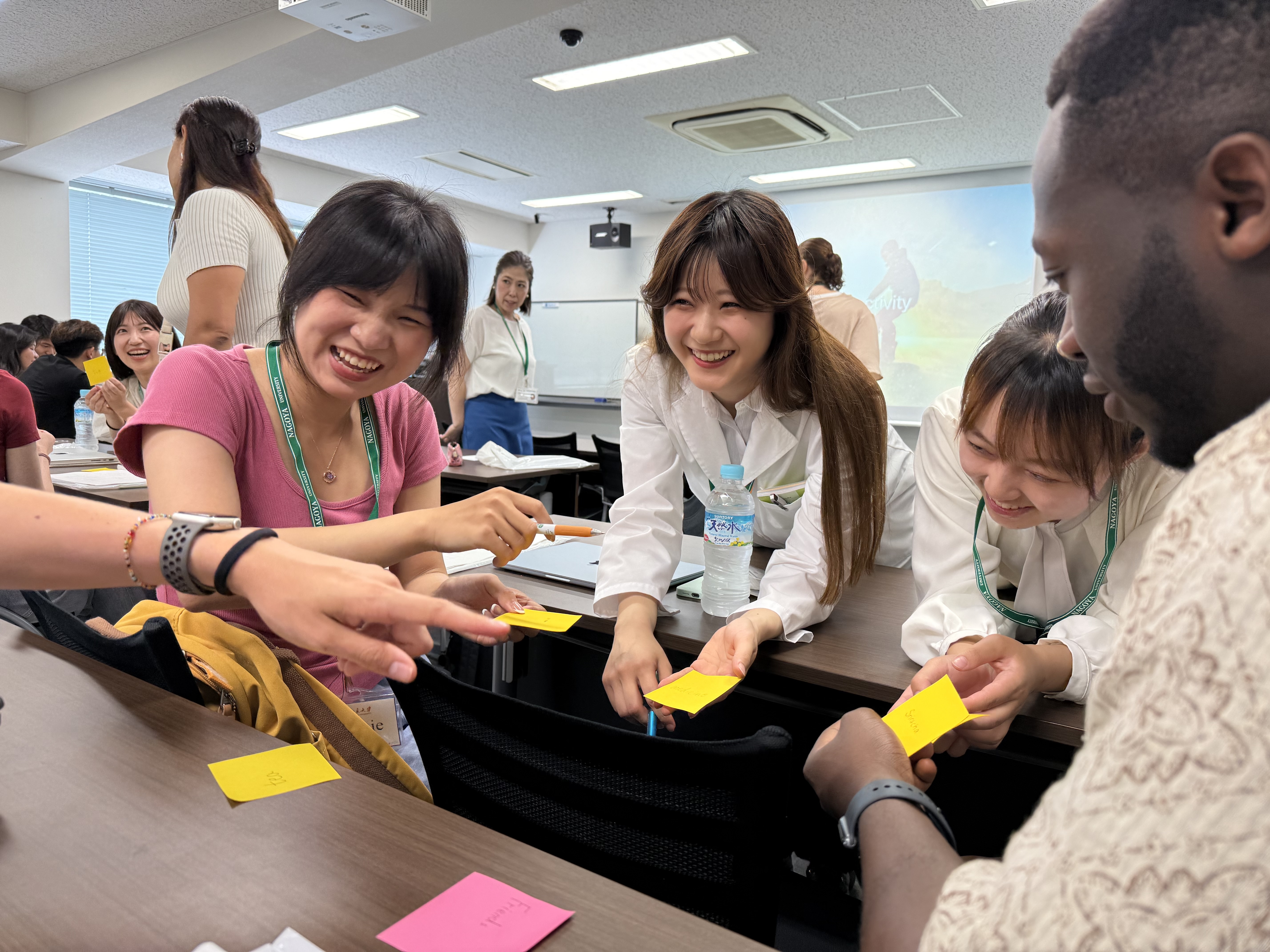
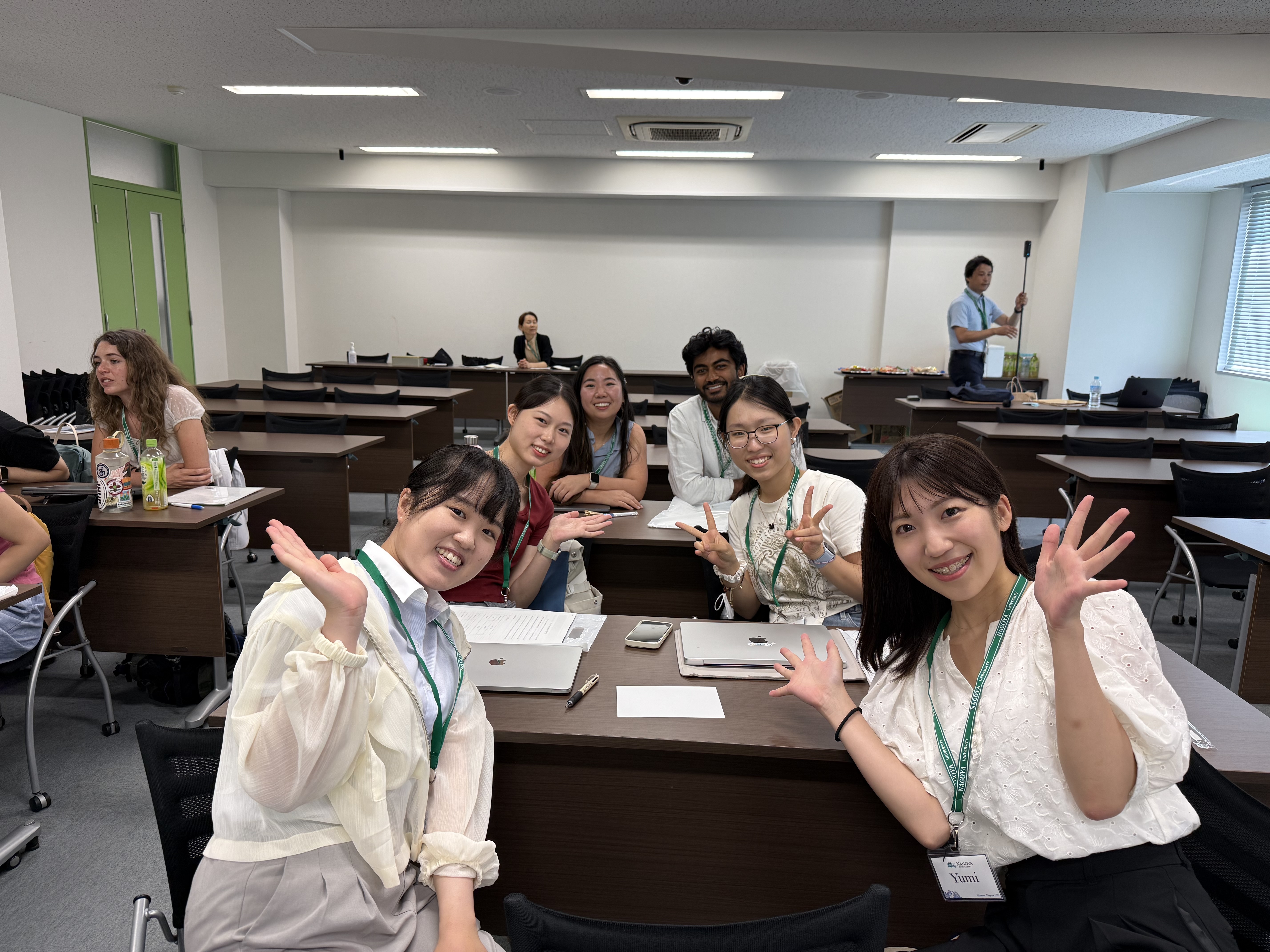
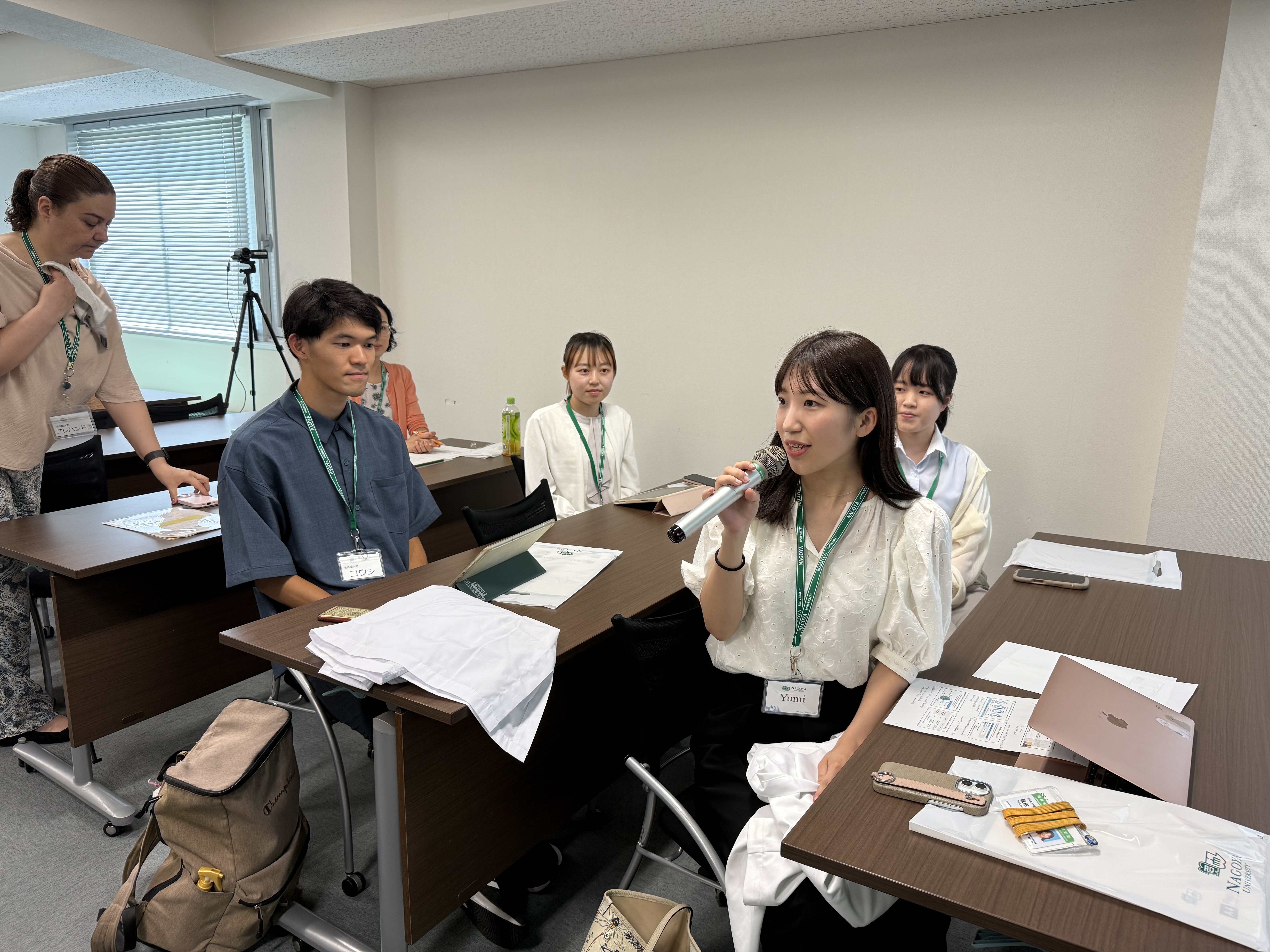
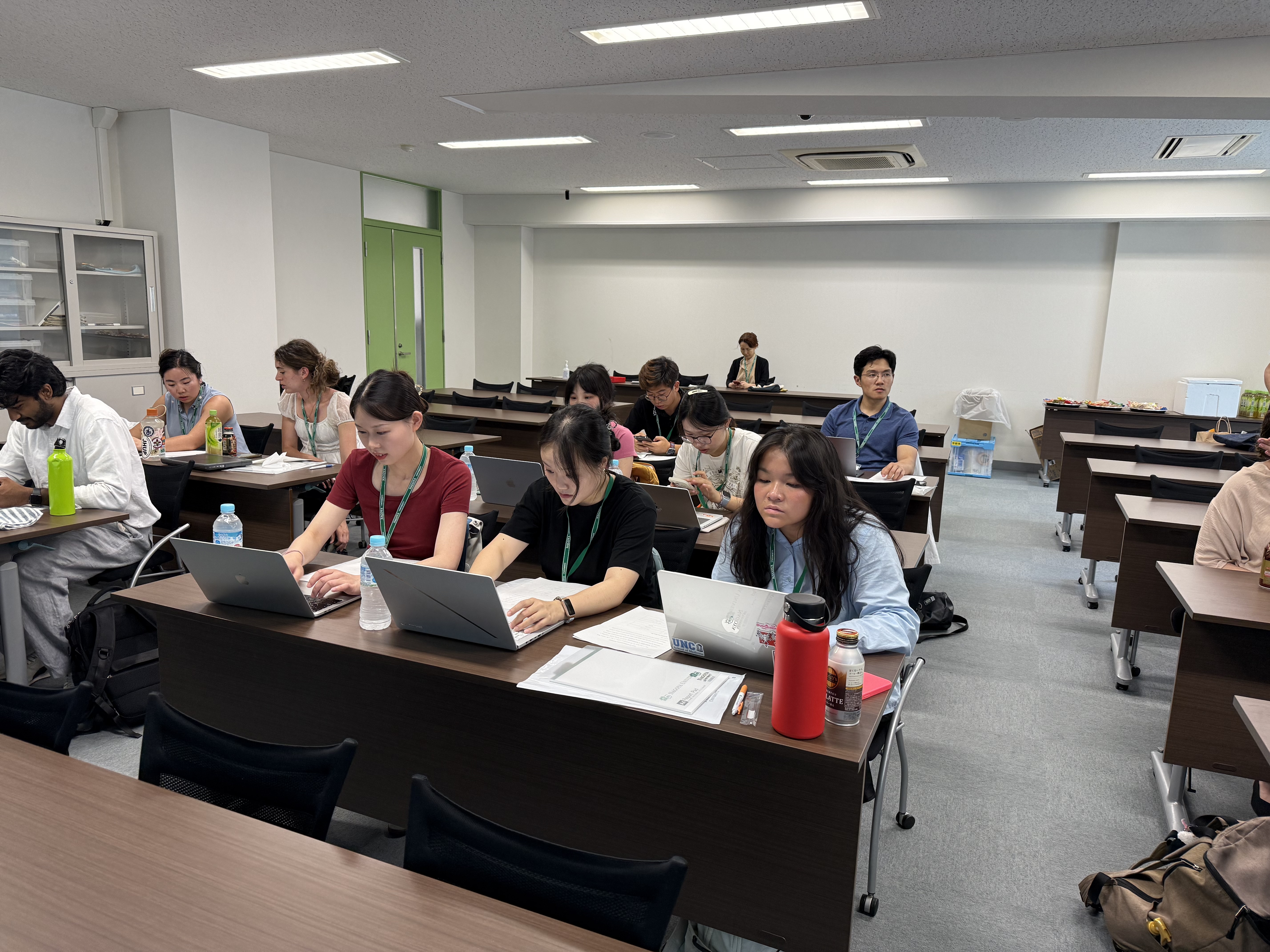
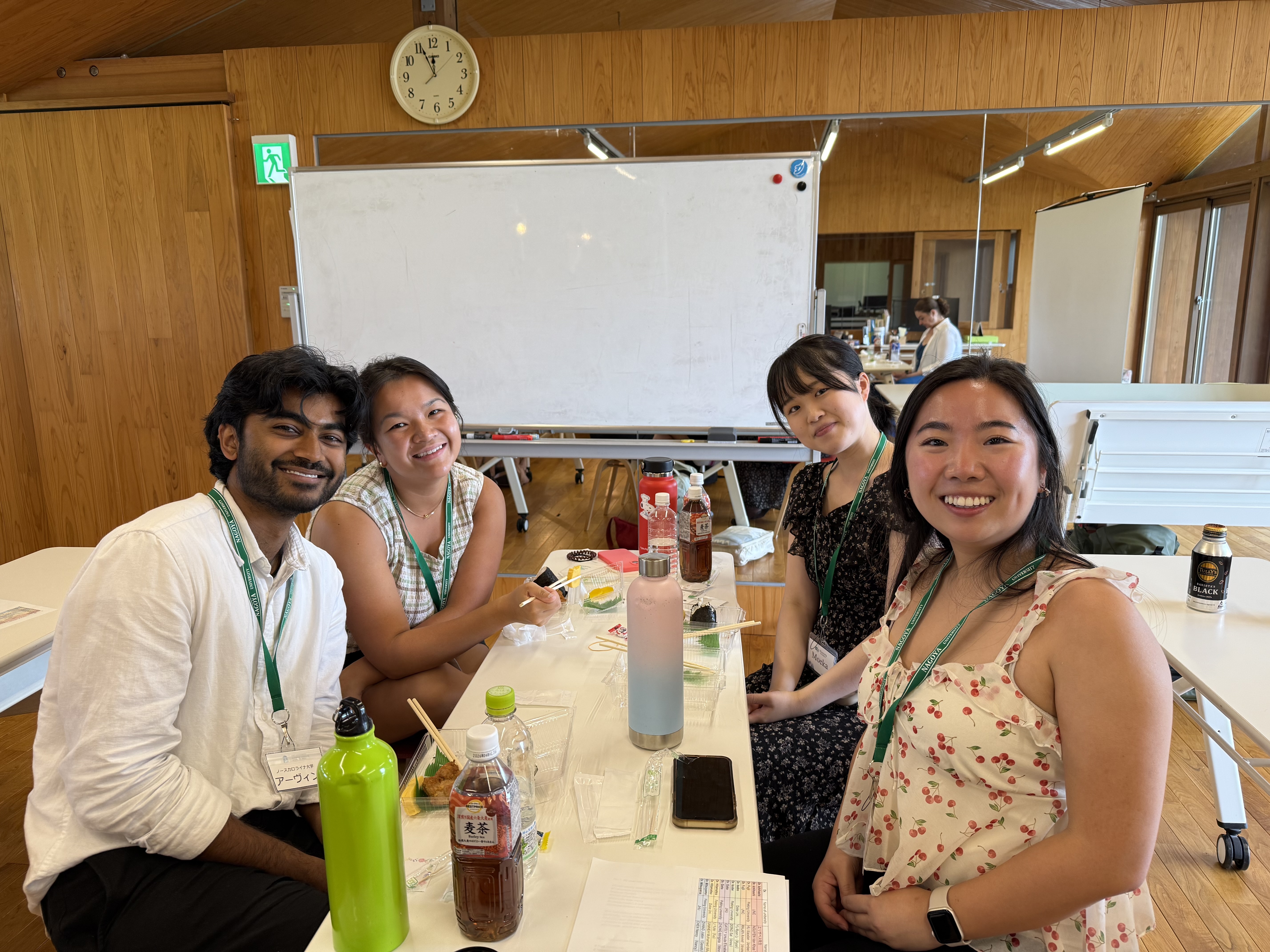
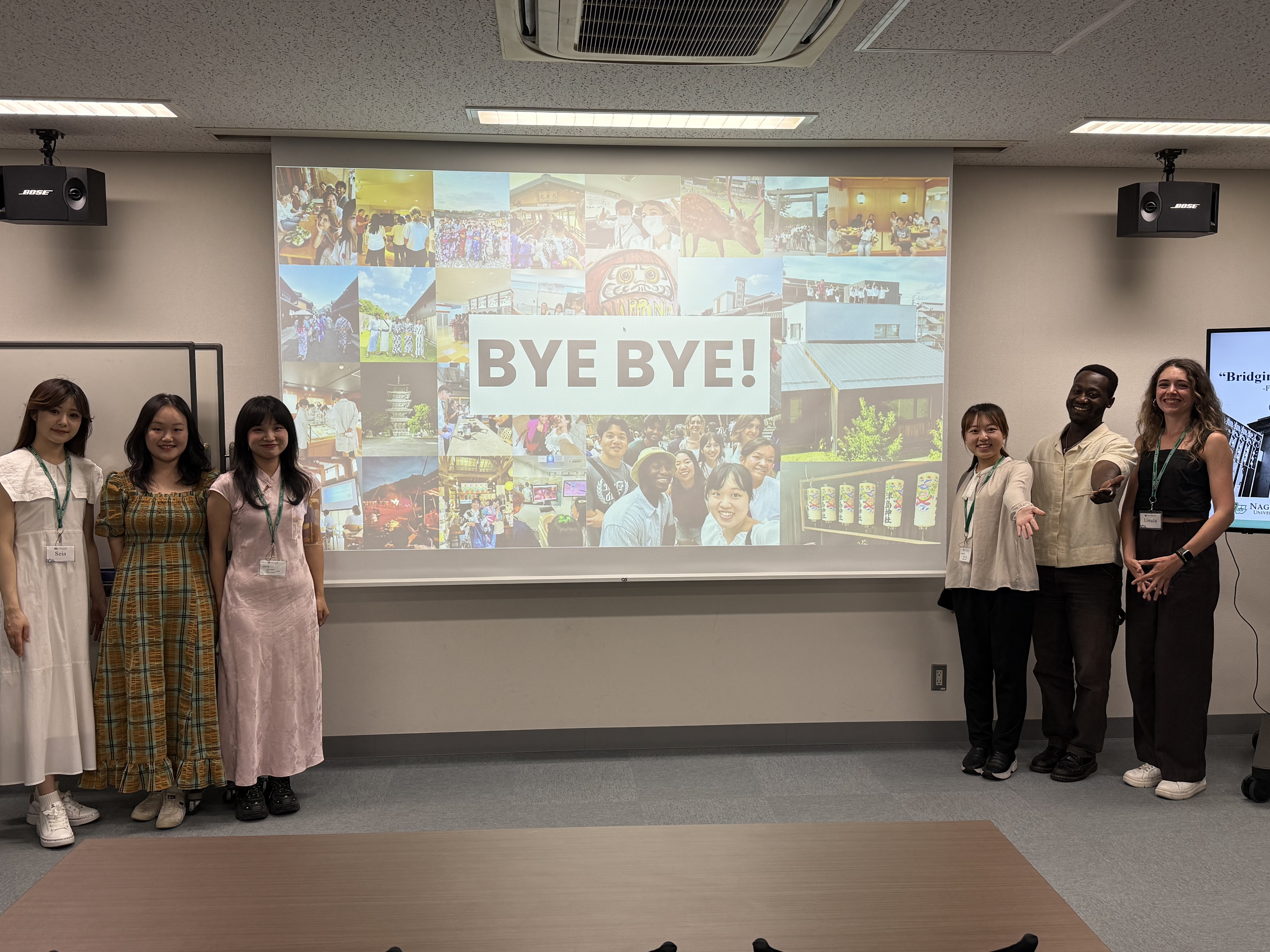
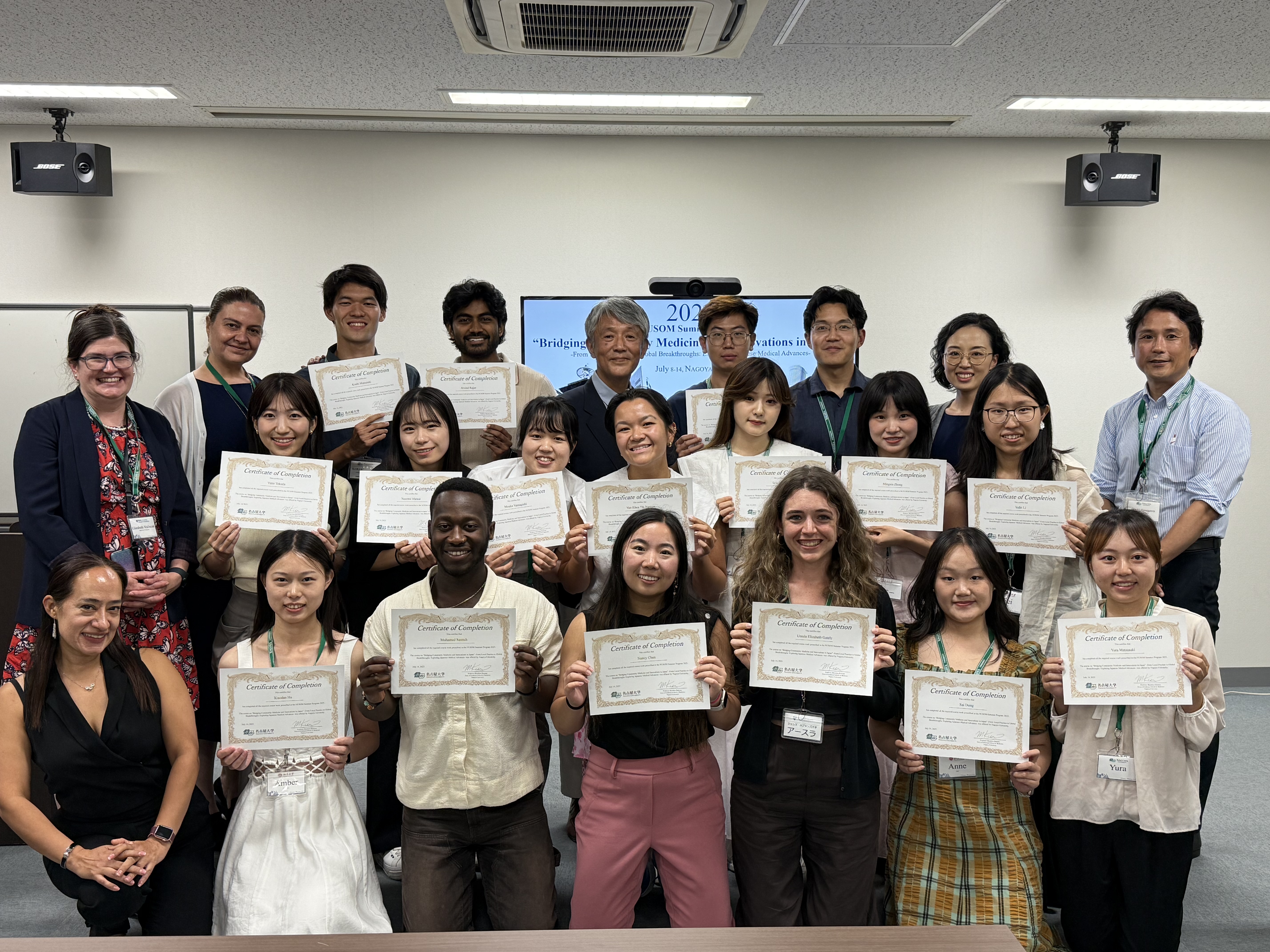
From July 8 to July 14, 2025, Nagoya University School of Medicine hosted an international summer program as part of its global medical education initiatives. The program welcomed 11 students from four partner institutions--Duke University, the University of North Carolina at Chapel Hill (UNC), Johns Hopkins University, and Peking University--along with 6 students from Nagoya University. Under the theme "Bridging Community Medicine and Innovations in Japan", participants gained firsthand exposure to Japan's community-based healthcare systems and emerging medical innovations. In addition to lectures and fieldwork, the program included guided laboratory and hospital visits at Nagoya University, allowing participants to explore ongoing research and advanced clinical practice across a wide range of medical fields.
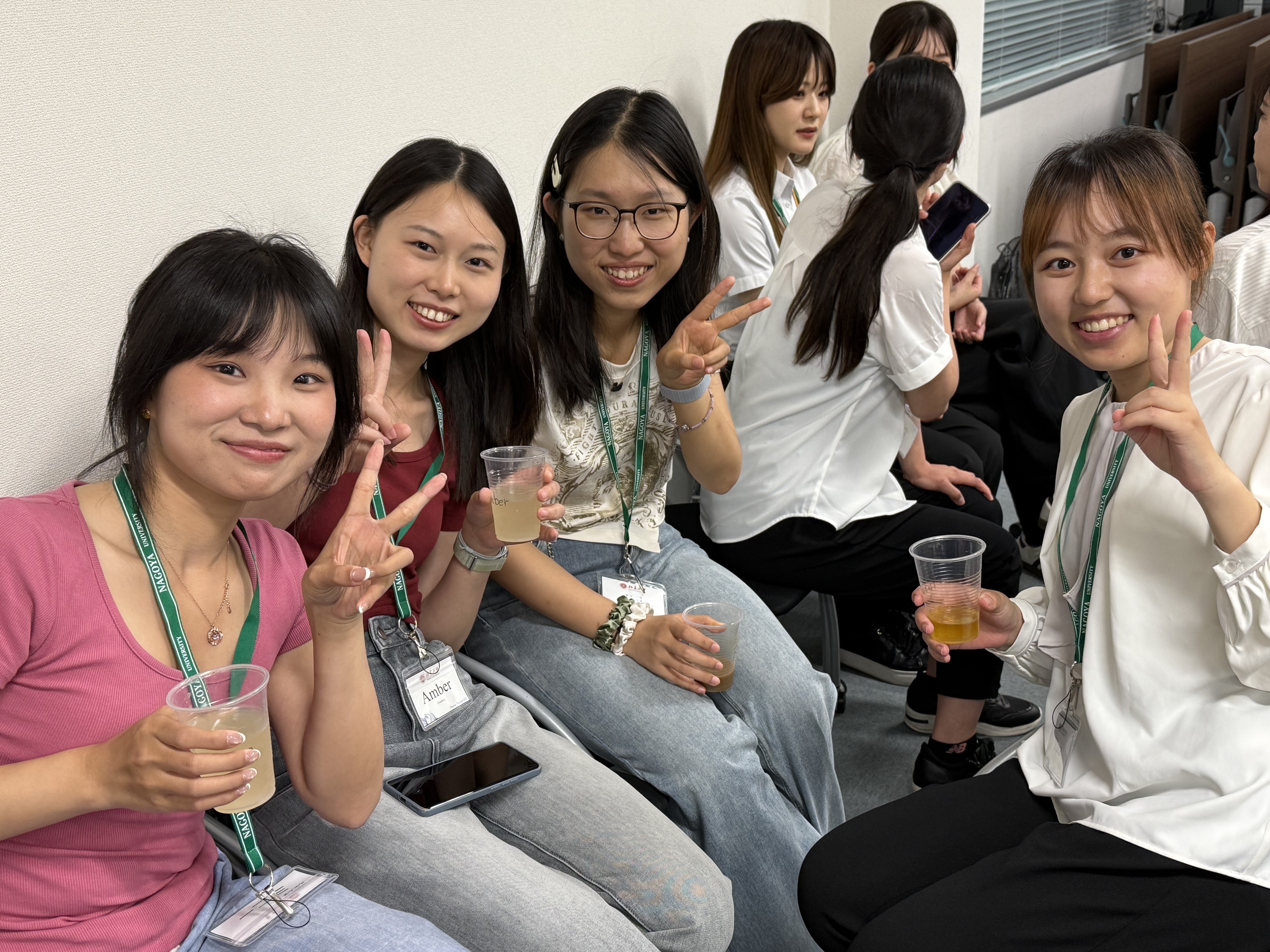
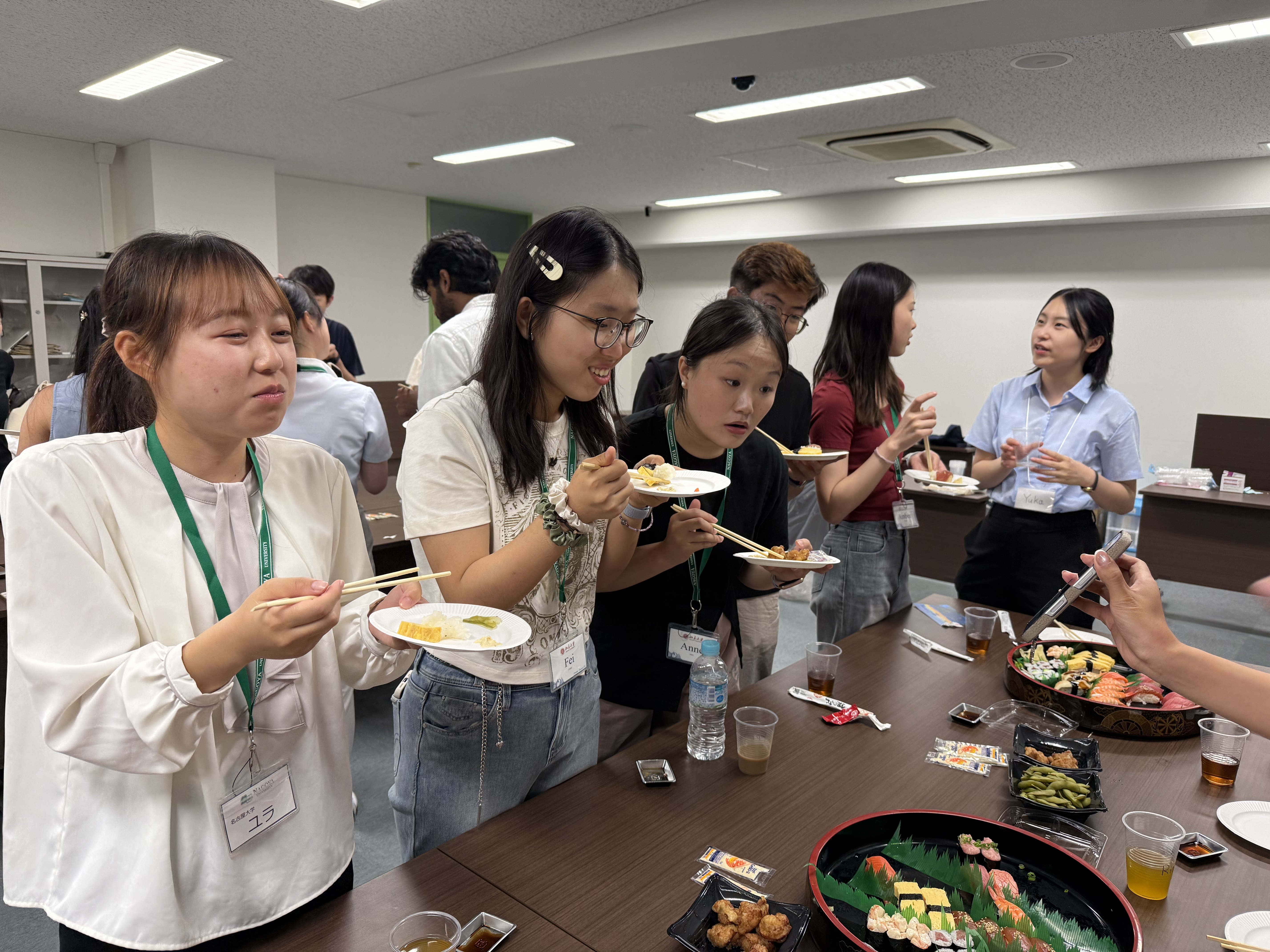
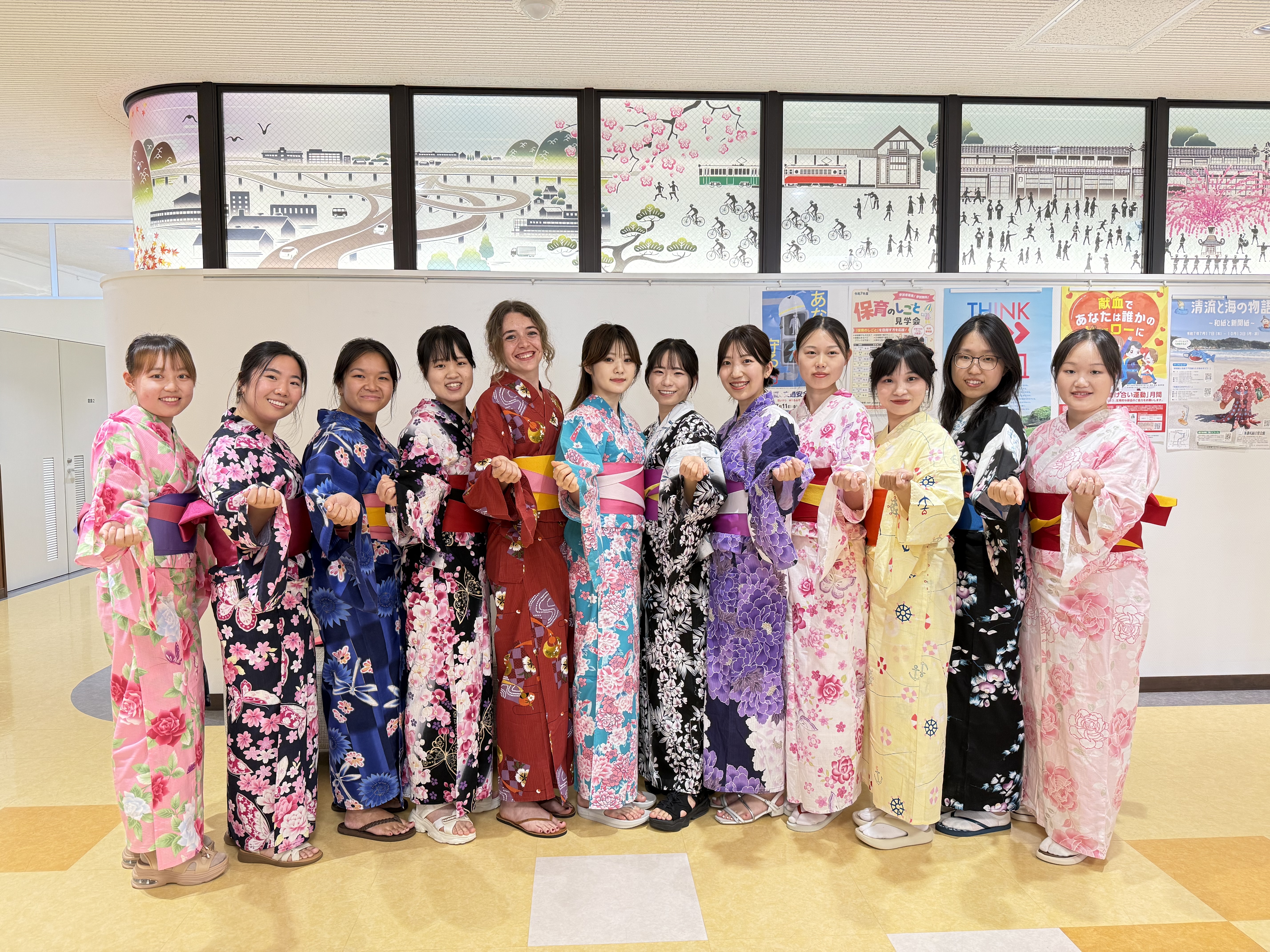
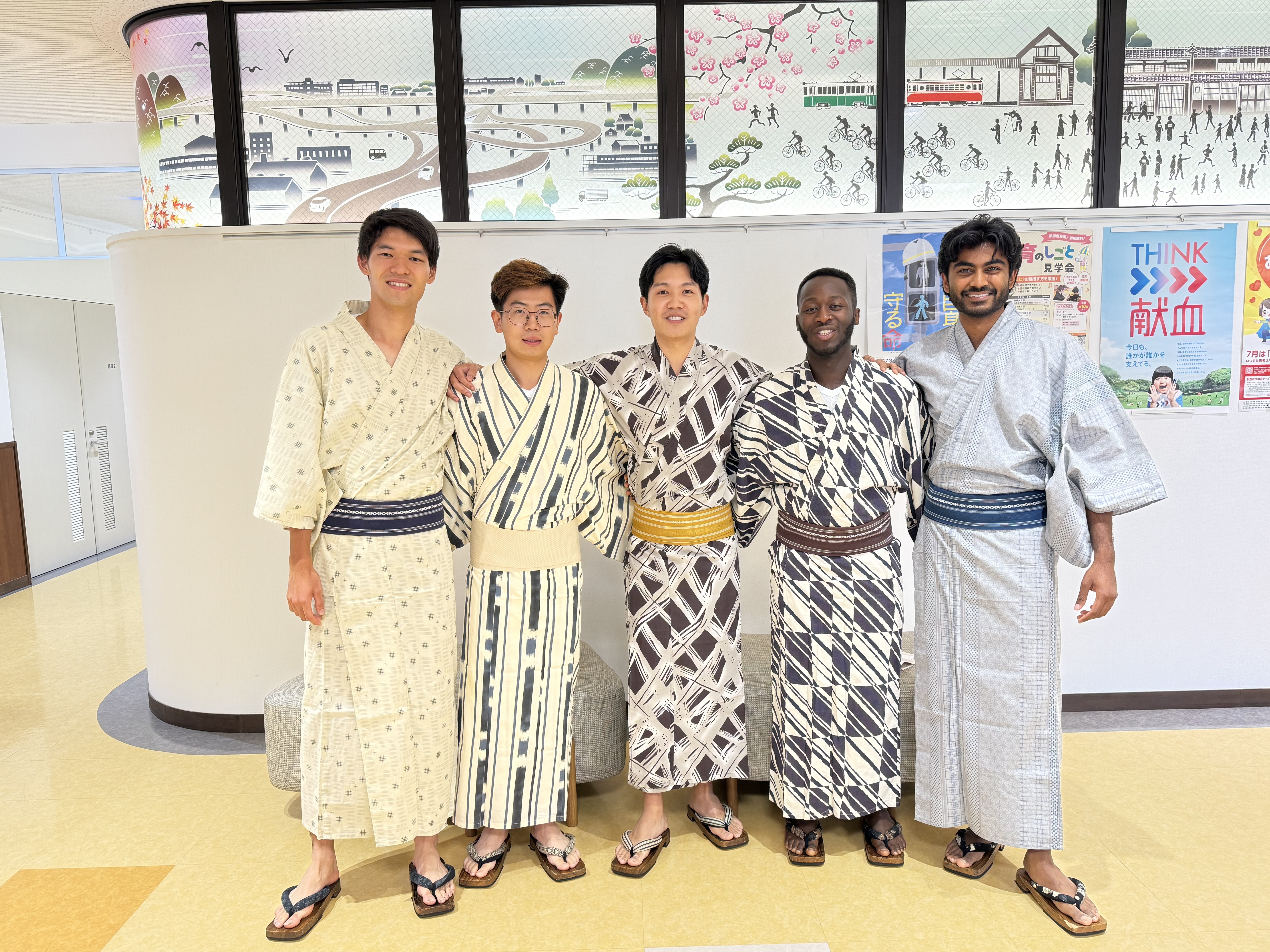
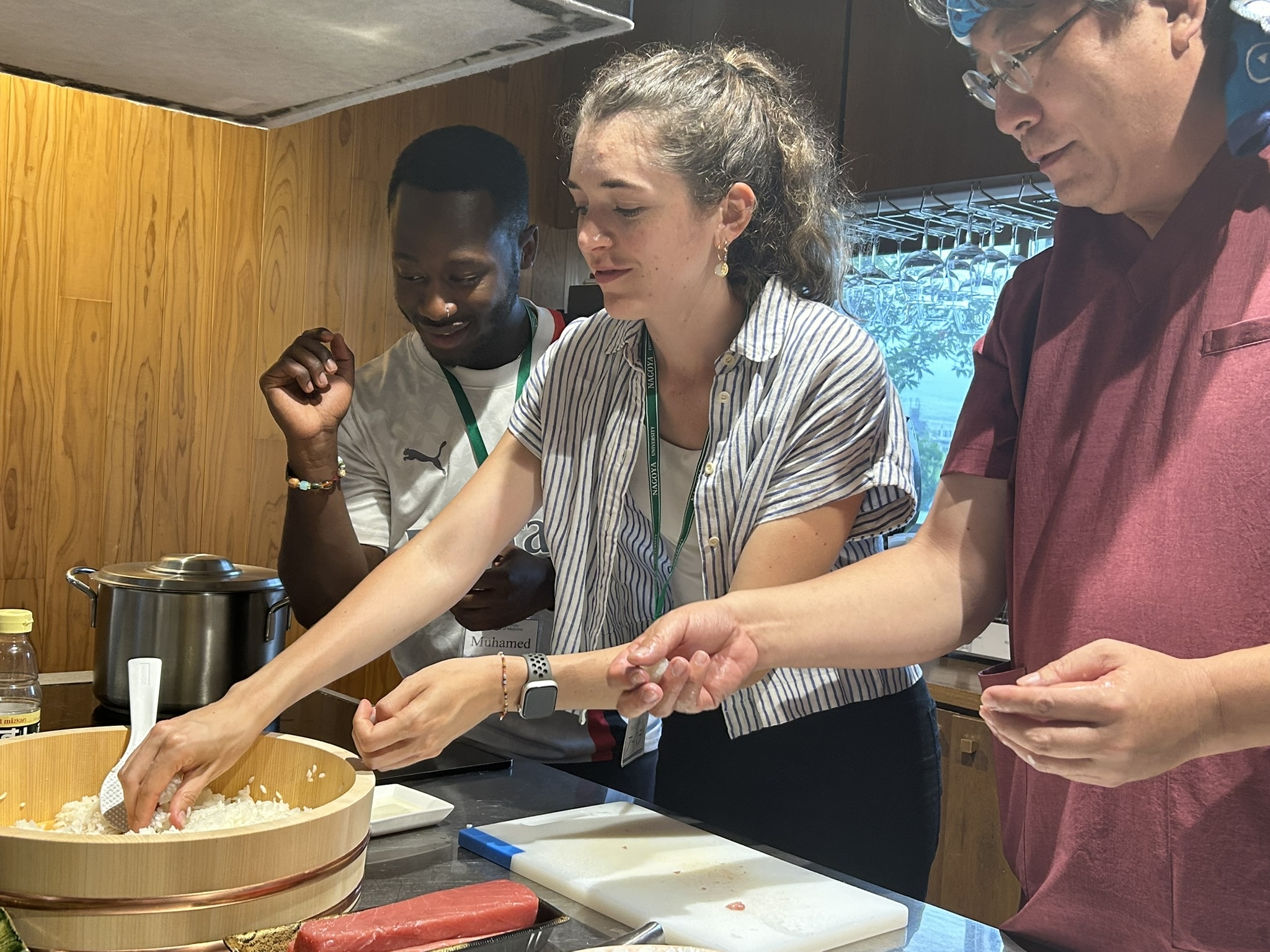
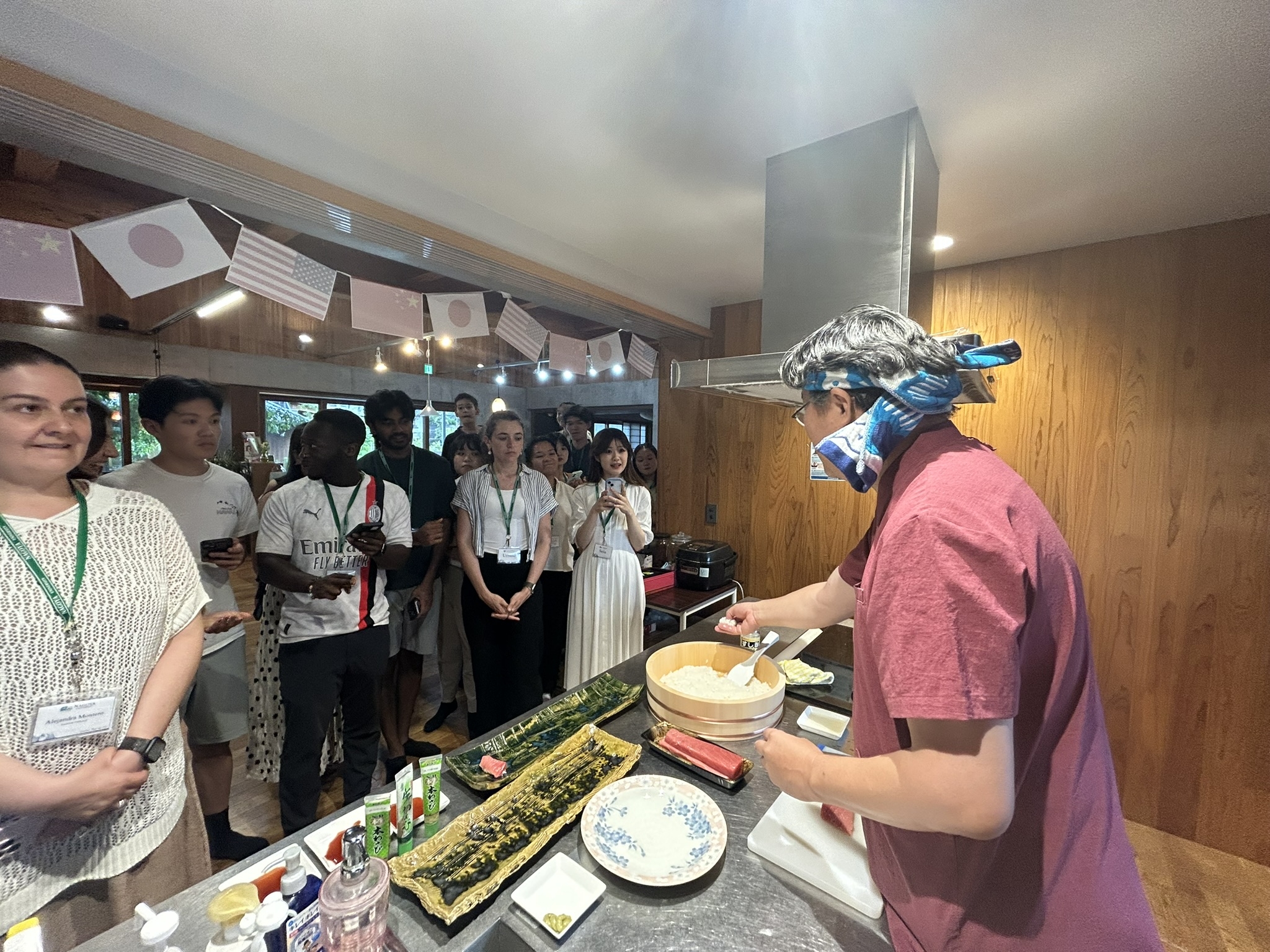
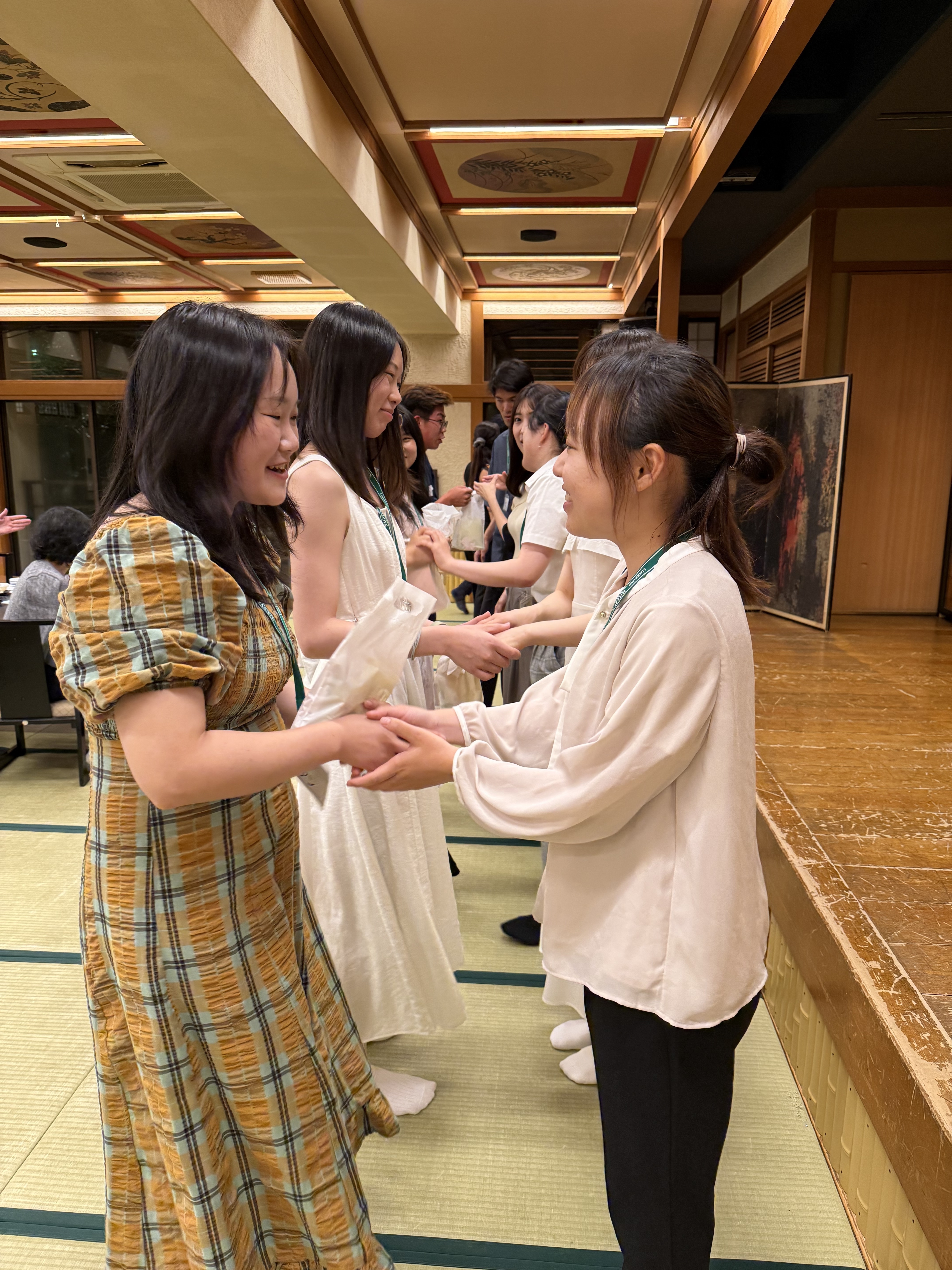
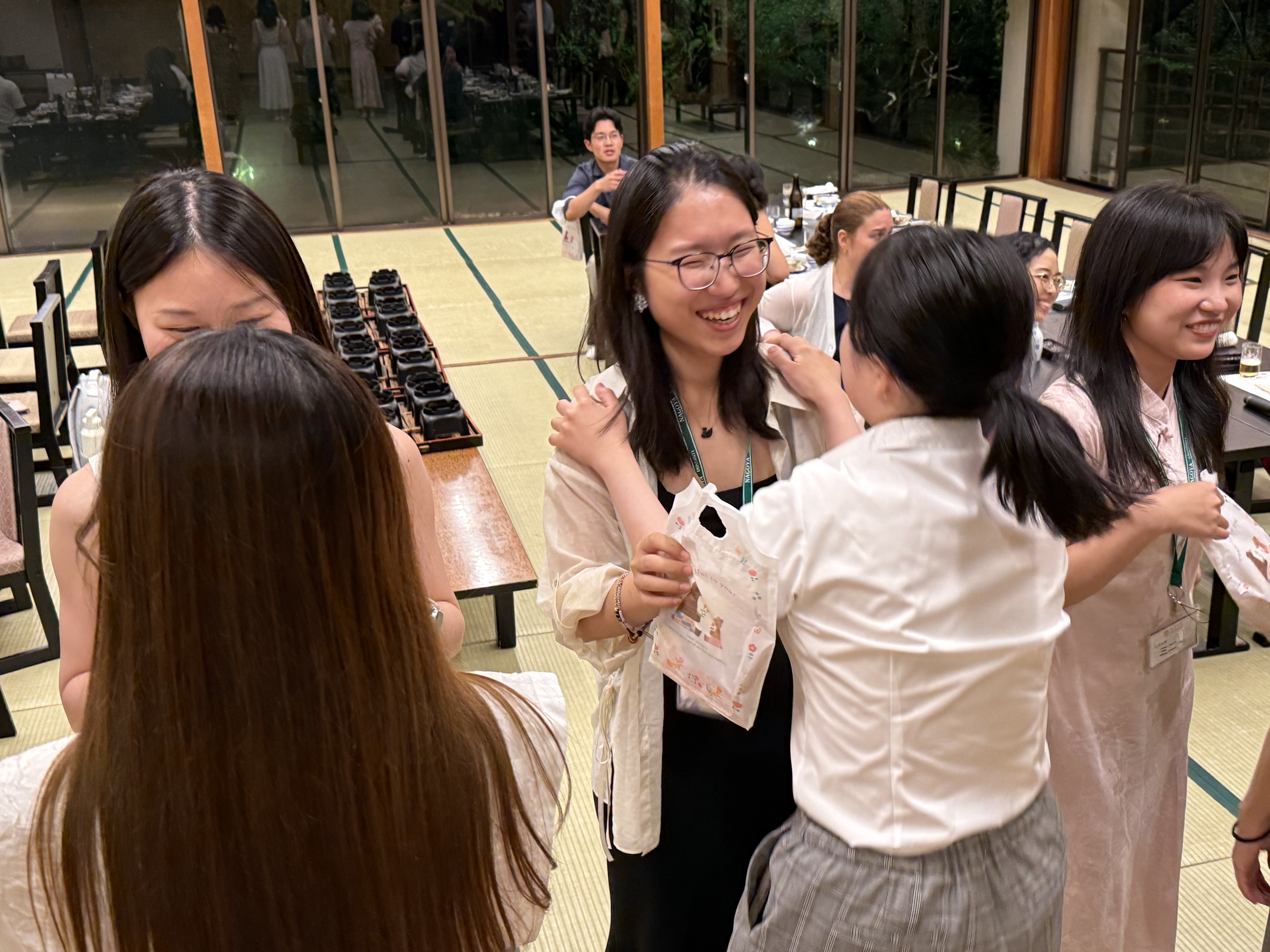
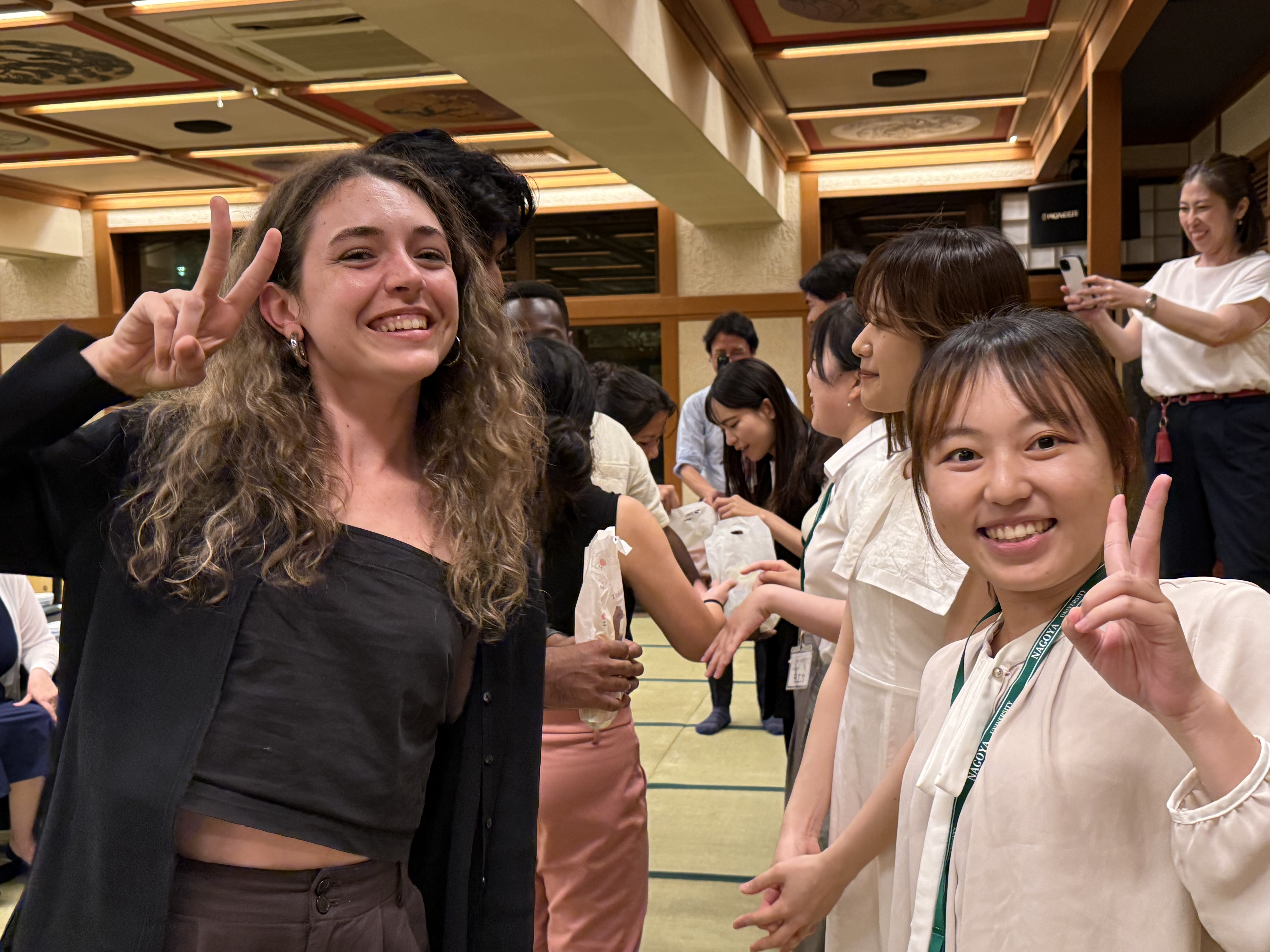
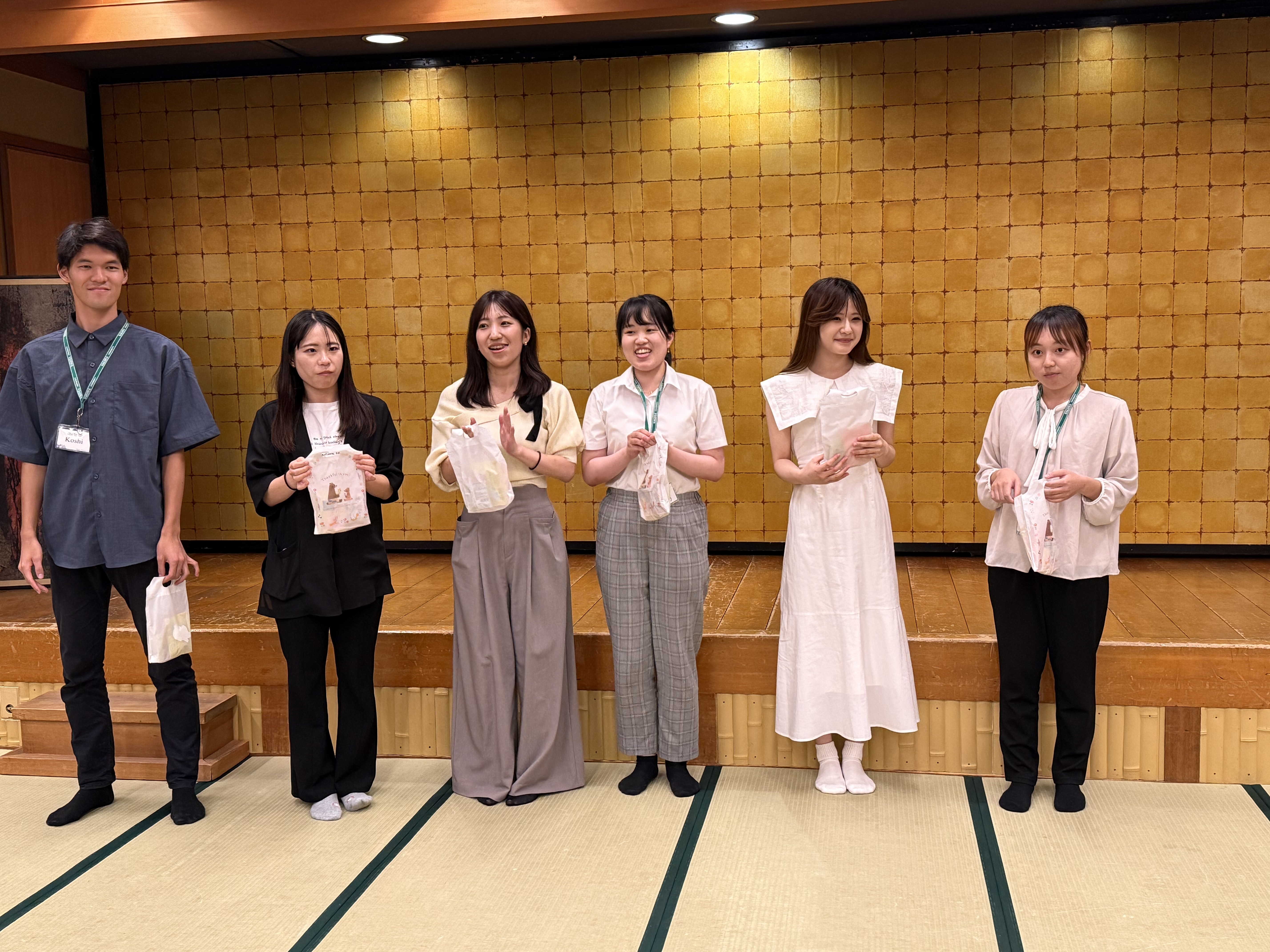
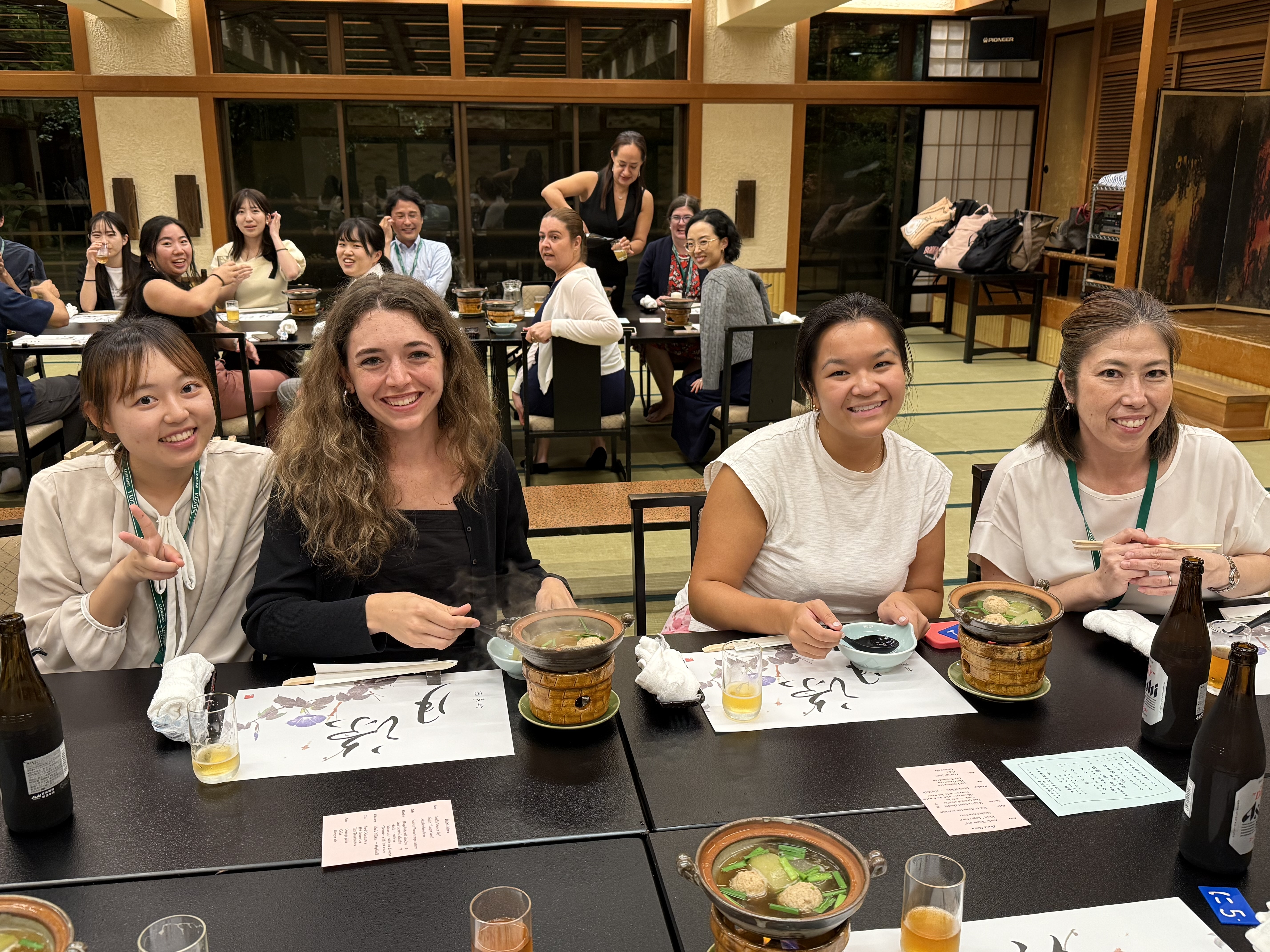
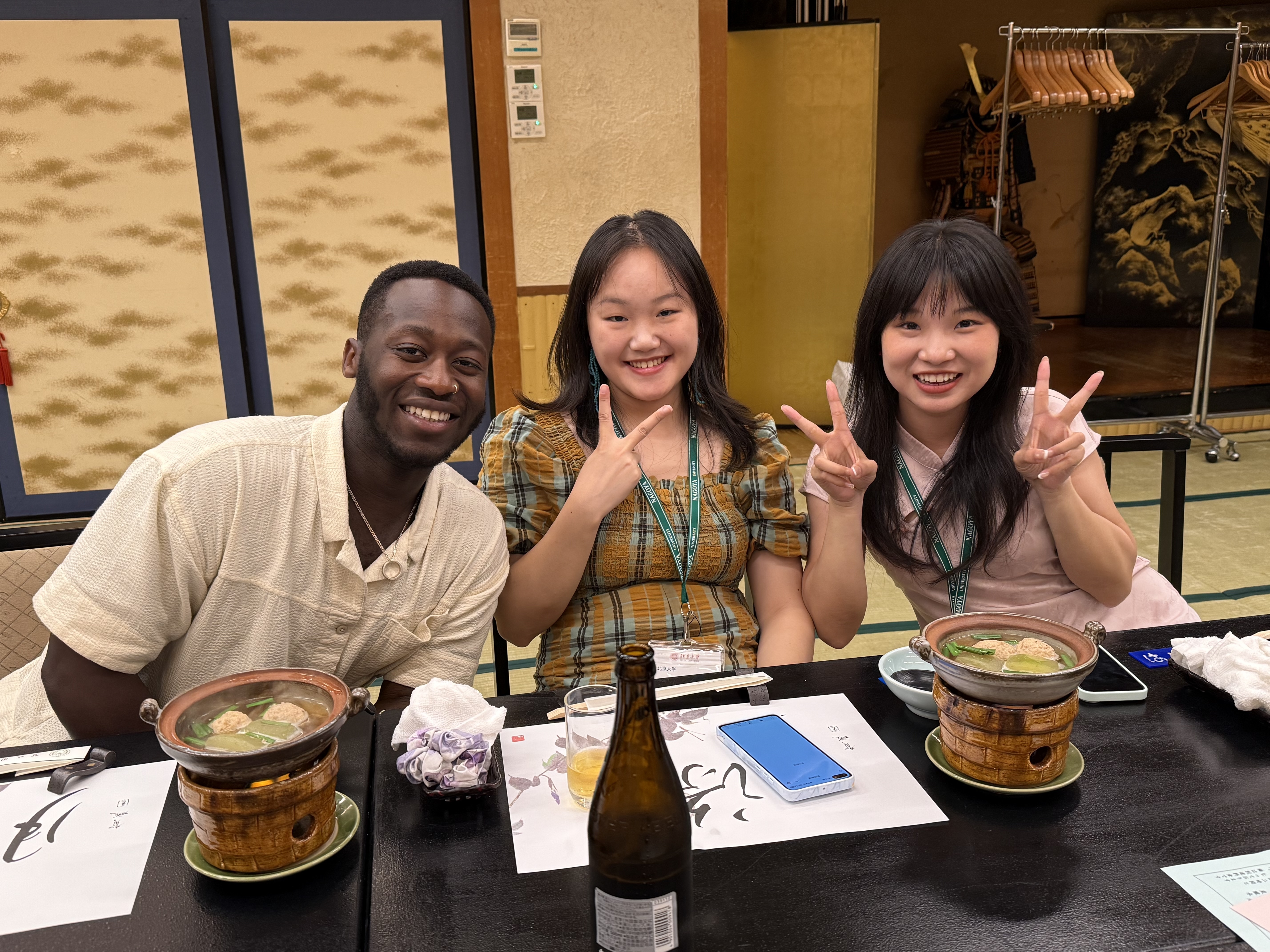
Through the program, students compared healthcare systems and medical education across countries, examined shared and country-specific challenges in aging societies, and deepened mutual understanding through sustained academic and cultural exchange. The program also incorporated opportunities to experience Japanese traditions, local culture, and history, making it a highly immersive and enriching experience.
The program was further enriched by the participation of distinguished guest speakers, including Dr. Elizabeth B. Malinzak from Duke University School of Medicine and Prof. Hiroyuki Umegaki from Nagoya University.
Dr. Malinzak delivered a special lecture on pediatric home healthcare, drawing from her clinical experience as a pediatric anesthesiologist. Her talk highlighted the unique challenges and rewards of caring for children in home-based settings and emphasized the importance of empathy, communication, and family-centered care. We were honored by her participation and sincerely appreciated the opportunity to learn from her compassionate and insightful perspective.
Prof. Umegaki, Professor and Chair of the Department of Geriatrics at Nagoya University School of Medicine, offered an in-depth perspective on Japan's rapidly aging society. His lecture emphasized the integration of community medicine with advanced geriatric research and interdisciplinary collaboration, highlighting practical strategies for managing frailty, dementia, and end-of-life care. Professor Umegaki's contribution underscored the importance of innovation, evidence-based practice, and cross-sector collaboration in addressing the complex healthcare needs of aging populations.
Together, these guest lectures provided participants with diverse perspectives, inspiration, and practical knowledge, strongly reinforcing the program's overarching theme of Bridging Community Medicine and Innovations in Japan.
Exploring Academic Research: Laboratory Visits at Nagoya University
As part of the academic component of the program, participants took part in guided visits to research laboratories and clinical facilities within Nagoya University School of Medicine and Nagoya University Hospital. These visits provided an invaluable opportunity to observe Japan's academic medical environment and to understand how scientific research, education, and clinical practice are closely integrated.
Faculty members introduced their current research themes, clinical innovations, and educational approaches, and engaged students in discussion on topics ranging from community-based care and geriatric medicine to digital health, XR-based medical training, and interdisciplinary clinical collaboration. Through these exchanges, students gained a deeper appreciation of the role of academic research in advancing patient care and medical education.
This experience highlighted the importance of interdisciplinary collaboration and international perspectives in addressing complex healthcare challenges, particularly in aging societies.
Learning About Community Medicine and Medical Innovations
To explore community-based healthcare in practice, participants traveled to Gifu Prefecture to visit the Kagayaki Comprehensive Home Healthcare Clinic, founded by Dr. Ryoichi Ichihashi. The clinic provides 24/7 home-based medical care rooted in close collaboration with local communities and interdisciplinary healthcare teams.
Students accompanied physicians and healthcare professionals during home visits, experiencing firsthand the practice of home healthcare in Japan. Through observation and discussion, participants learned about family medicine, end-of-life care, dementia support, and interprofessional collaboration, while also developing practical communication skills with patients and their families.
The fieldwork program also included:
-
Clinical observation and discussion at Kagayaki Clinic branches in Gifu and Mino City
-
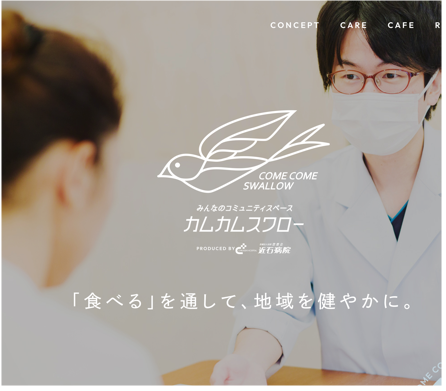
A visit to Cam Cam Swallow, a community café and nutrition support facility providing dysphagia-friendly meals
-
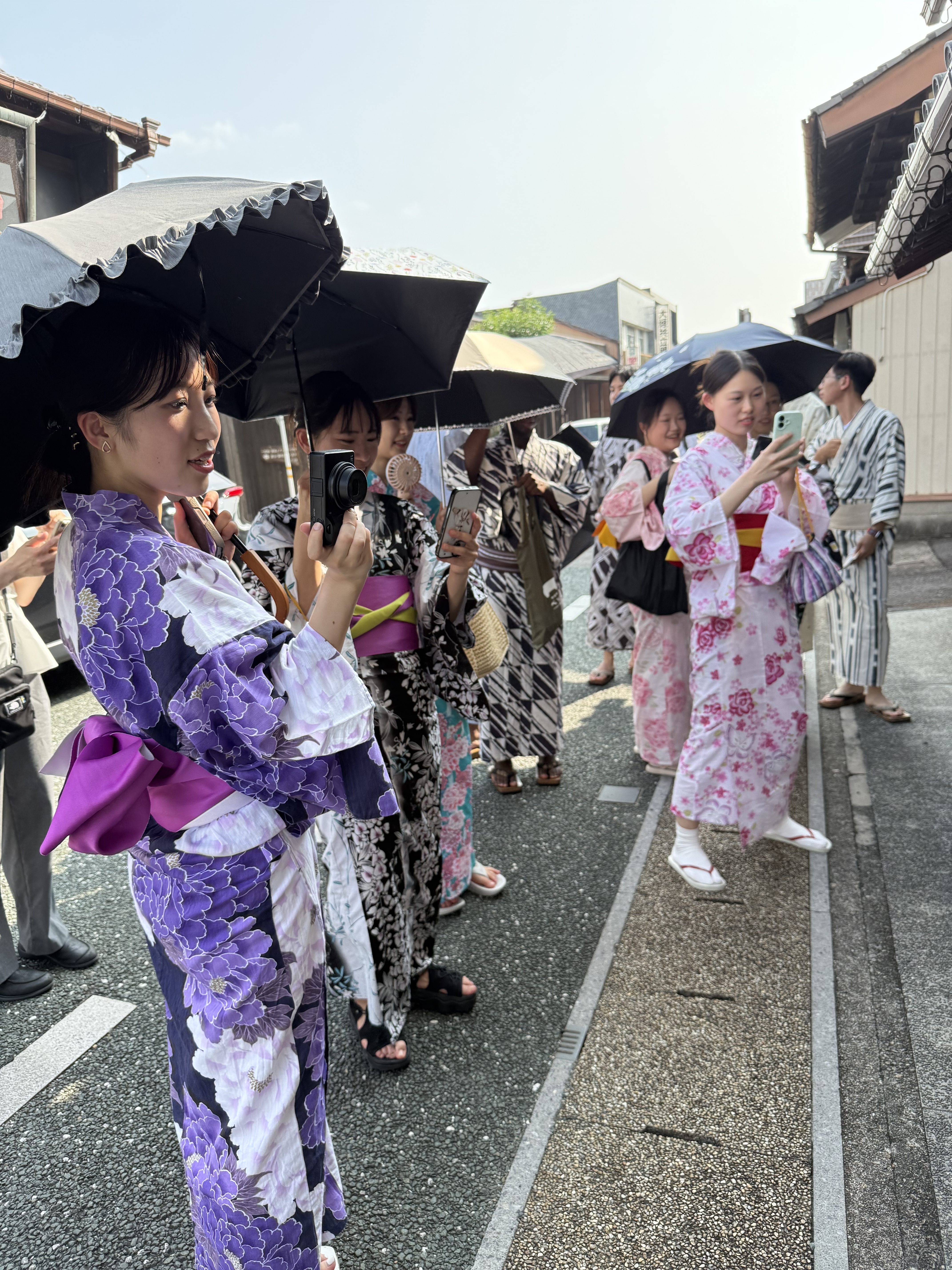
Cultural and reflective activities in Mino City, including art reflection sessions and traditional experiences
-
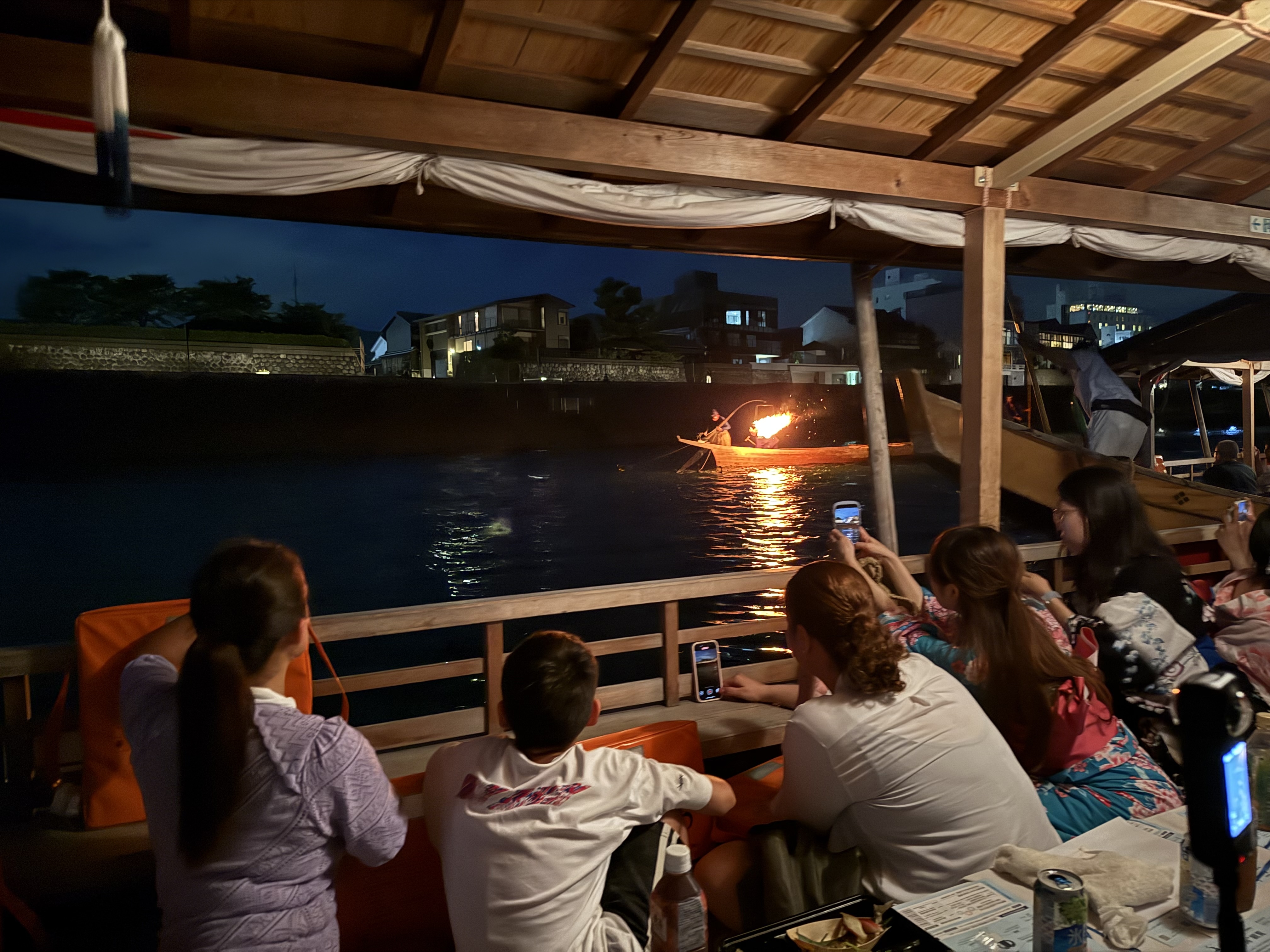
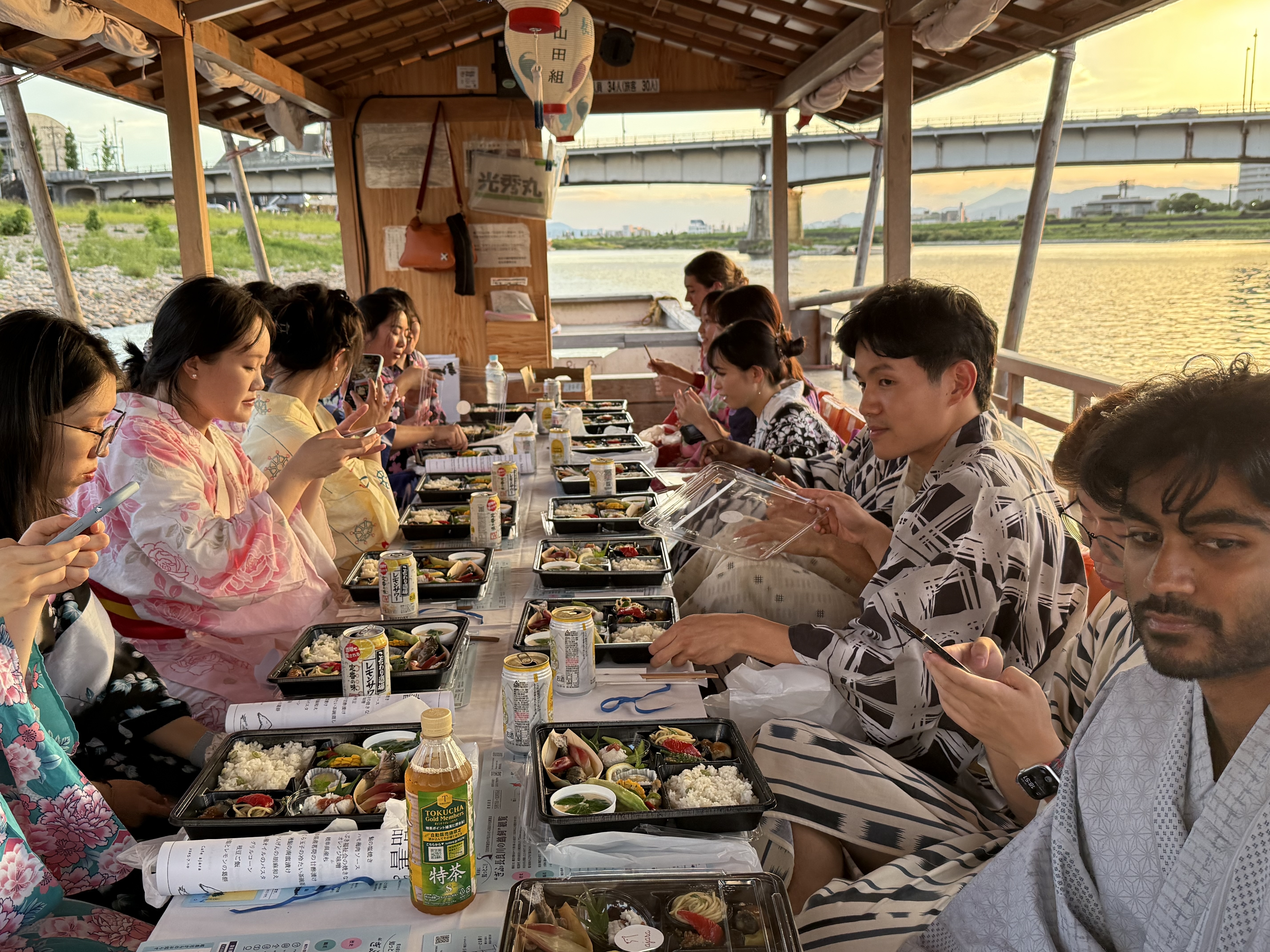
A traditional ukai (cormorant fishing) river cruise, offering insight into local culture and history
These experiences allowed participants to appreciate how medical care extends beyond hospitals into patients' daily lives and communities, emphasizing dignity, continuity, and quality of life.
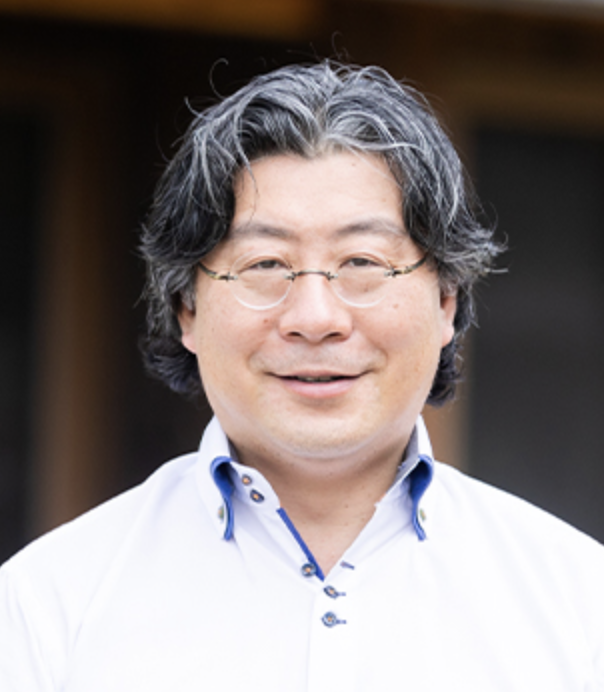
Dr. Ryoichi Ichihashi, founder of the Kagayaki Home Healthcare Clinic
Students accompanied physicians on home visits, experiencing firsthand the practice of home healthcare in Japan. This allowed them to appreciate the importance and role of family medicine and home visits while developing practical medical skills and communication techniques with patients. Participants also observed interprofessional collaboration in patient care, learning how healthcare teams work cohesively to support patients.
The program also included visits to facilities for children with disabilities, where students observed thoughtful facility designs, and a specialized café, Cam Cam Swallow, which provides meals tailored to individuals with swallowing disorders. Students gained insight into the importance of ensuring enjoyment and dignity in eating for people with special dietary needs.
Promoting International Medical Education
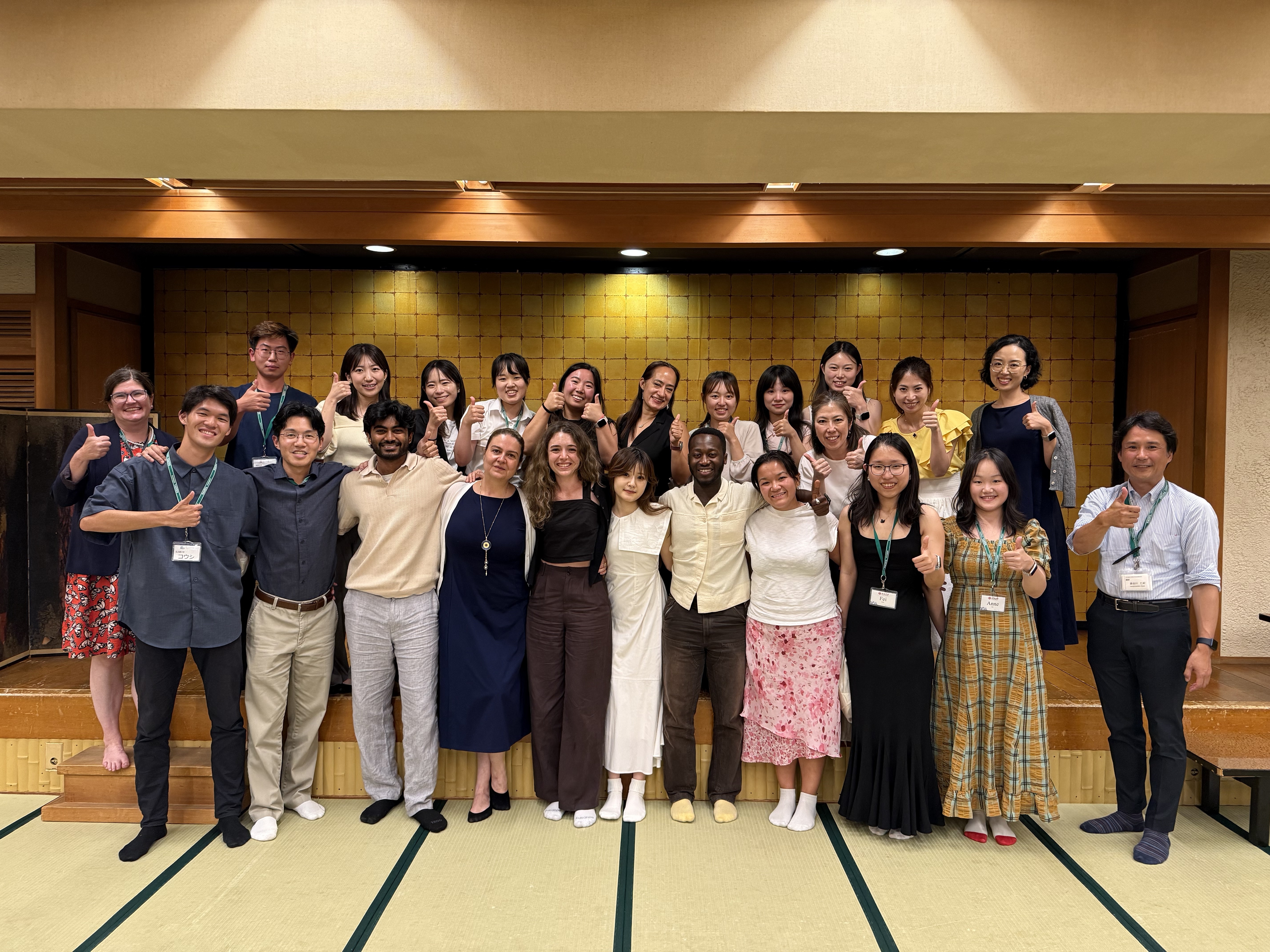
The program successfully cultivated global perspectives, intercultural understanding, and professional networks among participants, laying a strong foundation for future contributions to international medical practice. By combining community-based fieldwork, academic research exposure, and cultural immersion, the program demonstrated the value of experiential learning in global medical education.
Nagoya University School of Medicine remains committed to implementing and expanding such international programs to nurture the next generation of globally minded healthcare professionals. By fostering practical skills, broad perspectives, and deep cultural understanding, the university aims to contribute to innovation and international cooperation in medicine. We extend our sincere gratitude to all faculty members, partner institutions, and community collaborators who made this program possible.
Educational Exchange and Reflection
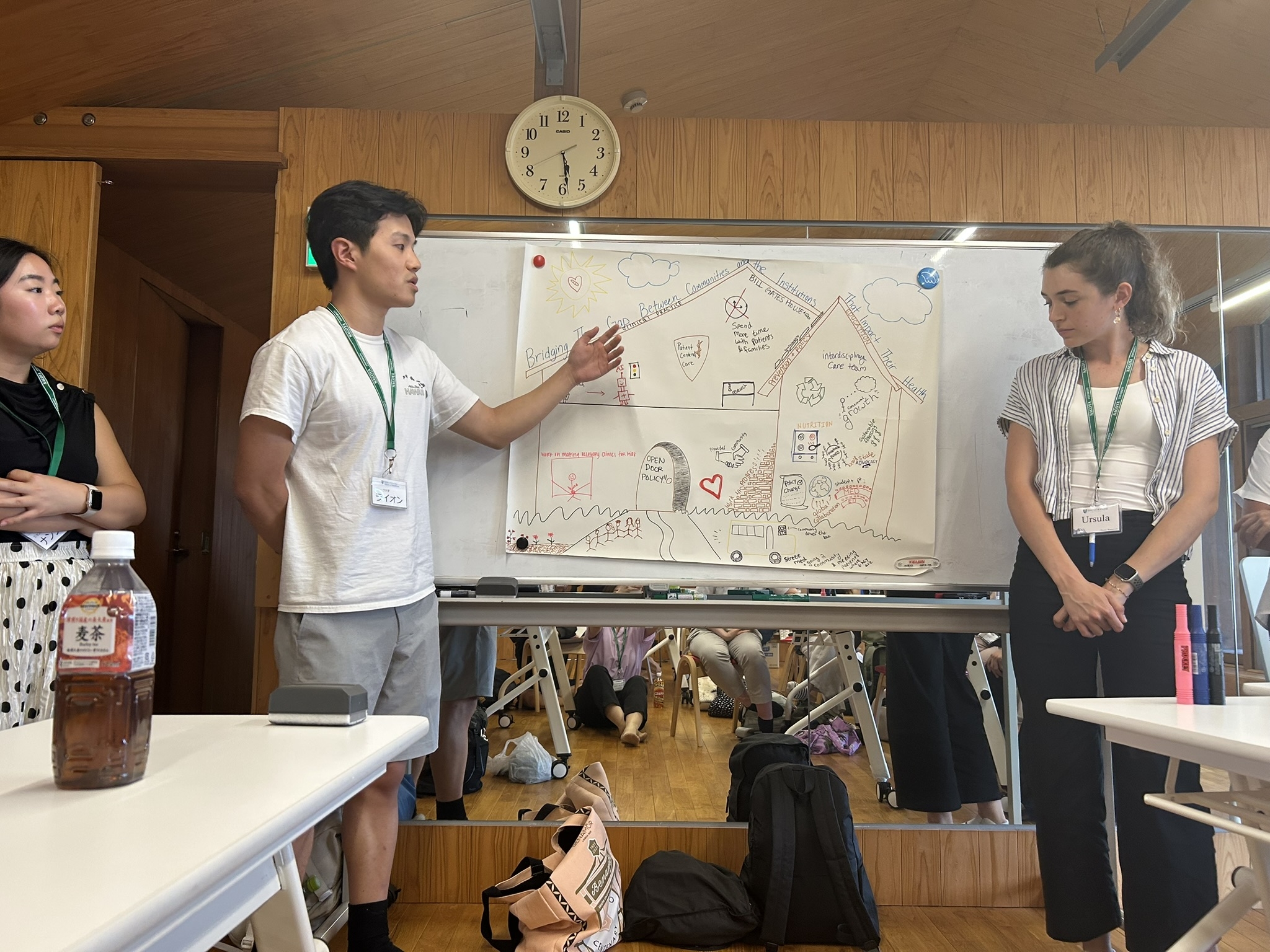
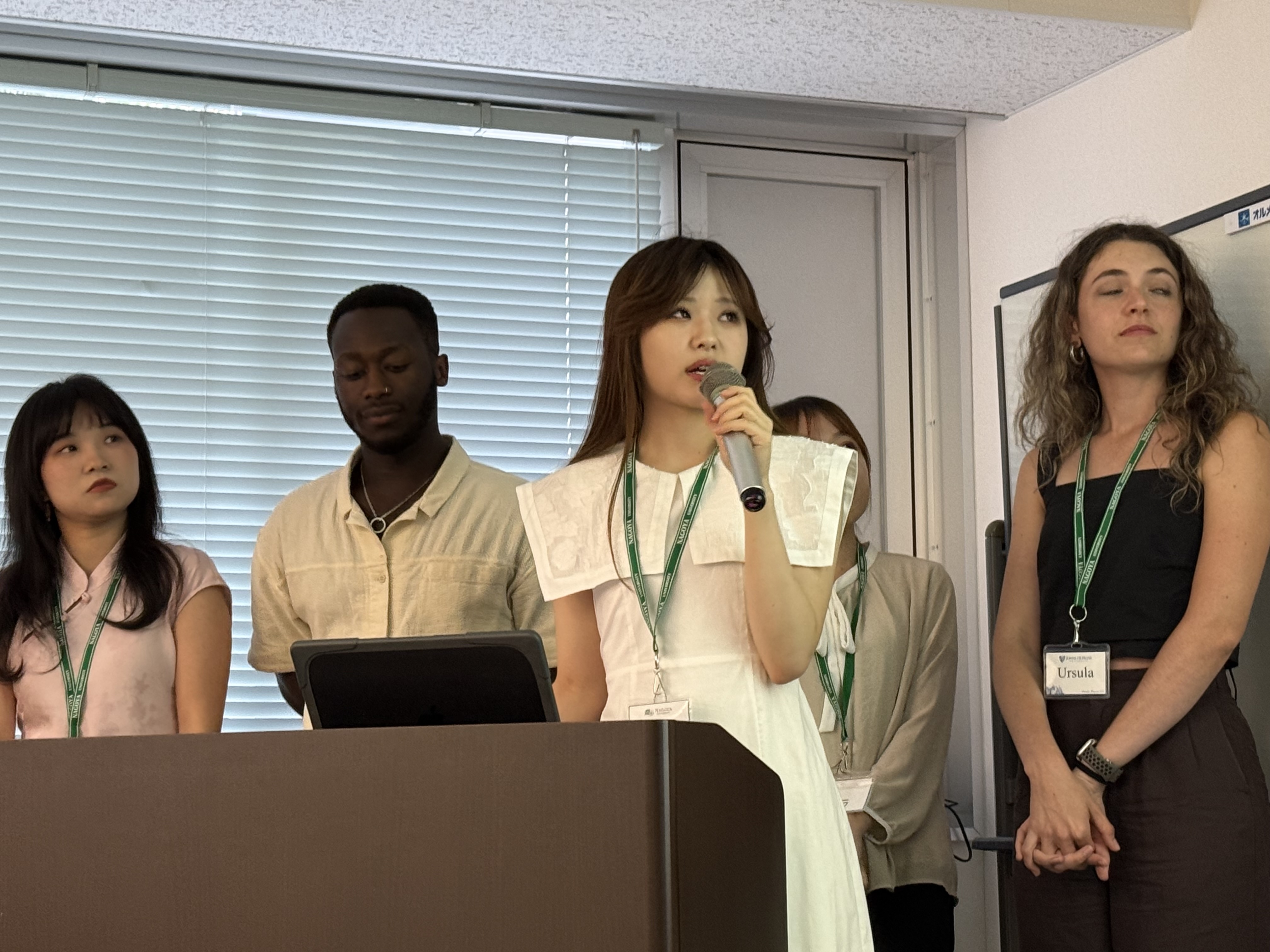
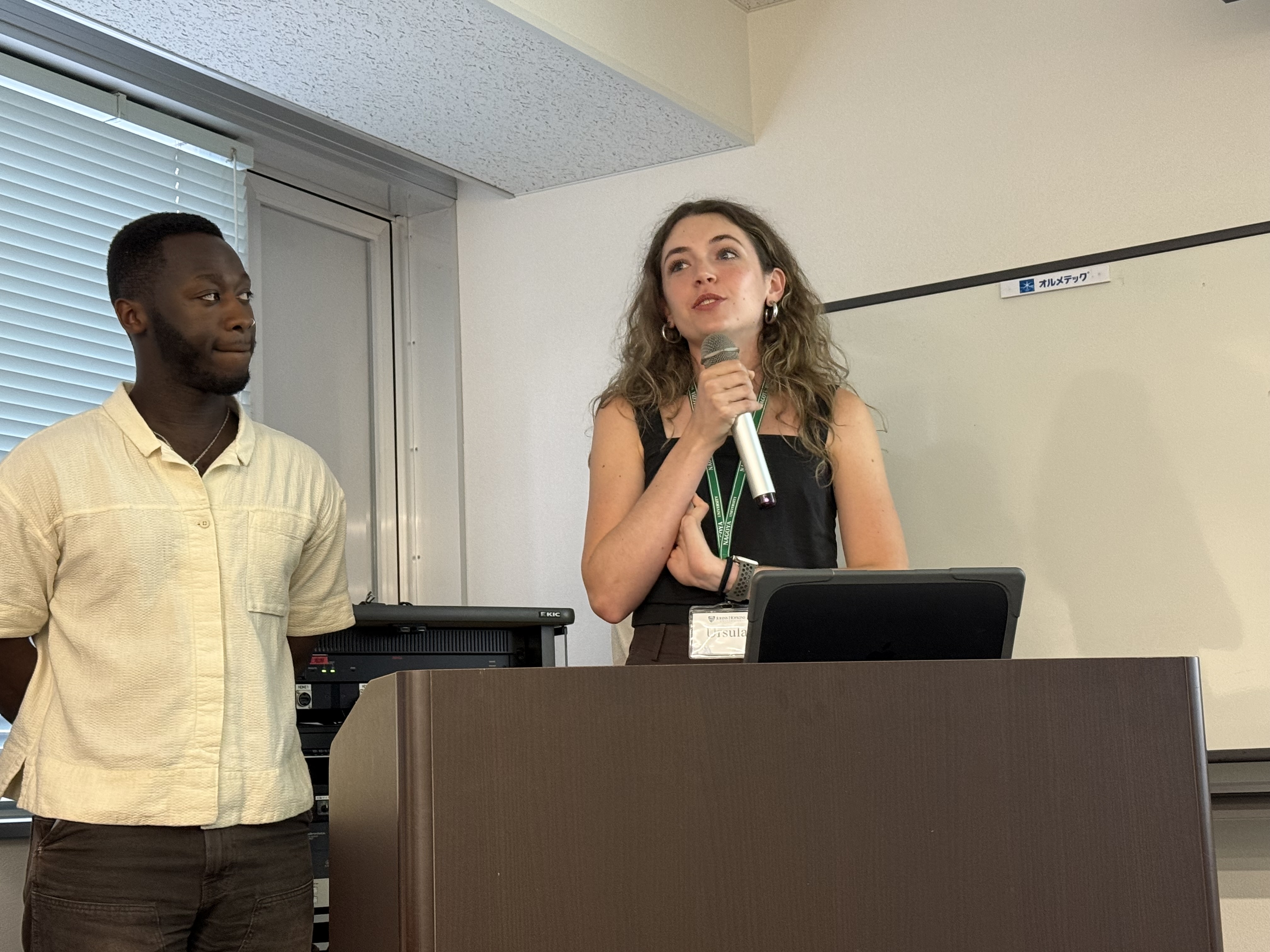
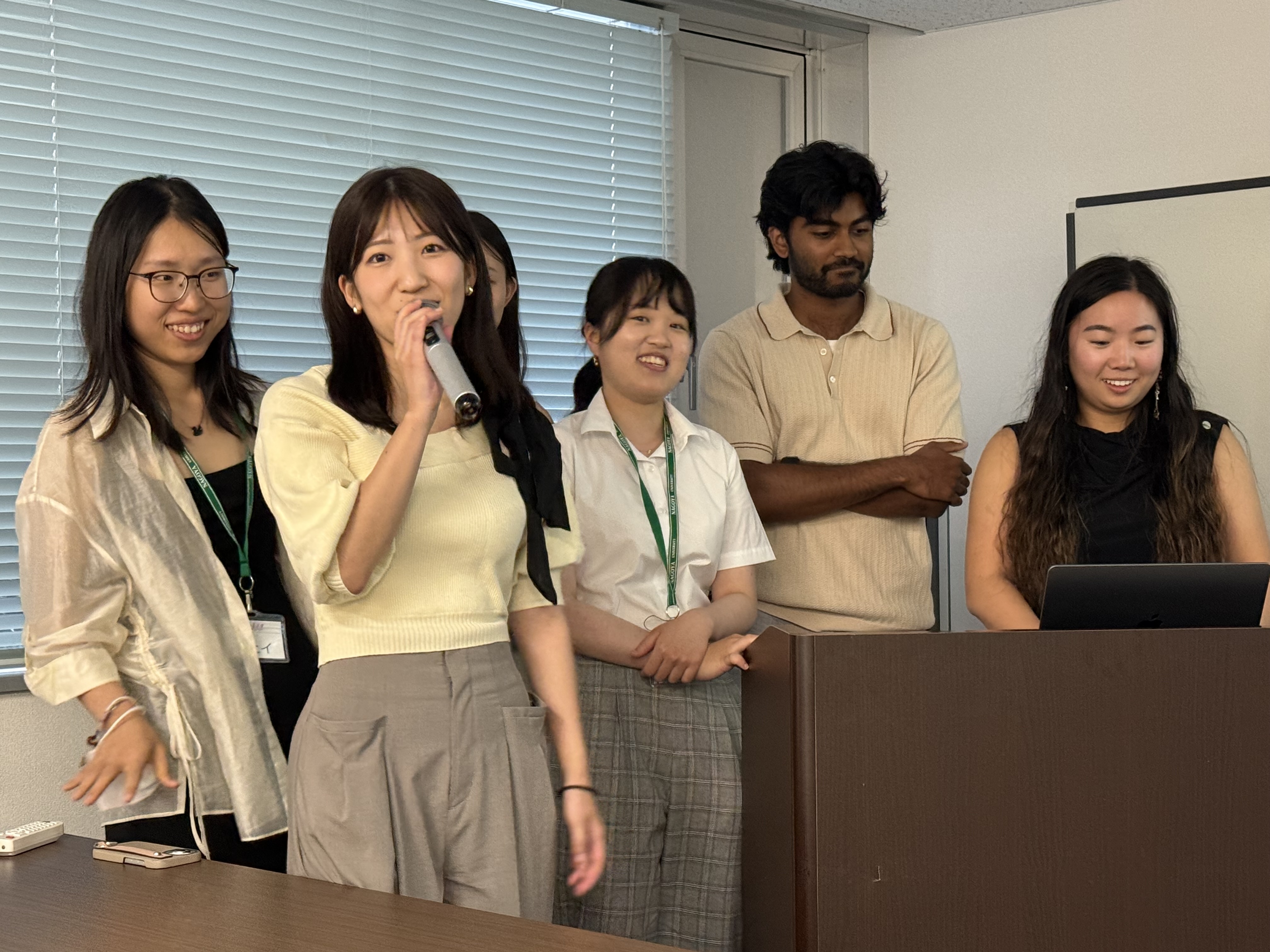
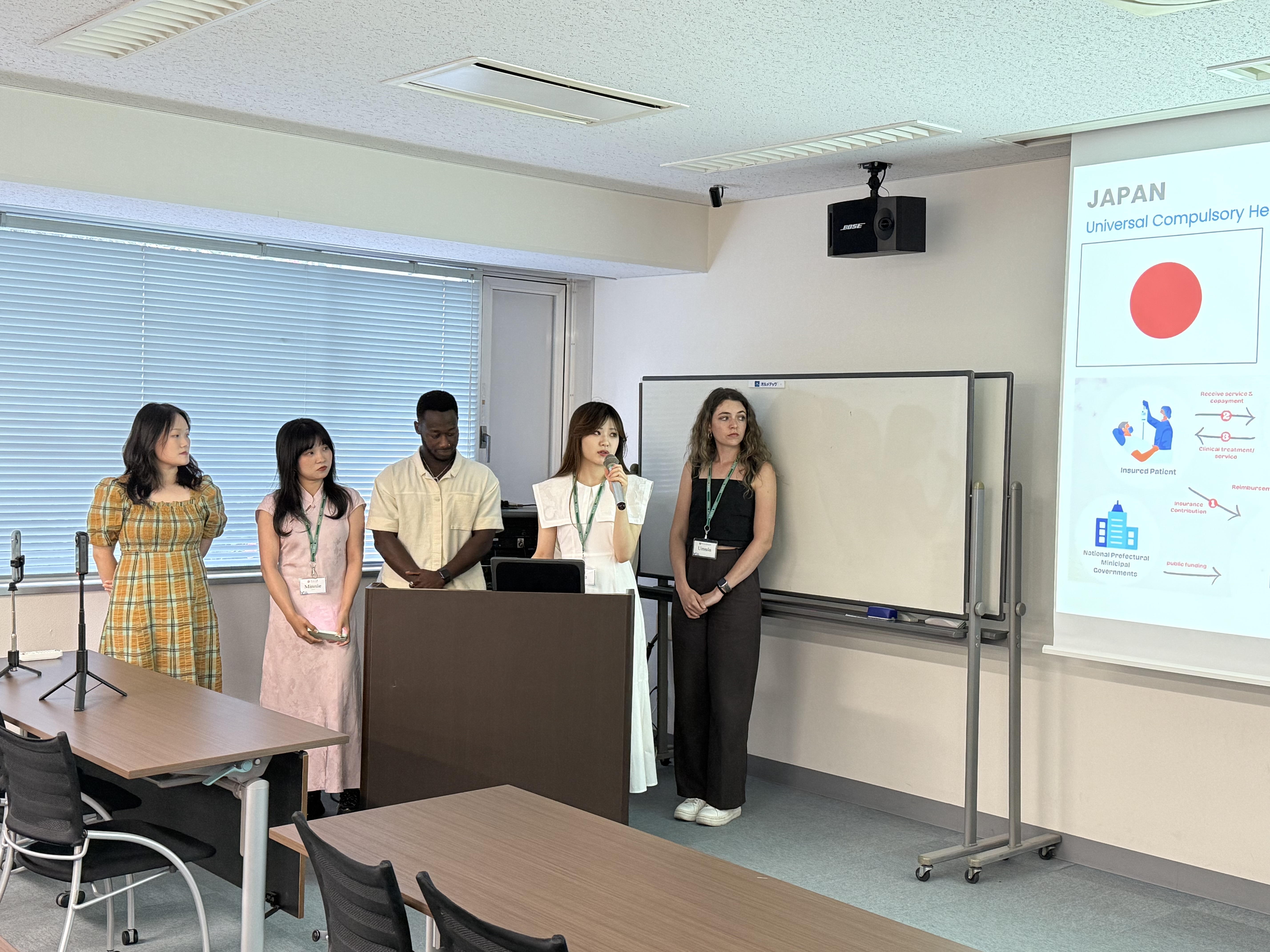
Educational highlights included lectures on medical ethics, traditional Japanese Kampo medicine, XR-based clinical simulation, and geriatric care, as well as interactive discussions led by faculty from Nagoya University. The program concluded with group presentations, in which students reflected on their experiences and presented their visions for the future of healthcare in their respective countries. These discussions offered valuable insight into how culture, policy, and innovation shape healthcare systems worldwide.
Special Guests
The program was privileged to feature distinguished guest speakers who contributed significantly to the depth and impact of the learning experience.
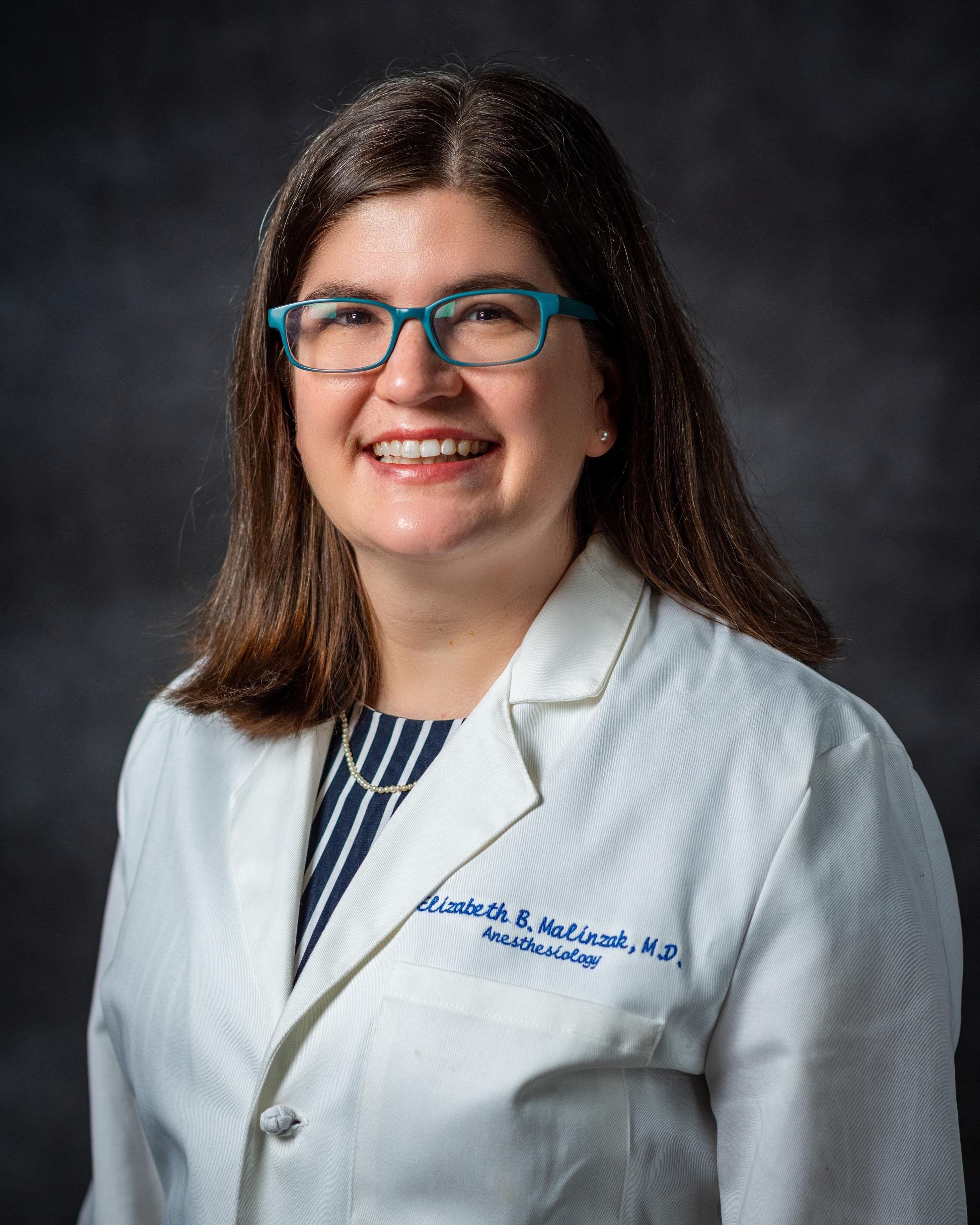
Elizabeth Malinzak, MD
Associate Dean for Student Affairs, Duke University School of Medicine
Dr. Elizabeth Malinzak is a pediatric anesthesiologist and Associate Professor at Duke University School of Medicine. After earning her medical degree from Duke, she completed her anesthesiology residency there, followed by a pediatric anesthesiology fellowship at UNC. She is a nationally recognized advocate for gender equity and wellbeing in medicine, and actively contributes to medical education through leadership roles in several major organizations, including the American Society of Anesthesiologists and Women in Anesthesiology. Her current research focuses on confidence gaps in board certification, and she was honored with the 2023 Distinguished Educator in Anesthesiology Award.
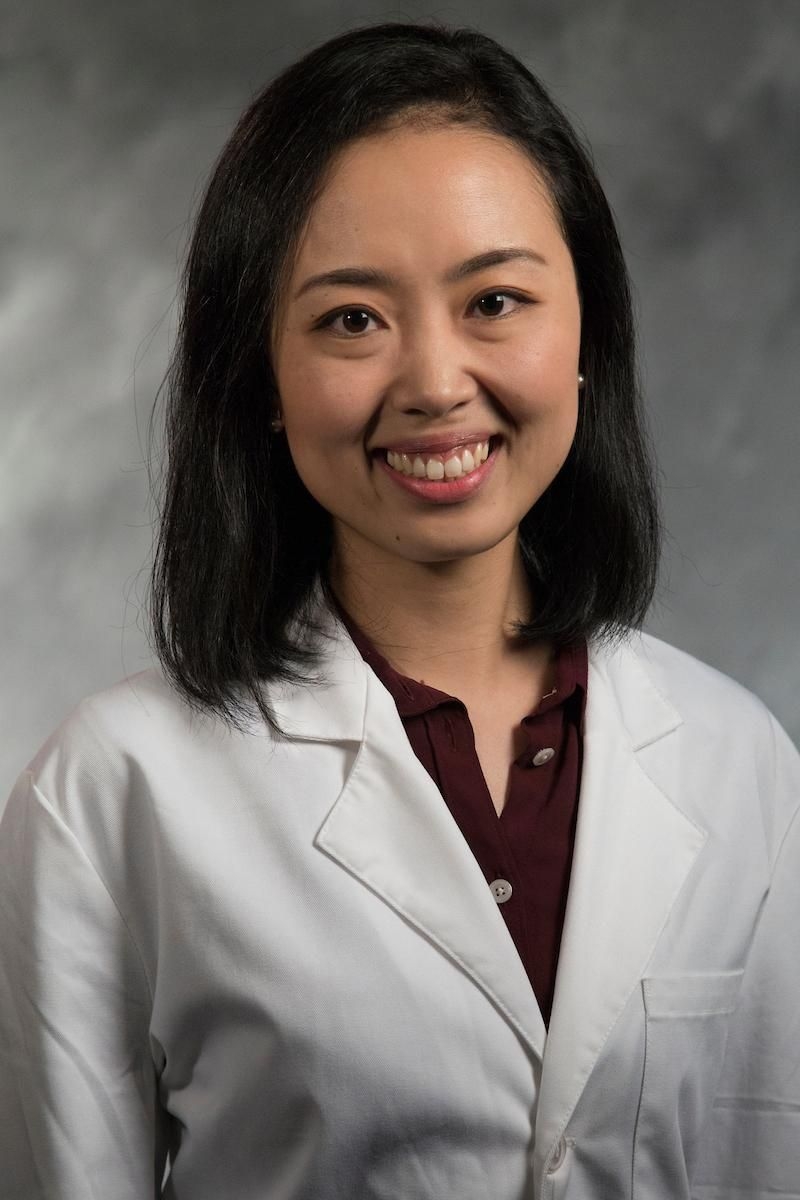
Dr. Esther Jeong (MD, MPH)
Dr. Jeong is a U.S. board-certified pediatrician and former Assistant Professor of Pediatrics at Duke University. She currently serves in Nagoya, Japan, as a pediatric medical consultant and missionary with Mission to the World (MTW). Her work integrates clinical care, teaching, and cross-cultural ministry. Dr. Jeong trained in Social Pediatrics at the Children's Hospital at Montefiore and holds an MPH from Thomas Jefferson University. Her areas of interest include community health, health equity, and the social determinants of pediatric care.
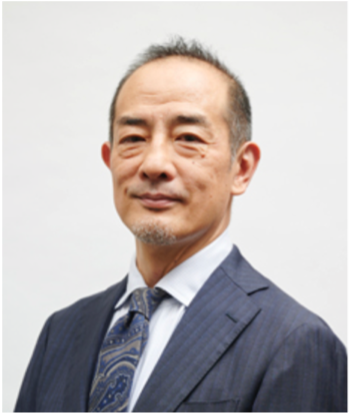
Dr Hiroyuki Umegaki (Nagoya University)
A leading expert in geriatrics at Nagoya University School of Medicine, Professor Umegaki shared his extensive knowledge on aging populations and the challenges posed by Japan's rapidly aging society. His lecture focused on the integration of community medicine with cutting-edge research in geriatrics, providing participants with practical insights into the complexities of managing healthcare for elderly patients. Professor Umegaki's contributions underscored the importance of interdisciplinary collaboration and innovation in addressing the needs of aging populations.
Dr. Juichi Sato (Nagoya University)
Professor, Department of Oriental Medicine, Nagoya University School of Medicine
Dr. Juichi Sato is a leading expert in traditional Eastern medicine, specializing in Kampo (Japanese herbal medicine) and the philosophical and clinical concepts underlying it, such as "Ki" (Qi or vital energy). In his special lecture, he introduced the historical roots and modern integration of Kampo medicine within the Japanese healthcare system. He guided students in exploring how the concept of Ki influences diagnosis, treatment, and patient interaction in Kampo-based practice. His session offered a unique opportunity to reflect on holistic, patient-centered approaches that go beyond Western biomedical models.
Dr. Kazuto Ueda (Nagoya University)
Assistant Professor, Center for Maternal, Fetal, and Neonatal Medicine, Nagoya University Hospital
Dr. Kazuto Ueda is a pediatrician and neonatologist at Nagoya University Hospital, specializing in the care of critically ill newborns. With clinical expertise in neonatal medicine and a strong commitment to patient-centered care, Dr. Ueda delivered a lecture focused on medical ethics and decision-making in neonatal care as part of the 2025 summer program. His insights provided students with a deeper understanding of the challenges and considerations involved in caring for patients and their families.
Dr. Xiaocheng Hu (Nagoya University)
Lecturer in Traditional Chinese Medicine, Specialist in Acupuncture and Integrative Pain Management
Dr. Xiaocheng Hu is a practitioner and scholar of Traditional Chinese Medicine (TCM), with particular expertise in acupuncture and its clinical application in pain relief and holistic care. In his lecture, Dr. Hu emphasized the scientific basis, clinical efficacy, and cultural significance of acupuncture as part of integrative medicine. He guided students through the principles of meridians, acupoints, and energy flow, and provided insights into how acupuncture is used not only in China but also increasingly in global healthcare settings. His talk highlighted the importance of bridging traditional healing methods with modern evidence-based approaches.
Participants: Click to Read Their Stories
Duke University
University of North Carolina at Chapel Hill
Johns Hopkins University
Peking University
Nagoya University
The program was structured to accommodate a wide range of academic interests, and participants were able to engage not only in clinical and community-based experiences but also in research-focused activities through laboratory visits. These visits complemented the broader learning objectives and allowed students to explore potential areas of specialization.