
Department of Respiratory Medicine
KEYWORDS
- Respiratory Disease Mechanisms & Therapy
- Lung cancer
- pleural mesothelioma
- interstitial lung disease
- idiopathic pulmonary fibrosis (IPF)
- chronic obstructive pulmonary disease (COPD)
- pulmonary emphysema
- asthma
- bronchiectasis
- tuberculosis
- nontuberculous mycobacterial disease
- pneumonia
- respiratory infections
- acute respiratory distress syndrome (ARDS)
- chronic respiratory failure
- molecular targeted therapy
- immunotherapy
- precision medicine
- multi-omics analysis
- immune and microbiome profiling
- AI-based analysis
- bronchoscopic diagnostics and intervention
- EBUS-TBNA
- transbronchial cryobiopsy
- virtual bronchoscopy
- direct reprogramming
- lung regeneration
HEAD
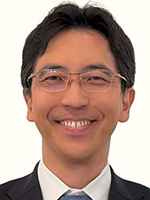
LAB MEMBER
| Faculty | Position | Researchers |
|---|---|---|
| SAKAMOTO Koji | Lecturer | Researchers |
| TANAKA Ichidai | Clinical Lecturer | Researchers |
| ANDO Akira | Clinical Lecturer | Researchers |
| HORI Kazumi | Assistant Professor | Researchers |
| ITO Takayasu | Assistant Professor | Researchers |
| MATSUZAWA Reiko | Assistant Professor | Researchers |
| KOYAMA Junji | Assistant Clinical Professor | Researchers |
| HAYAI Shunsaku | Assistant Clinical Professor | Researchers |
| MORI Yuta | Assistant Clinical Professor | Researchers |
CONTACT
| Contact Form | |
| HP | Private Page |
OUTLINE
The Department of Respiratory Medicine, Nagoya University Graduate School of Medicine (Nagoya University Hospital), was established in 2002 amid the reorganization of clinical care and educational systems following the university’s shift toward a graduate-school–focused structure. Under the leadership of the founding professor, Kaoru SHIMOKATA, the foundation of the department was laid. In 2006, it was formally designated the “Department of Respiratory Medicine,” and from 2007 to 2019, Yoshinori HASEGAWA led its growth and development. Since June 2022, under Professor Makoto ISHII, we have been advancing regionally rooted clinical care, education, and research, supported by a strong network of an alumni association with more than 500 members and over 40 affiliated hospitals.
Guided by our philosophy—“Pursue dreams through basic research and create new evidence through clinical research!”—we promote research with basic and clinical studies as two complementary driving forces. In addition to translational research that bridges basic science to clinical application, we place strong emphasis on reverse translational research, in which questions and findings arising from clinical practice are fed back into the next cycle of basic research. Through this approach, we are committed to creating medical advances that can truly be returned to patients.
Our major research areas include lung cancer, interstitial lung diseases, respiratory infections, and chronic airway diseases (asthma and COPD). Leveraging collaborations with our affiliated hospitals, we conduct multicenter clinical studies. Starting from clinical questions, we integrate omics analyses (e.g., genomics) based on clinical specimens with immunological and microbiological analyses, as well as AI-driven analytics. This accelerates bench-to-bedside research that spans from elucidating disease mechanisms to improving diagnosis, prognostic prediction, biomarker discovery, and the development of novel therapeutic strategies. We are also working to further advance minimally invasive diagnostic and therapeutic techniques using bronchoscopy, and we pursue cutting-edge research aimed at lung regeneration and repair through direct reprogramming.
Finally, we value creating a vibrant environment in which all members of the department can engage enthusiastically in research, clinical practice, and education. Respecting each individual’s diverse aspirations for the future, we strive to be a department that thinks together and moves forward together.
RESEARCH PROJECTS
At the Department of Respiratory Medicine, Nagoya University Graduate School of Medicine, we actively promote research primarily in the following areas:
- Interstitial Lung Disease Group (PI: K. Sakamoto/ faculty: Ando and Mori)
- Oncology Group (PI: I. Tanaka/ faculty: Hori, Matsuzawa, and Koyama)
- Respiratory Infections Group (PI: Makoto Ishii)
- Bronchoscopy and Interventional Group (PI: T. Ito)
- Lung Regeneration Group (PI: Makoto Ishii/ faculty: Hayai)
In particular, in the field of interstitial lung disease, Professor ISHII serves as the principal investigator of the PROMISE study (Providing Multidisciplinary ILD diagnoses [PROMISE] study), a multicenter prospective observational study. This study is conducted as part of a project supported by the Ministry of Health, Labour and Welfare of Japan (MHLW), under the Policy Research for Intractable Diseases program, “Research Committee on Diffuse Lung Diseases. With Lecturer Taiki Furukawa (Medical IT Center) serving as the study secretariat and Lecturer Sakamoto playing a central role, we collaborate closely with participating institutions nationwide as a department-wide initiative.
1. Interstitial Lung Disease Group
PI: K. Sakamoto, MD, PhD
Interstitial lung diseases (ILDs), such as idiopathic pulmonary fibrosis (IPF), which is progressive and refractory with an unknown cause, are induced by various predisposing factors and exhibit individual differences in disease progression, making their pathophysiological mechanisms largely unexplored. ILDs have been steadily increasing as a cause of death among the Japanese population (approximately 20,000 deaths annually). Therefore, there is a growing need for advancements in diagnosis and treatment in this field.
Our research group is committed to daily efforts aimed at achieving a deeper understanding of the pathophysiology of ILDs and solving clinical issues. We are based on the foundation of basic research techniques, established through continuous collaborations with domestic and international research institutions, and leverage our role as a university hospital and specialized treatment facility. Additionally, we collect samples obtained during patient care for molecular biology analysis and promote multi-center collaborative clinical research with related clinical facilities. Through these endeavors, we aim to contribute to unraveling the pathophysiology of ILDs and addressing clinical challenges.
Current Research Areas:
1) Basic Research Aimed at Elucidating Pathophysiology and Therapeutic Development for Lung Injury and Fibrosis
2) Exploration of New Diagnostic Indicators for ILDs
3) Clinical Research on ILDs Using Real World Data
2. Oncology Group
PI: I. Tanaka, MD, PhD
Solid tumors, including lung cancer, are believed to develop through the stepwise accumulation of genetic alterations. For nearly two decades, we have published innovative research from multiple perspectives by integrating molecular biology—such as cancer-related genetic alterations—with clinical data analyses to elucidate mechanisms of lung cancer initiation and progression.
We maintain one of the world’s largest and most diverse collections of lung cancer and mesothelioma cell lines. In addition to our proprietary database comprehensively profiling gene expression, we have established syngeneic and orthotopic mouse models. We have also curated a longitudinal database of treatment histories for thoracic malignancies treated at Nagoya University, spanning more than 15 years. These resources enable us to evaluate the antitumor effects of the latest therapies in relation to clinical characteristics and genomic features. We are also developing AI-based prognostic prediction models.
By fully leveraging these databases, we investigate gene expression changes and mutations involved in carcinogenesis to identify novel biomarkers and promising therapeutic targets. We then perform functional studies in cell lines—such as target gene overexpression or knockdown—to elucidate molecular mechanisms that drive malignant phenotypes, including proliferation and invasiveness, and to assess translational potential for drug discovery.
We collaborate broadly across Nagoya University. Specifically, we work with the Department of Thoracic Surgery, Graduate School of Medicine, to identify new biomarkers in lung cancer. We also collaborate with the Department of Omics Medical Science and Biological Defense Information Science, Graduate School of Health Sciences, to screen gene libraries in poor-prognosis lung cancer models, and with the Department of Molecular Life Chemistry, Graduate School of Engineering, to develop novel nucleic acid therapeutics. In addition, we conduct joint technology development with leading domestic and international cancer research centers, including the Aichi Cancer Center Research Institute and The University of Texas MD Anderson Cancer Center.
Building on our work to develop personalized therapies for lung cancer and mesothelioma that are refractory to immune checkpoint inhibitors, we pursue cutting-edge translational research aimed at clinical implementation. In recent years, we have filed multiple patent applications for independently identified therapeutic targets, established cross-disciplinary collaborations with top research groups across medicine, pharmacy, science, and engineering, and—through industry–academia partnerships—are accelerating innovative drug discovery and development.
Regarding clinical research, we are engaged in multiple multicenter clinical trials targeting lung cancer and mesothelioma. We participate in the industry-academia collaborative genetic screening project “LC-SCRUM” aiming to establish personalized medicine by identifying rare genetic abnormalities in lung cancer and delivering effective treatments to individual patients. To date, we have participated as a trial site for investigator-initiated trials targeting treatment development for EGFR mutations, ALK fusion, RET fusion, MET alterations, ROS1 fusion, and HER mutations in non-small cell lung cancer, as well as PI3K/AKT/mTOR pathway gene alterations in small cell lung cancer. We plan to conduct investigator-initiated trials and specific clinical research led by Nagoya University. Furthermore, in recent years, the recommended standard treatments have diversified based on the presence or absence of driver gene abnormalities and PD-L1 expression. To contribute to treatment selection decision-making in clinical practice, we are conducting clinical research aimed at establishing AI algorithms predicting clinical outcome according to treatment selection.
3. Respiratory Infections Group
PI: Makoto Ishii, MD, PhD
""Development of the Optimal Treatment Strategy for Respiratory Tract Infections""
Respiratory tract infections are common diseases and representative lethal diseases. In order to achieve the appropriate treatment, appropriate assessment of patients with these diseases is essential.
Our group is currently taking a multidimensional approach to respiratory tract infections such as pneumonia, tuberculosis, nontuberculous mycobacteriosis (NTM), and nosocomial infections. This approach includes clinical epidemiology, microbiological epidemiology, and basic research on infection immunity and immunotherapies. As one of the representative work, we performed a multicenter prospective study on adult patients with pneumonia in Japan (Shindo Y, et al. Am J Respir Crit Care Med 2013; Kobayashi D, et al. Infect Drug Resist 2018; Kobayashi H, et al. Int J Infect Dis 2022; Sakakibara T, et al. BMC Pulm Med 2022). We identified important risk factors for antibiotic-resistant pathogens and proposed a clinical predictive rule for initial antibiotic selection. Furthermore, we clarified the risk factors for mortality in pneumonia patients who received appropriate antibiotic treatment (Shindo Y, et al. Lancet Infect Dis 2015). This study elucidated patients who may need adjunctive therapy other than antibiotic treatment. Using pathogens identified from patients with pneumonia, molecular epidemiological research has been also performed with microbiologists (Ito R, et al. J Clin Microbiol 2015; 53:879-886). In addition, we are doing basic research on immunotherapies and immunological mechanisms, with US researchers, in connection with the findings of our clinical research (Shindo Y, et al. J Leukoc Biol 2017). Furthermore, regarding basic research, we deploy immunological analyses using samples from patients with NTM and post-operative infections (Matsuura A, et al. BMC Infect Dis 2025; UMIN000050678). Our group is doing these multidimensional research to create the future treatment strategy for various types of infectious diseases.
4. Bronchoscopy and Interventional Group
PI: T. Ito, MD, PhD
Our group specializes in clinical practice and research of bronchoscopy. We perform over 300 bronchoscopy procedures each year, including peripheral lung biopsy and endobronchial ultrasound guided transbronchial needle aspiration (EBUS-TBNA).
Furthermore, our goal is to enhance the precision of diagnosing small peripheral pulmonary lesions by employing various TBNA and cryobiopsy sampling devices alongside rapid on-site evaluation (ROSE).
Our daily practice also includes procedures such as bronchial occlusion using an endobronchial Watanabe spigot (EWS), preoperative marking via virtual-assisted lung mapping, and gold marker placement for stereotactic body radiotherapy using real-time tumor tracking in daily practice.
5. Lung Regeneration Group
PI: Makoto Ishii, MD, PhD
Our research group aims to elucidate the mechanisms underlying designated intractable diseases and other life-threatening respiratory conditions—such as idiopathic interstitial pneumonias (IIPs), chronic obstructive pulmonary disease (COPD), severe pneumonia, and acute respiratory distress syndrome (ARDS)—and to develop novel therapeutic strategies. These diseases are among the leading causes of death in Japan and worldwide. It has become clear that, in both chronic and acute settings, injury to type II alveolar epithelial (AT2) cells and dysregulated repair responses lie at the core of disease pathogenesis. Current medical care offers medications that suppress inflammation and/or slow disease progression; however, achieving fundamental regeneration and repair of the lung remains difficult and represents a major unmet need.
As a new approach to these refractory lung diseases, we focus on direct reprogramming—a cell-fate conversion technology that enables the direct induction of desired cell types from somatic cells such as fibroblasts without passing through a pluripotent stem-cell stage (e.g., iPS or ES cells). In our group, we are working to generate AT2-like pulmonary epithelial cells, referred to as iPUL cells. Compared with conventional iPS cell–based approaches, direct reprogramming provides a simpler and faster manufacturing process and may reduce safety concerns such as tumor formation and immune rejection.
We have successfully induced iPUL cells from mouse fibroblasts rapidly and efficiently, as reported in npj Regenerative Medicine (2025) and Biochemical and Biophysical Research Communications (BBRC) (2025). We are currently advancing efforts to apply this approach to human cells with support from an AMED-funded program launched in 2025. If direct reprogramming ultimately enables the induction of human lung epithelial cells, it is expected to open the door to transformative therapies capable of regenerating lungs damaged by intractable respiratory diseases toward a normal, healthy state.
BIBLIOGRAPHY
2025
- Kusaka M, Sakamoto K, Ikeyama Y, Kondo Y, Hayashi T, Ando A, Mori Y, Sato T, Matsushima M, Suzuki A, Fujita S, Shiraki Y, Kawabe T, Enomoto A, Ishii KJ, Hashimoto N, Ishii M. NOX2-Dependent Phagocyte Signaling Mediates Silica-Induced Murine Lung Injury via Macrophage-Neutrophil Interactions. Inflammation. 2025;49(1):3.
- Matsuura A, Shindo Y, Sugiyama D, Nakagawa T, Hayashi Y, Sano M, Goto Y, Kato S, Nishikawa H, Ogawa K, Ishii M. Association between immunity and antimicrobial treatment resistance in patients with Mycobacterium avium complex pulmonary disease: a multicenter observational study. BMC Infect Dis. 2025;25(1):1394.
- Hori K, Tanaka I, Sato T, Sato M, Kodama Y, Itoigawa H, Abe Y, Kato T, Taguchi A, Sato M, Sekido Y, Chen-Yoshikawa TF, Ishii M. PBK Expression Promotes the Aggressive Phenotypes of Mesothelioma. Cancer Sci. 2025;116(9):2413-2426
- Morita A, Ishii M, Asakura T, Yotsukura M, Hegab AE, Kusumoto T, Namkoong H, Ogawa T, Nakatake Y, Oda M, Saito F, Kamata H, Hamamoto J, Okamori S, Ebisudani T, Yasuda H, Sugimoto S, Kuze Y, Seki M, Suzuki Y, Hasegawa N, Asamura H, Watanabe H, Ko M, Sato T, Ieda M, Fukunaga K. Direct reprogramming of mouse fibroblasts into self-renewable alveolar epithelial-like cells. NPJ Regen Med. 2025;10(1):30.
- Kusumoto T, Yotsukura M, Asakura T, Namkoong H, Ogawa T, Hegab AE, Nakatake Y, Oda M, Saito F, Kamata H, Hamamoto J, Okamori S, Seki M, Suzuki Y, Hasegawa N, Asamura H, Watanabe H, Ko MSH, Ieda M, Fukunaga K, Ishii M. Induced lung epithelial-like cells derived by direct reprogramming rescue influenza virus-induced lung injury in mice. Biochem Biophys Res Commun. 2025;778:152384.
- Teramachi R, Furukawa T, Kondoh Y, Karasuyama M, Hozumi H, Kataoka K, Oyama S, Suda T, Shiratori Y, Ishii M. Deep Learning for Predicting Acute Exacerbation and Mortality of Interstitial Lung Disease. Ann Am Thorac Soc. 2025;22(5):689-697.
- Baba T, Ito T, Ikenouchi T, Makino Y, Kinoshita F, Hayai S, Koyama J, Tanaka I, Hase T, Sakamoto K, Shindo Y, Morise M, Ishii M. Factors affecting the success of peripheral pulmonary lesion diagnosis via transbronchial needle aspiration and transbronchial biopsy when the probe is adjacent to the lesion on radial endobronchial ultrasound: a multicenter retrospective observational study. Jpn J Clin Oncol. 2025;55(10):1162-1169.
- Lammi V, Nakanishi T, .., Ishii M, .., Madduri RK, Cho K, Daly MJ, Ganna A, Schulte EC, Richards JB, Ludwig KU, Marks-Hultström M, Zeberg H, Ollila HM. Genome-wide association study of long COVID. Nat Genet. 2025;57(6):1402-1417.
2024
- Sato T, Furukawa T, Teramachi R, Fukihara J, Yamano Y, Yokoyama T, Matsuda T, Kataoka K, Kimura T, Sakamoto K, Ishii M, Kondoh Y. Mild elevation of pulmonary vascular resistance predicts mortality regardless of mean pulmonary artery pressure in mild interstitial lung disease. Thorax. 2024;79(5):422-429.
- Kondoh Y, Furukawa T, Hozumi H, Suda T, Egashira R, Jokoh T, Fukuoka J, Kuwana M, Teramachi R, Fujisawa T, Hasegawa Y, Ogura T, Miyazaki Y, Oyama S, Teramukai S, Horiguchi G, Naito A, Inoue Y, Ichikado K, Bando M, Tomioka H, Nishioka Y, Chiba H, Ebina M, Nakanishi Y, Satoh K, Shiratori Y, Hashimoto N, Ishii M. The providing multidisciplinary ILD diagnoses (PROMISE) study - study design of the national registry of Japan facilitating interactive online multidisciplinary discussion diagnosis. BMC Pulm Med. 2024;24(1):511.
- Koyama J, Morise M, Furukawa T, Oyama S, Matsuzawa R, Tanaka I, Wakahara K, Yokota H, Kimura T, Shiratori Y, Kondoh Y, Hashimoto N, Ishii M. Artificial intelligence-based personalized survival prediction using clinical and radiomics features in patients with advanced non-small cell lung cancer. BMC Cancer. 2024;24(1):1417.
- Wang QS, Hasegawa T, Namkoong H, Saiki R, Edahiro R, Sonehara K, Tanaka H, Azekawa S, Chubachi S, Takahashi Y, Sakaue S, Namba S, Yamamoto K, Shiraishi Y, Chiba K, Tanaka H, Makishima H, Nannya Y, Zhang Z, Tsujikawa R, Koike R, Takano T, Ishii M, Kimura A, Inoue F, Kanai T, Fukunaga K, Ogawa S, Imoto S, Miyano S, Okada Y; Japan COVID-19 Task Force. Statistically and functionally fine-mapped blood eQTLs and pQTLs from 1,405 humans reveal distinct regulation patterns and disease relevance. Nat Genet. 2024;56(10):2054-2067.
2023
- Matsuzawa R, Morise M, Ito K, Hataji O, Takahashi K, Koyama J, Kuwatsuka Y, Goto Y, Imaizumi K, Itani H, Yamaguchi T, Zenke Y, Oki M, Ishii M. Efficacy and safety of second-line therapy of docetaxel plus ramucirumab after first-line platinum-based chemotherapy plus immune checkpoint inhibitors in non-small cell lung cancer (SCORPION): a multicenter, open-label, single-arm, phase 2 trial. EClinicalMedicine. 2023;66:102303.
2022
- Namkoong H, Edahiro R, .., Hashimoto N, Wakahara K, Sakamoto K, Omote N, Ando A, .., Ishii M, Koike R, Kitagawa Y, Kimura A, Imoto S, Miyano S, Ogawa S, Kanai T, Fukunaga K, Okada Y. DOCK2 is involved in the host genetics and biology of severe COVID-19. Nature. 2022;609(7928):754-760.
For further details, please refer to the department’s publications page and research overview on our official website:
https://www.med-nagoya-respmed.jp/performance
https://www.med-nagoya-respmed.jp/research
MESSAGE
Message from the Professor
At the Department of Respiratory Medicine, Nagoya University, we are committed to fostering a vibrant and dynamic environment in which every member can devote themselves fully to research, clinical practice, and education. We strive, as a team, to refine a continuous cycle in which questions arising from clinical practice are translated into research, and research outcomes are ultimately returned to benefit our patients.
We respect the diverse career aspirations of each individual and aim to provide an environment where everyone can maximize their potential—thinking together, moving forward together, and continuing to grow as a department. We warmly welcome motivated early-career physicians who will lead the next generation of Respiratory Medicine at Nagoya University. If you are even slightly interested, please feel free to contact us.
For information on joining our department, please visit our dedicated website:
https://www.med-nagoya-respmed.jp/entering
