
From Questions in Patient Care to Disease Mechanisms and New Treatments
Our research is organized around three teams: genetic skin diseases, connective tissue diseases, and cutaneous oncology. The first two combine clinical and basic research, while the oncology team focuses on clinical studies directly linked to patient care.
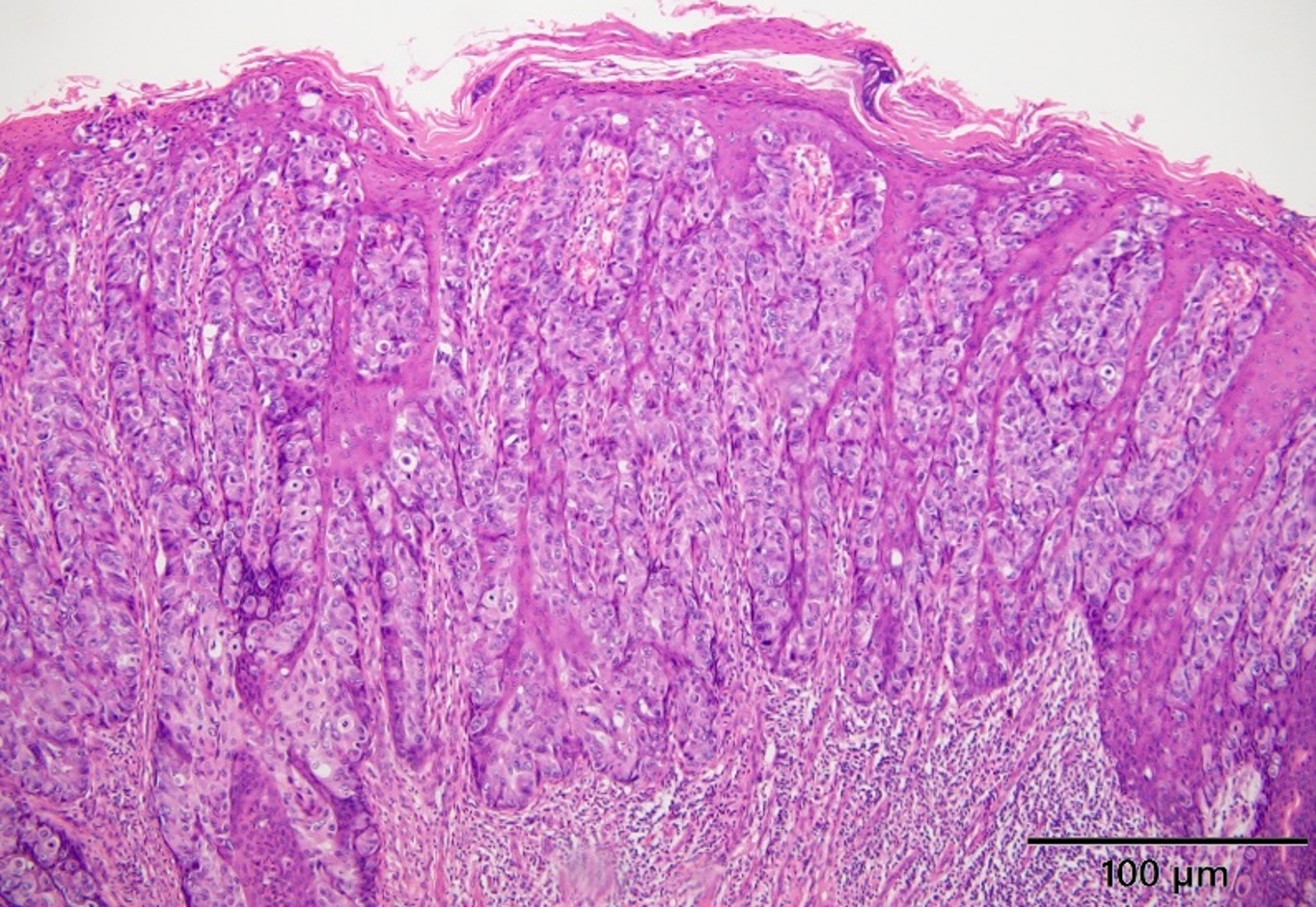

Histopathology image provided by the department
Three Research Teams
Genetic Skin Diseases / Keratinization Disorders Team
Through genetic analysis, disease models, and skin barrier research, we aim to clarify disease mechanisms and develop new treatments.
02CLINICAL + BASICConnective Tissue Diseases Team
We analyze autoantibodies and their target antigens to improve disease understanding, diagnostic accuracy, and prognostic assessment.
03CLINICAL RESEARCHCutaneous Oncology Team
We evaluate new treatment strategies arising from surgery, systemic therapy, and genomic medicine.
Genetic Skin Diseases / Keratinization Disorders Team
We study rare and intractable inherited skin diseases, including epidermal differentiation disorders, autoinflammatory keratinization diseases, and congenital hypotrichosis. Starting from patients’ clinical information and genetic analyses, we aim to deepen our understanding of disease mechanisms and develop novel treatments.
Research Themes
- Epidermal differentiation disorders
- Autoinflammatory keratinization diseases
- Congenital hypotrichosis
Research Approaches
- Genetic analysis
- Integration of clinical phenotypes and genomic information
- Functional analysis using cellular and animal models
- Analysis of skin barrier function
- Translation toward novel therapies
Connective Tissue Diseases Team
We study systemic sclerosis, dermatomyositis, Sjögren syndrome, and related diseases by molecularly analyzing autoantibodies and their target antigens in patient serum to improve diagnosis and understanding of pathogenesis.
Major Research Themes
- Analysis of antinuclear antibodies and target antigens
- Clinical significance of anti-DFS70 antibodies
- Anti-MDA5 and anti-TIF1-γ antibodies
- Discovery of disease-marker autoantibodies
Research Approaches
- Quantitative measurement using high-sensitivity ELISA
- Autoantibody epitope analysis
- Association with clinical manifestations and outcomes
- Development of diagnostic assays and test kits
Cutaneous Oncology Team
We provide integrated care for melanoma, cutaneous squamous cell carcinoma, extramammary Paget disease, angiosarcoma, and other skin cancers—from surgery to systemic therapy and genomic medicine—while developing everyday clinical challenges into research questions.
Clinical and Research Areas
- Surgery for skin malignancies
- Sentinel lymph node biopsy
- Cytotoxic chemotherapy and immune checkpoint inhibitors
- Multimodal treatment including targeted therapy
Clinical research
- Comprehensive genomic profiling and personalized medicine
- Multicenter studies and clinical trials
- Less invasive and optimized surgical approaches
- Development of new treatment strategies and combinations
Official Press Releases & Research Highlights (22)
This archive brings together official Nagoya University and Graduate School of Medicine press releases confirmed to have been led by or to include the Department of Dermatology. Collaborative studies are included, and team categories reflect our current research structure.
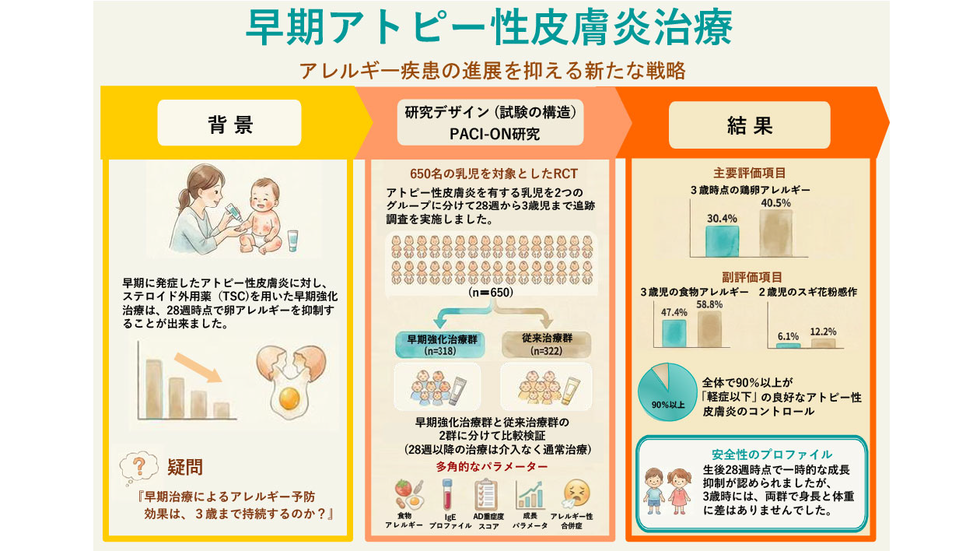 PACI-ON / ADIMAGE: NAGOYA UNIVERSITY PRESS RELEASE
Early Intensive Treatment of Infant Atopic Dermatitis Reduces Food Allergy at Age Three
Long-term follow-up of the PACI trial associated early intensive control of infant atopic dermatitis with less food allergy, particularly egg allergy, at age three.
Read the Press Release ↗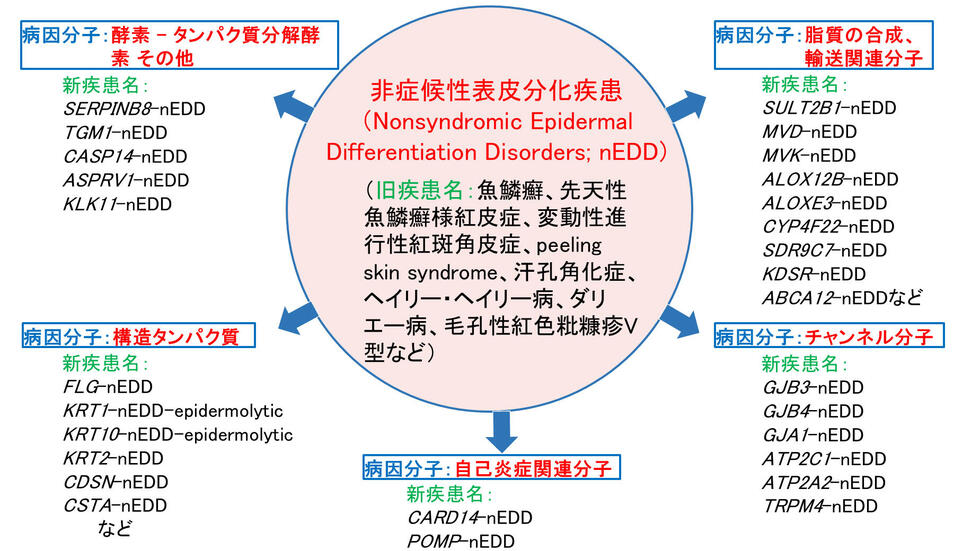 EDD / NOMENCLATUREIMAGE: NAGOYA UNIVERSITY PRESS RELEASE
International Gene-Based Classification and Nomenclature for Epidermal Differentiation Disorders
An international task force proposed a comprehensive gene-based classification, replacing outdated terminology and supporting clearer diagnosis and targeted therapy development.
Read the Press Release ↗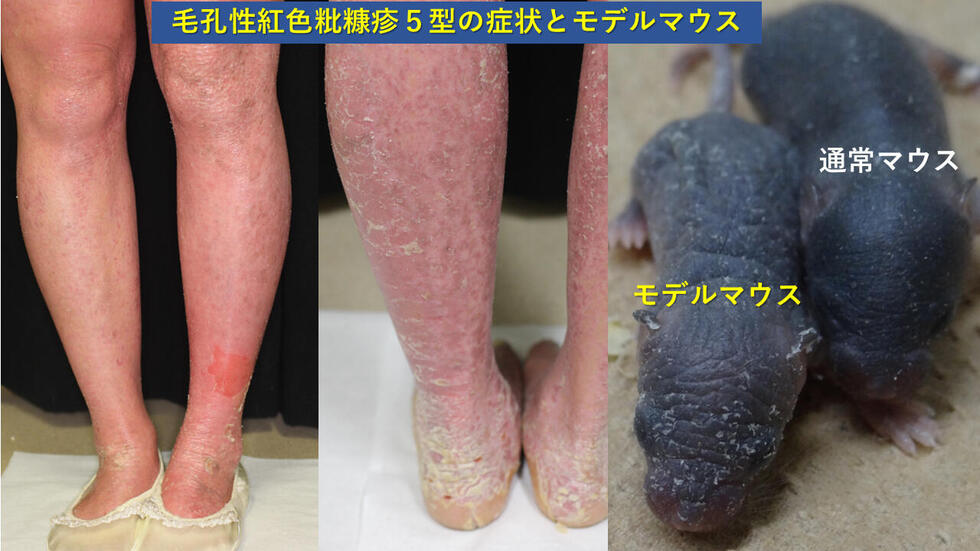 PRP / CARD14IMAGE: NAGOYA UNIVERSITY PRESS RELEASE
Mouse Model of Pityriasis Rubra Pilaris Type V Reveals Part of the Disease Mechanism
A CARD14-associated disease model and single-cell analysis identified inflammatory pathways involving IL-17 and IL-36.
Read the Press Release ↗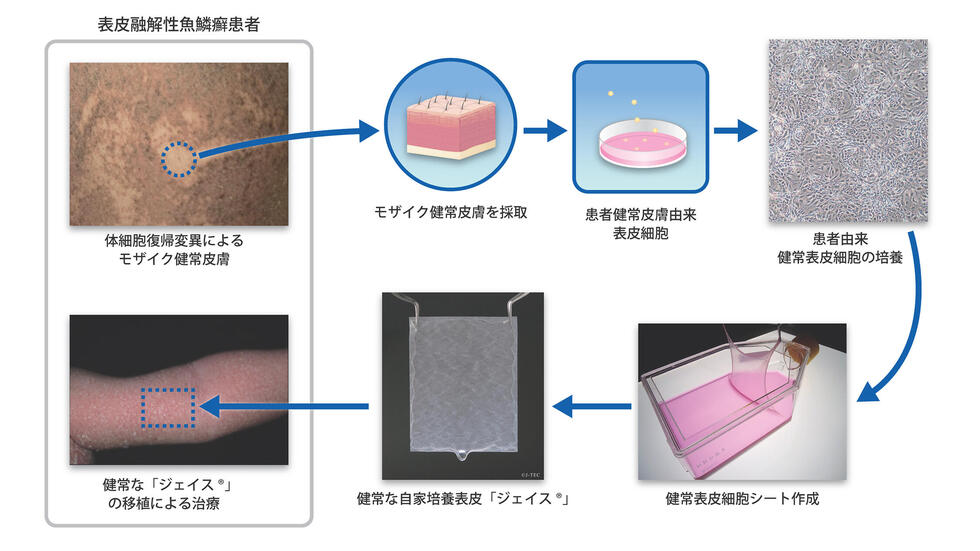 CULTURED SKINIMAGE: NAGOYA UNIVERSITY PRESS RELEASE
Potential Therapy Using Cultured Epidermal Sheets Derived from Revertant Mosaic Skin
Cultured epidermal sheets generated from a patient’s genetically corrected mosaic skin may offer a future treatment strategy for epidermolytic ichthyosis.
Read the Press Release ↗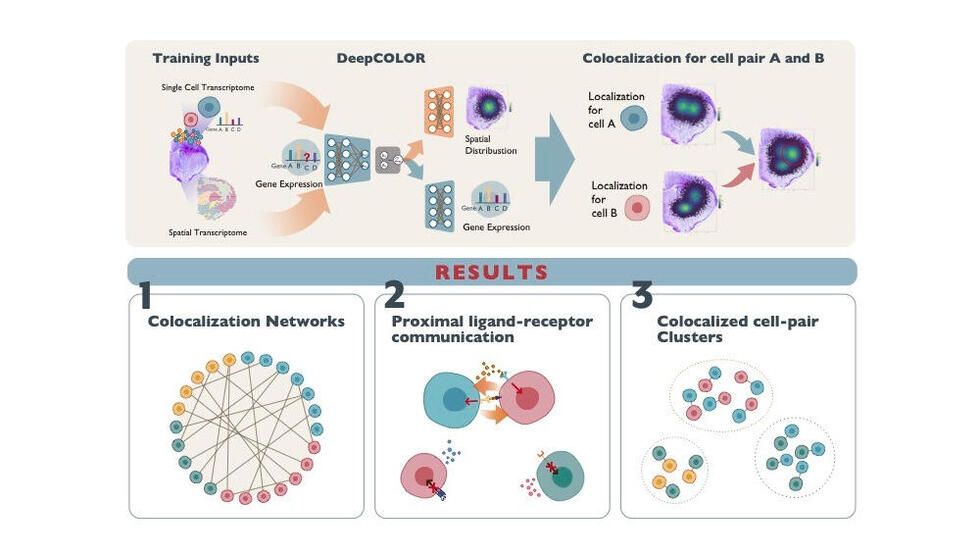 DEEPCOLOR / SPATIAL OMICSIMAGE: NAGOYA UNIVERSITY PRESS RELEASE
DeepCOLOR Maps Single-Cell Colocalization and Intercellular Communication
A deep generative model integrates single-cell and spatial transcriptomic data to map cellular neighborhoods, including those in human squamous cell carcinoma.
Read the Press Release ↗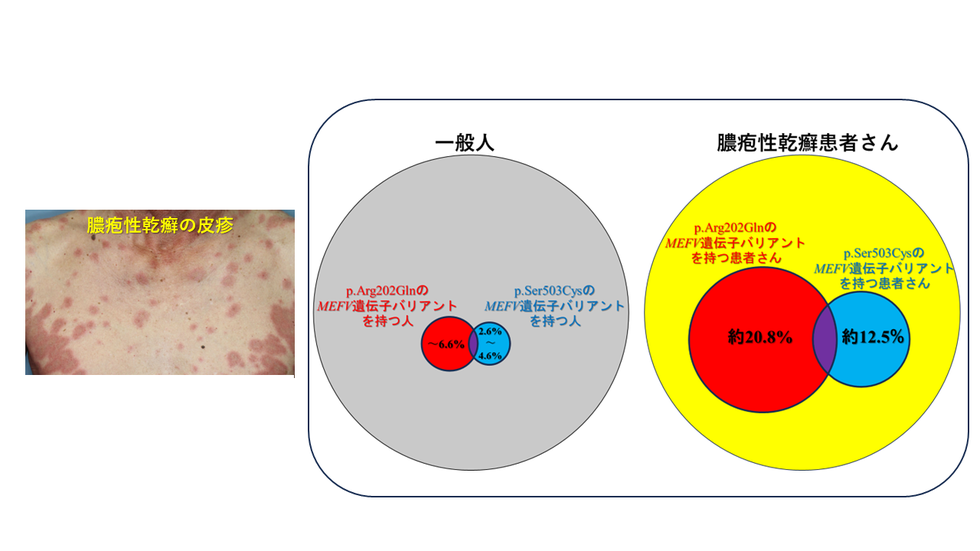 GPP / MEFVIMAGE: NAGOYA UNIVERSITY PRESS RELEASE
MEFV Variants Associated with Generalized Pustular Psoriasis
Variants in MEFV, a gene associated with familial Mediterranean fever, were identified as contributors to generalized pustular psoriasis.
Read the Press Release ↗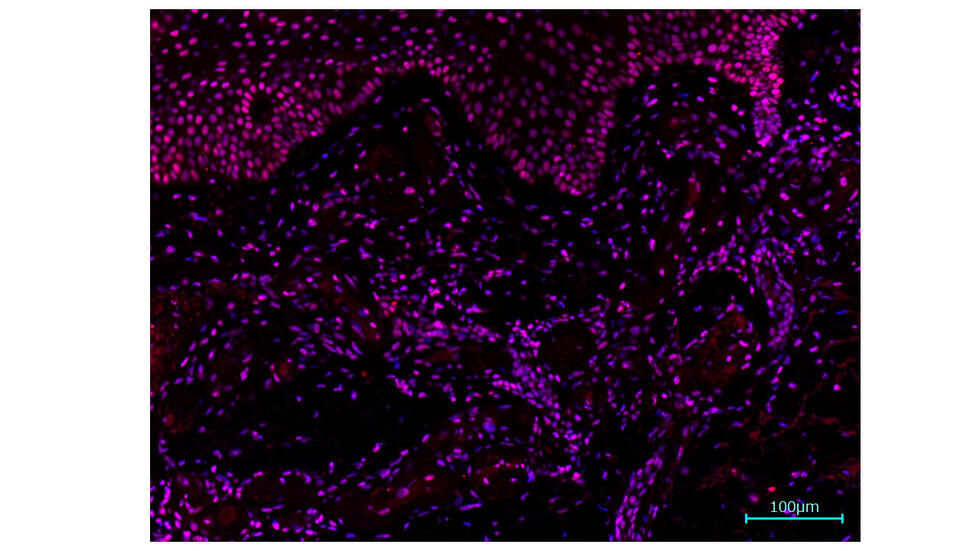 JAK SIGNALINGIMAGE: NAGOYA UNIVERSITY PRESS RELEASE
Janus Kinase Activation Identified in Cutaneous Vasculitis
JAK signaling was found to be activated in cutaneous vasculitis lesions, suggesting a potential therapeutic pathway.
Read the Press Release ↗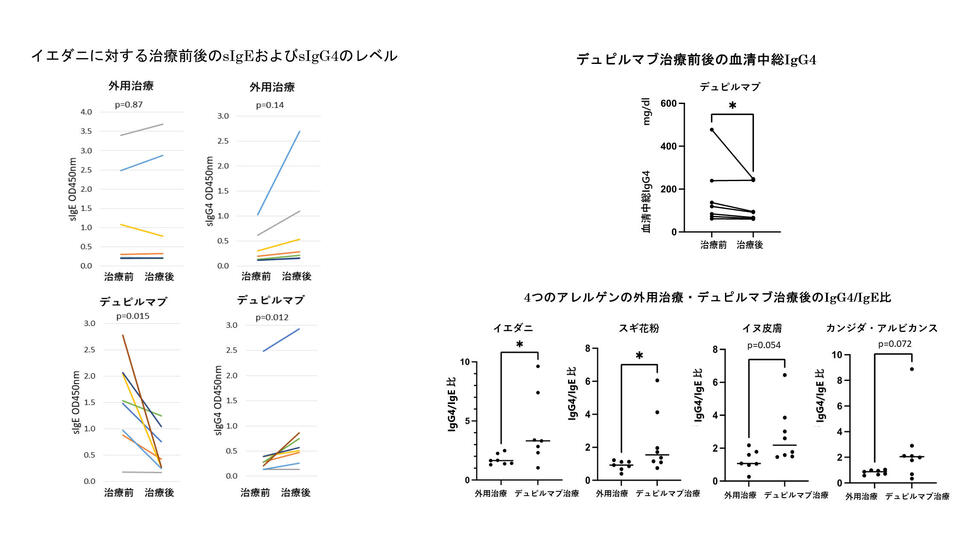 DUPILUMAB / IgG4IMAGE: NAGOYA UNIVERSITY PRESS RELEASE
Long-Term Dupilumab Treatment Increases Allergen-Specific IgG4
Long-term dupilumab treatment for atopic dermatitis increased allergen-specific IgG4 against multiple allergens.
Read the Press Release ↗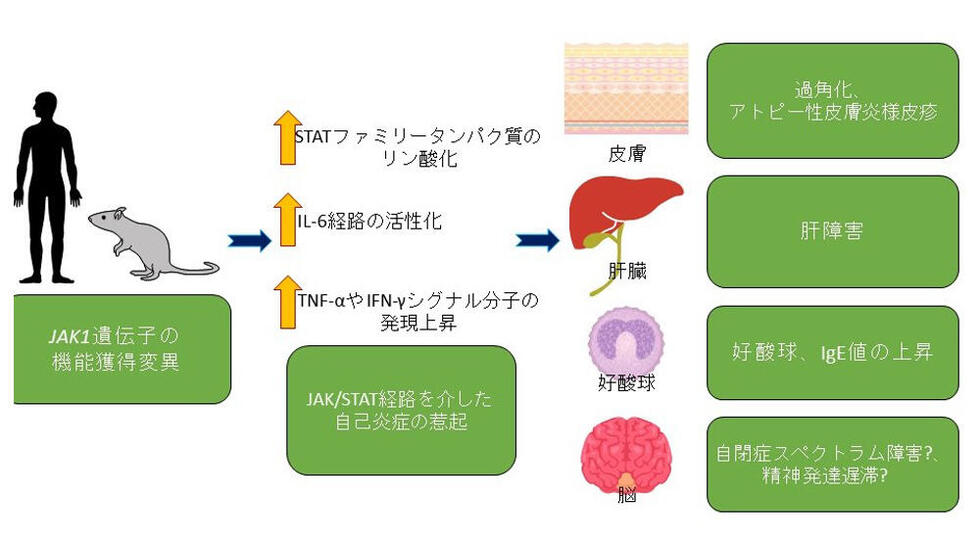 JAK1 / AiKDIMAGE: NAGOYA UNIVERSITY PRESS RELEASE
Gain-of-Function JAK1 Mutation Causes a New Autoinflammatory Keratinization Disease
A gain-of-function JAK1 variant was identified as the cause of a new autoinflammatory keratinization disease, supporting targeted JAK inhibition.
Read the Press Release ↗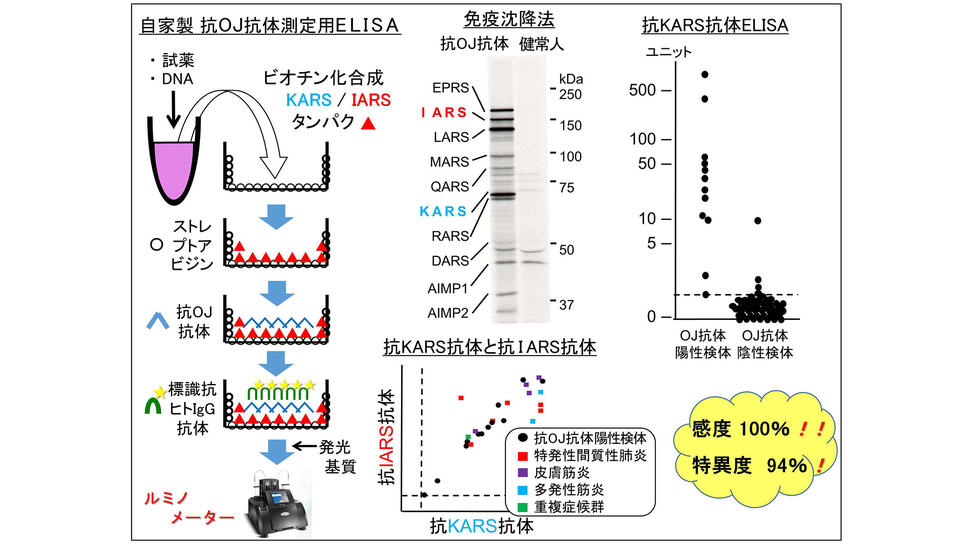 ANTI-OJ / ELISAIMAGE: NAGOYA UNIVERSITY PRESS RELEASE
A New ELISA Method for Detecting Anti-OJ Autoantibodies
A safer and faster ELISA-based assay was developed for anti-OJ autoantibodies associated with dermatomyositis and polymyositis.
Read the Press Release ↗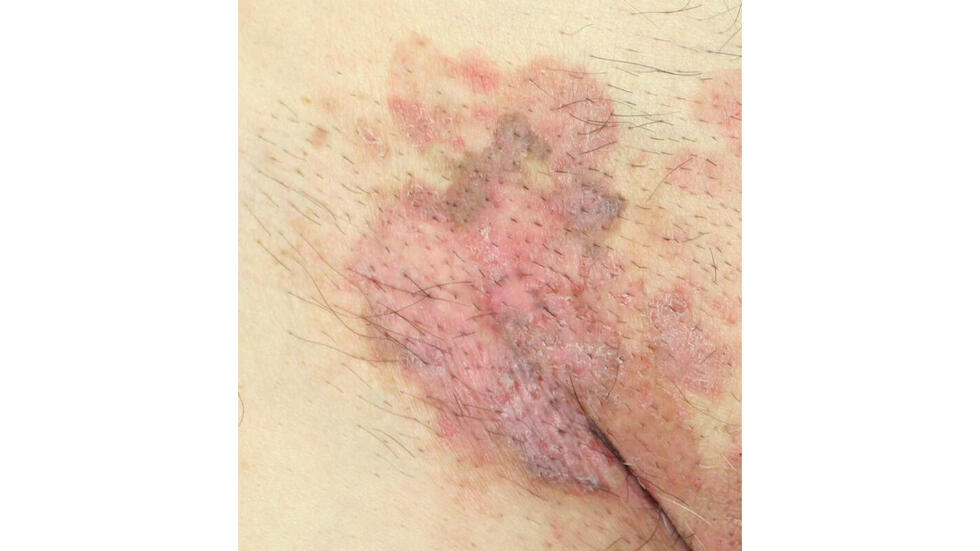 EMPD / NLRIMAGE: NAGOYA UNIVERSITY PRESS RELEASE
A Marker for Predicting Lymph Node Metastasis in Extramammary Paget Disease
The neutrophil-to-lymphocyte ratio was reported as a potential marker for predicting lymph node metastasis in extramammary Paget disease.
Read the Press Release ↗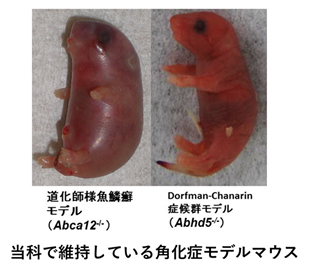
Topical Minoxidil for LIPH-Related Hypotrichosis and Woolly Hair
Clinical responses to topical minoxidil were evaluated in patients with autosomal recessive woolly hair and hypotrichosis caused by LIPH variants.
Read the Press Release ↗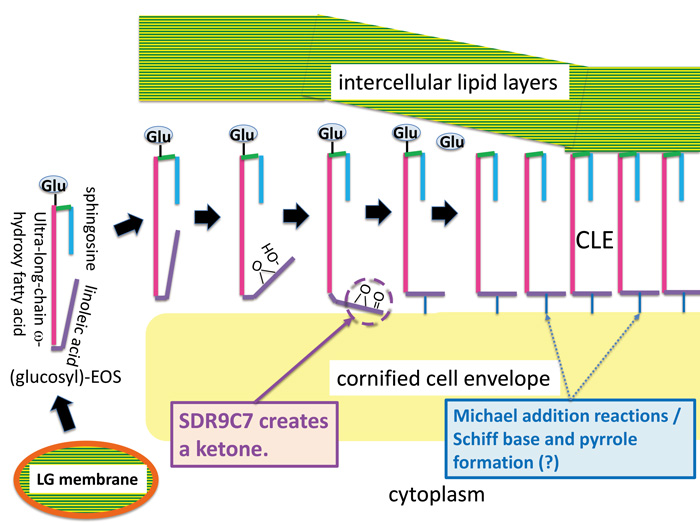 SDR9C7 / CERAMIDEFIGURE: OFFICIAL RESEARCH RELEASE
SDR9C7 Catalyzes a Critical Step in Ceramide Metabolism and Skin Barrier Formation
SDR9C7 was shown to drive an oxidation step required for acylceramide processing, corneocyte lipid envelope formation, and an intact skin barrier.
Read the Press Release ↗ KDSR / CERAMIDEFIGURE: PUBLISHED STUDY
KDSR Variants Cause a Spectrum of Keratinization Disorders with Thrombocytopenia
Biallelic KDSR variants disrupting ceramide synthesis were linked to a spectrum of keratinization disorders and thrombocytopenia.
Read the Press Release ↗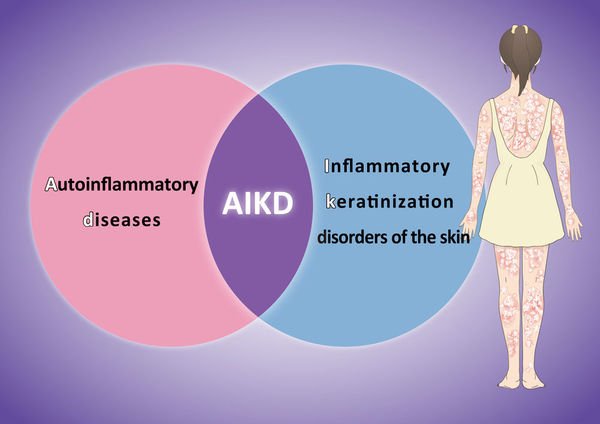 AiKD / DISEASE CONCEPTIMAGE: NAGOYA UNIVERSITY PRESS RELEASE
A New Disease Category: Autoinflammatory Keratinization Diseases
The concept of autoinflammatory keratinization diseases was proposed to unite disorders in which autoinflammation and abnormal keratinization are central.
Read the Press Release ↗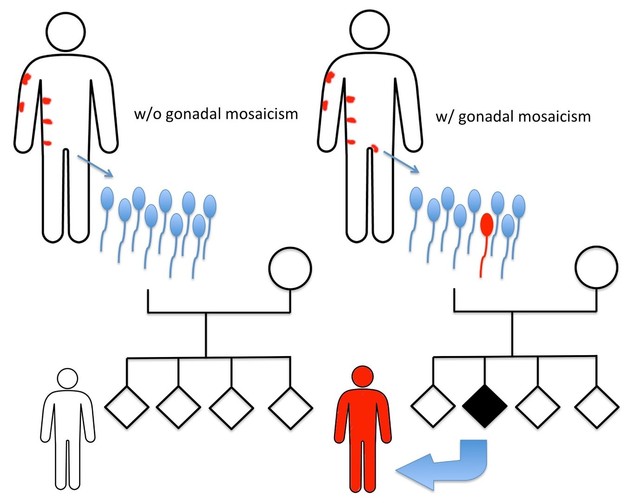 KERATIN / MOSAICISMIMAGE: NAGOYA UNIVERSITY PRESS RELEASE
Quantifying Germline Mosaicism to Estimate Transmission Risk of Epidermolytic Ichthyosis
A paternal keratin mosaic variant was quantified in semen to estimate the risk of transmission to a child with generalized epidermolytic ichthyosis.
Read the Press Release ↗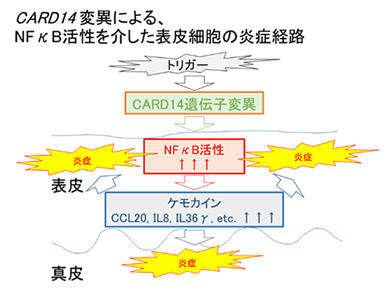 DITRA / IL36RNIMAGE: NAGOYA UNIVERSITY DERMATOLOGY
Disease Mechanisms and Therapeutic Direction in IL36RN-Related Generalized Pustular Psoriasis
The study clarified inflammatory mechanisms in IL-36 receptor antagonist deficiency-related generalized pustular psoriasis and informed therapeutic development.
Read the Press Release ↗CARD14 Mutations Identified as the Cause of Familial Pityriasis Rubra Pilaris Type V
CARD14 mutations were identified as the cause of familial PRP type V, defining the disorder as an autoinflammatory skin disease.
Read the Press Release ↗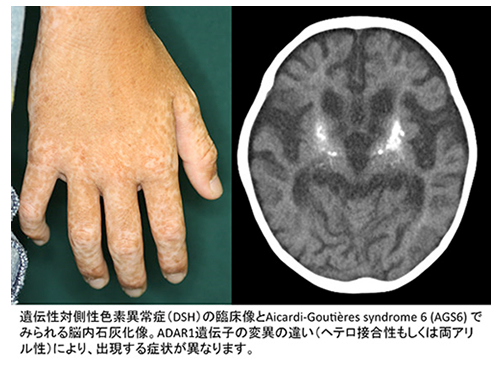 ADAR1 / RNA EDITINGIMAGE: NAGOYA UNIVERSITY DERMATOLOGY
ADAR1-Related Pigmentary and Neurologic Disorders Form a Phenotypic Continuum
Dyschromatosis symmetrica hereditaria and Aicardi–Goutières syndrome 6 were shown to represent phenotypic variants of ADAR1 dysfunction.
Read the Press Release ↗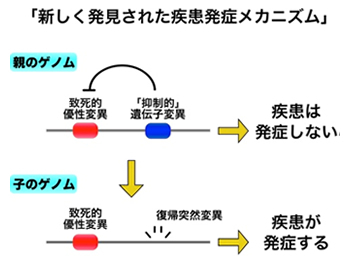 GJB2 / REVERSIONIMAGE: NAGOYA UNIVERSITY DERMATOLOGY
A Revertant Event Unmasks a Pathogenic GJB2 Variant
Loss of a suppressor mutation through a revertant event was shown to unmask a pathogenic GJB2 variant and produce disease.
Read the Press Release ↗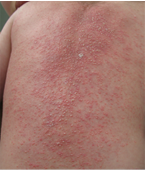 GPP / IL36RNIMAGE: NAGOYA UNIVERSITY PRESS RELEASE
IL-36 Receptor Antagonist Deficiency Underlies Many Cases of Generalized Pustular Psoriasis
IL36RN deficiency was identified as a major cause of generalized pustular psoriasis without psoriasis vulgaris, supporting genetic diagnosis.
Read the Press Release ↗ RAK / ADAM10IMAGE: NAGOYA UNIVERSITY PRESS RELEASE
ADAM10 Identified as the Causative Gene for Reticulate Acropigmentation of Kitamura
Nearly 70 years after the disorder was first described, ADAM10 variants were identified as the cause of reticulate acropigmentation of Kitamura.
Read the Press Release ↗Latest Publications
Beyond press releases, we highlight original articles, clinical studies, and case reports published by members of our department.
PubMed-indexed records are checked automatically every 24 hours.
Clinical Outcomes of Dacarbazine After Failure of Immune Checkpoint Inhibitors: A Case Study of 15 Japanese Patients With Malignant Melanoma
Horisaki K, et al. J Dermatol. 2026
A case series of 15 Japanese patients evaluated clinical outcomes of dacarbazine after failure of immune checkpoint inhibitors.
Low Subcutaneous Adipose Tissue is Associated with Poor Prognosis for Aged Patients with Cutaneous Angiosarcoma: A Retrospective Cohort Study
Miyazaki A, et al. Acta Derm Venereol. 2026
A retrospective cohort study found an association between low subcutaneous adipose tissue and poor prognosis in older patients with cutaneous angiosarcoma.
Subcutaneous Panniculitis-like T-cell Lymphoma with Secondary Haemophagocytic Lymphohistiocytosis Arising at Widespread Tattoo Sites: A Case Report
Fukuda R, et al. Acta Derm Venereol. 2026
A rare case of subcutaneous panniculitis-like T-cell lymphoma arising at widespread tattoo sites with secondary haemophagocytic lymphohistiocytosis was reported.
Low-temperature plasma-activated Ringer's lactate solution induces apoptosis in melanoma cells by downregulating heat shock proteins and by inducing mitochondrial dysfunction
Miyazaki A, et al. J Dermatol Sci. 2026
The study investigated how plasma-activated Ringer’s lactate induces melanoma-cell apoptosis through heat-shock-protein downregulation and mitochondrial dysfunction.
Genomic and transcriptomic analyses of melanoma in Japanese patients reveal candidate biomarkers for immune checkpoint inhibitor responders
Kimura T, et al. Commun Med (Lond). 2026
Genomic and transcriptomic profiling of Japanese melanoma samples identified candidate biomarkers associated with clinical benefit from immune checkpoint inhibitors.
Efficacy of adjuvant anti-PD-1 antibody versus observation for resected nail apparatus melanoma
Komori T, et al. J Eur Acad Dermatol Venereol. 2026
A multicenter study compared adjuvant anti-PD-1 therapy with observation after resection of nail apparatus melanoma.