2025 Nagoya University International Summer Program Report
Summary and Objectives
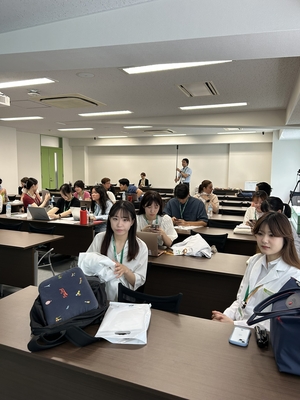
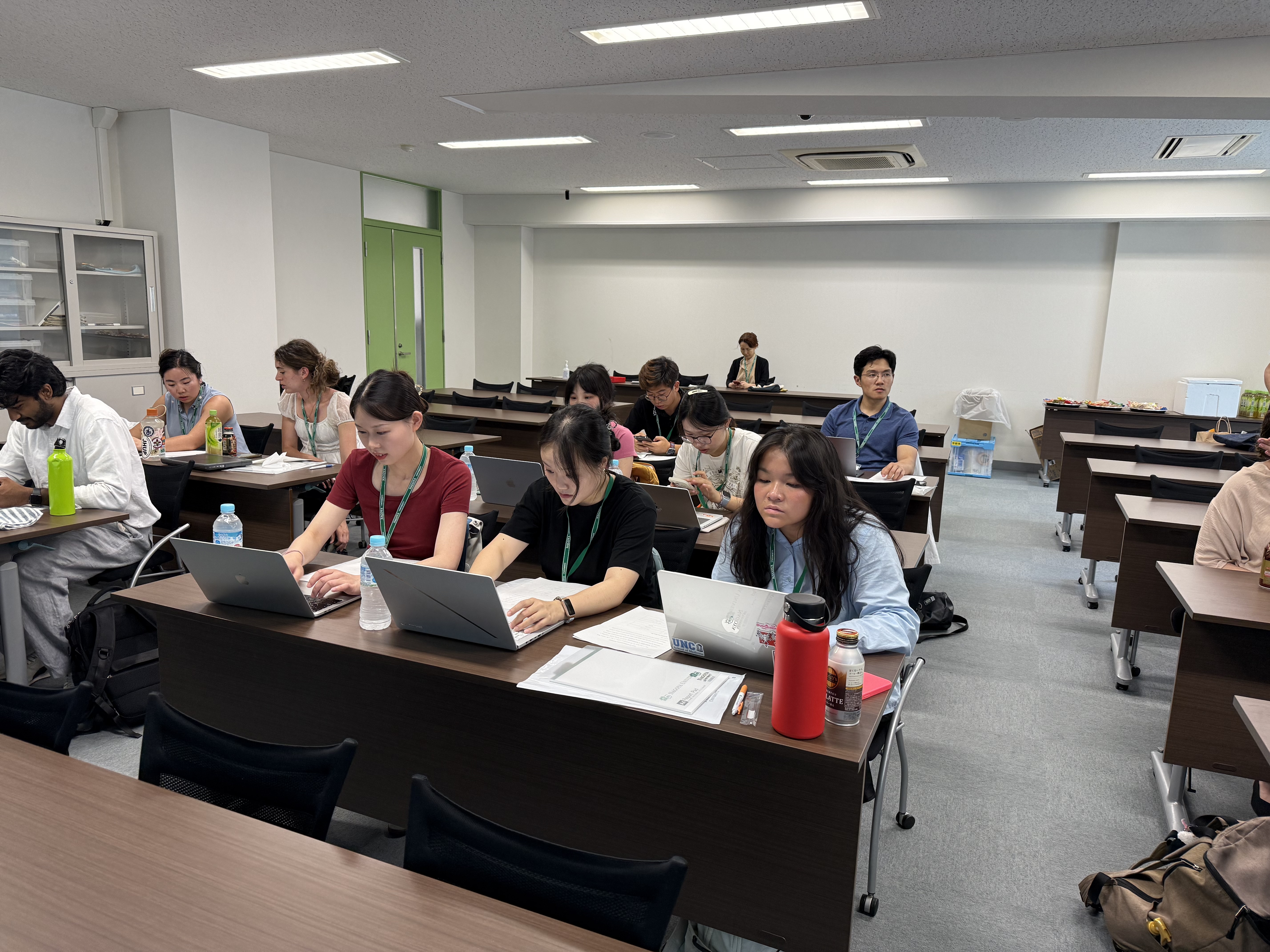
From July 8 to July 14, 2025, Nagoya University School of Medicine hosted an international summer program as part of its global medical education initiatives. The program welcomed students from four partner institutions--Johns Hopkins University, Duke University, the University of North Carolina at Chapel Hill (UNC), and Peking University--along with students from Nagoya University. Under the theme "Bridging Community Medicine and Innovations in Japan" and the subtitle "From Local Practice to Global Breakthroughs: Exploring Japanese Medical Advances," participants gained firsthand experience in community healthcare, aging societies, medical ethics, traditional medicine, and medical innovation in Japan. In addition to fieldwork and lectures, the program included research laboratory visits, hospital tours, and interactive discussions with faculty members, healthcare professionals, and students.
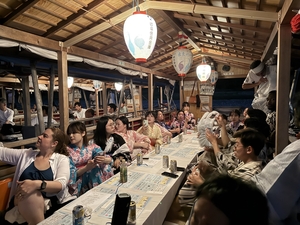
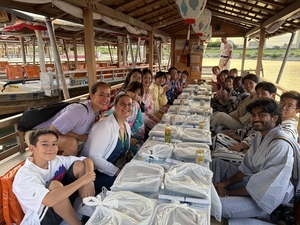
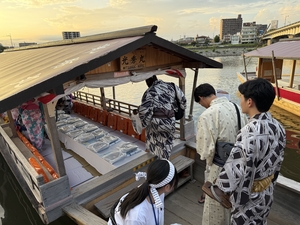
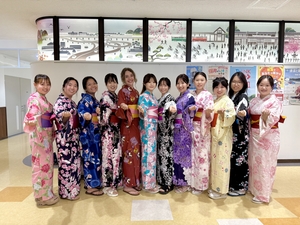
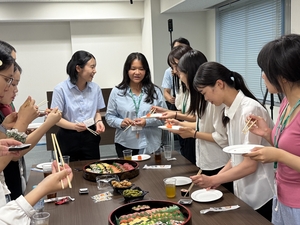
Through the program, students explored differences in healthcare systems and education, learned about medical challenges in various countries, and deepened mutual understanding. In particular, by observing Japan's community-based and home healthcare systems and by engaging with innovative educational and technological initiatives such as XR-based medical training, participants were encouraged to reflect on the future of healthcare in their own countries and communities. The program also offered opportunities to experience Japanese culture and local traditions, making it a highly enriching academic and intercultural experience.
The program was further enriched by the participation of distinguished faculty members and guest speakers from Nagoya University and partner institutions. Their lectures and contributions provided participants with unique perspectives, inspiration, and practical knowledge, further enhancing the program's impact and aligning with its overarching theme of "Bridging Community Medicine and Innovations in Japan."
Learning About Community Medicine and Medical Innovations
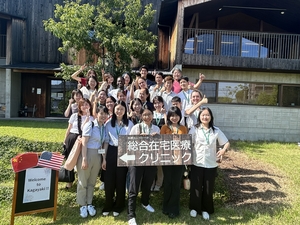
To explore community healthcare, participants visited the Kagayaki Comprehensive Home Healthcare Clinic in Gifu Prefecture. This clinic, led by Dr. Ryoichi Ichihashi, a Nagoya University graduate, provides home-based medical care rooted in the local community.
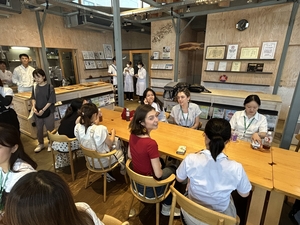
Students observed home healthcare practices and learned firsthand about the role of community-based medicine in Japan's aging society. Through these visits, they gained a deeper appreciation for the importance of home care, continuity of care, and interprofessional collaboration. Participants were also involved in presentations and discussions on regional medicine and home healthcare, which allowed them to connect their field observations with broader social and medical challenges.
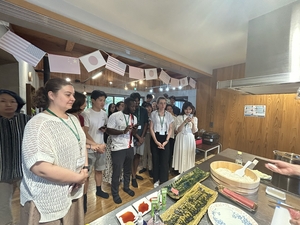
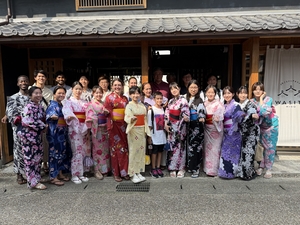
The program also included learning opportunities related to supportive care for people with special needs, including lectures on care foods for individuals with swallowing difficulties. In addition, participants learned about home-visit dentistry and explored local communities in Mino, gaining insight into how healthcare, daily life, and community support are closely interconnected in Japan.
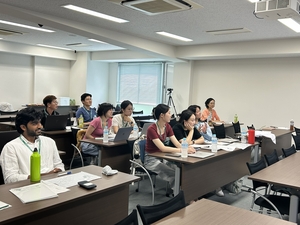
Educational highlights also included lectures and sessions related to medical innovation. Participants attended a lecture on medical ethics by Dr. Kazuhito Ueda from the Department of Pediatrics, which encouraged reflection on the responsibilities and values required in clinical practice. They also joined a lecture on Japanese Kampo medicine and traditional medicine by Dr. Toshikazu Sato from General Medicine, which introduced participants to perspectives on healthcare rooted in Japanese tradition and holistic care.
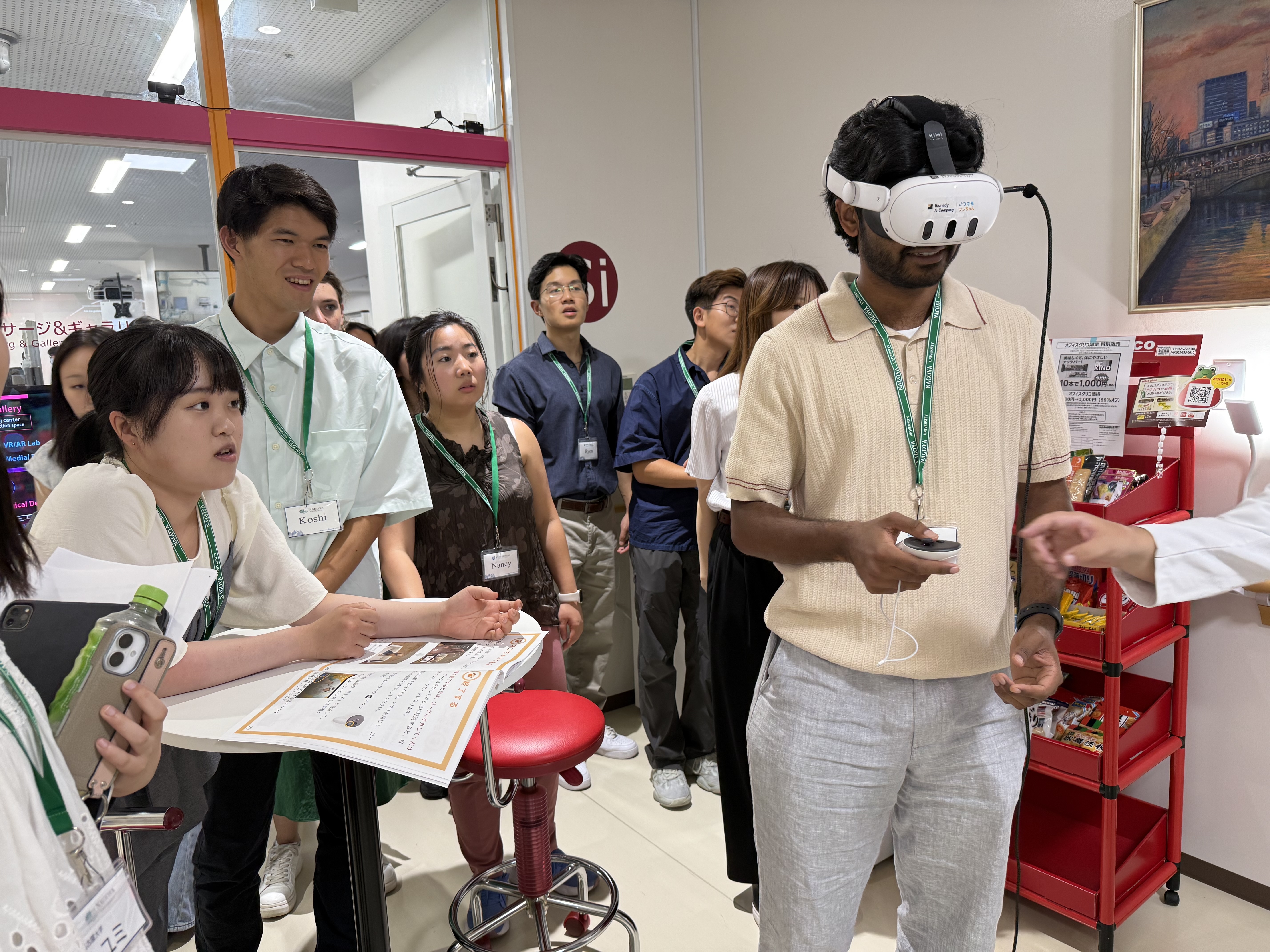
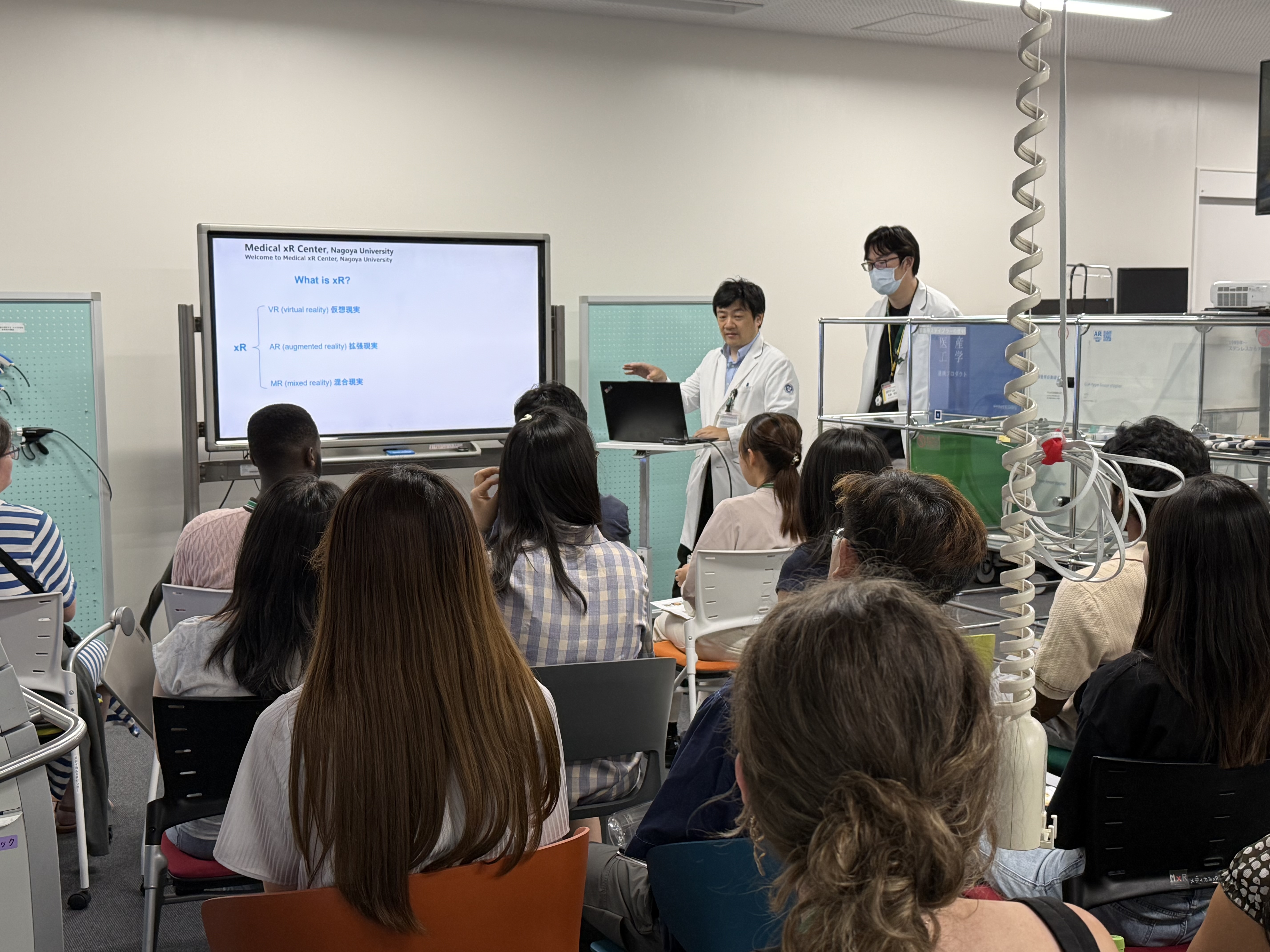
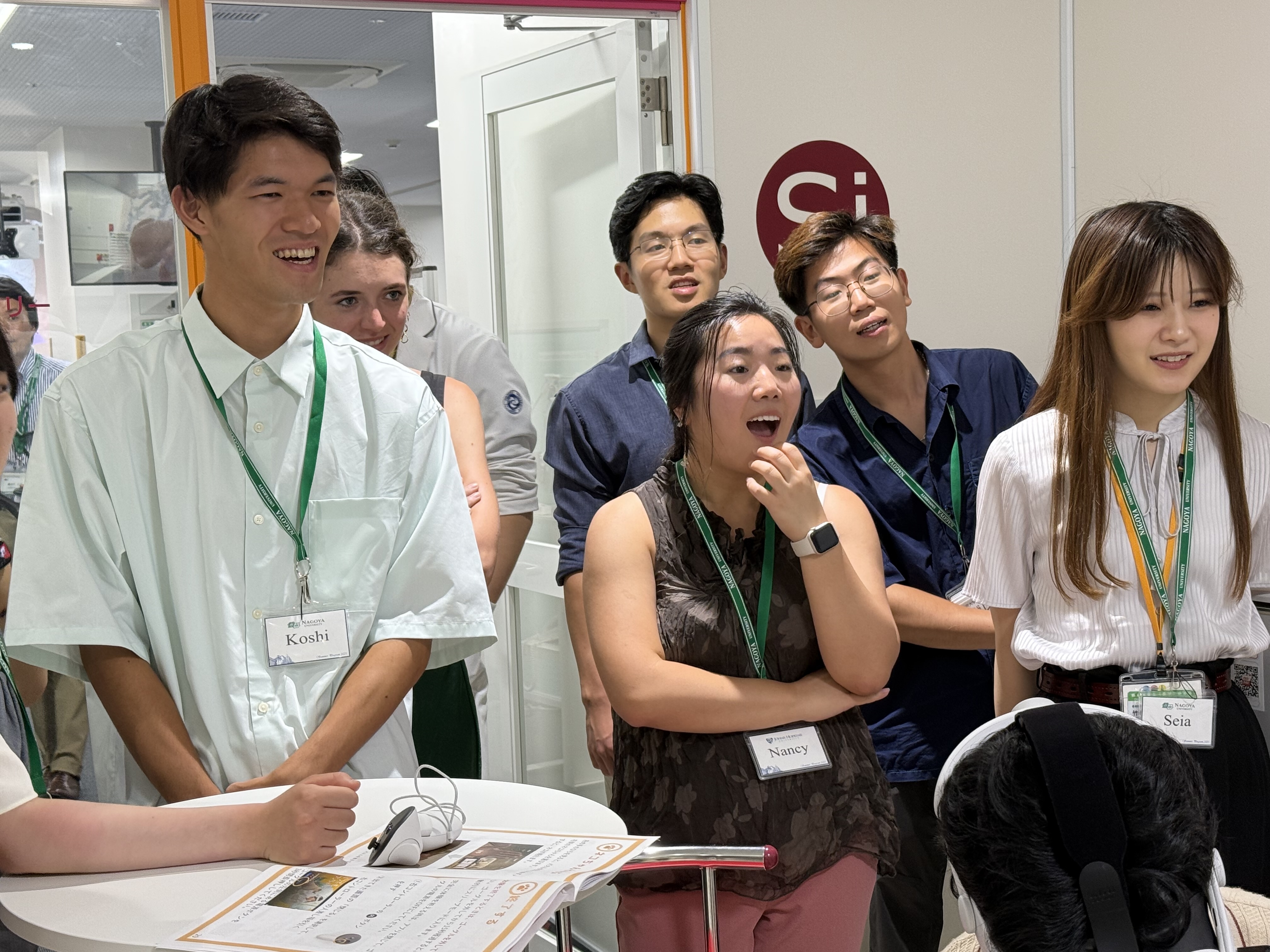
The program further included a planned visit to the xR Center, where students were introduced to advanced educational technologies and immersive approaches to medical learning. By combining community medicine with technological innovation, the program offered participants a valuable opportunity to consider how healthcare systems can respond creatively and compassionately to evolving medical and social needs.
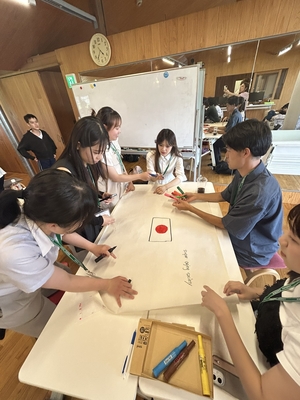
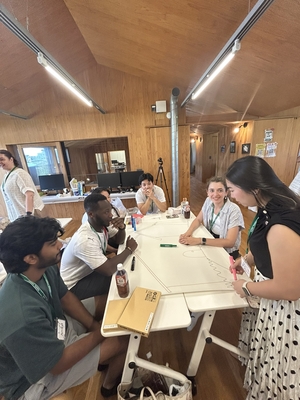
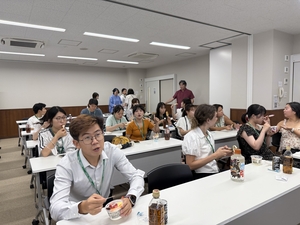
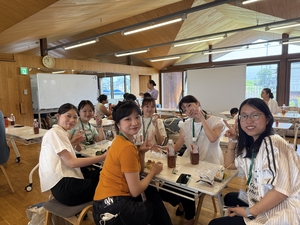
The program also featured discussions on the current and future state of healthcare. Through exchanges with peers from different countries and academic backgrounds, students reflected on the strengths and challenges of their own healthcare systems while learning from others. This activity provided a valuable opportunity to understand how culture, policy, and education influence healthcare globally.
Exploring Academic Research: Laboratory Visits at Nagoya University
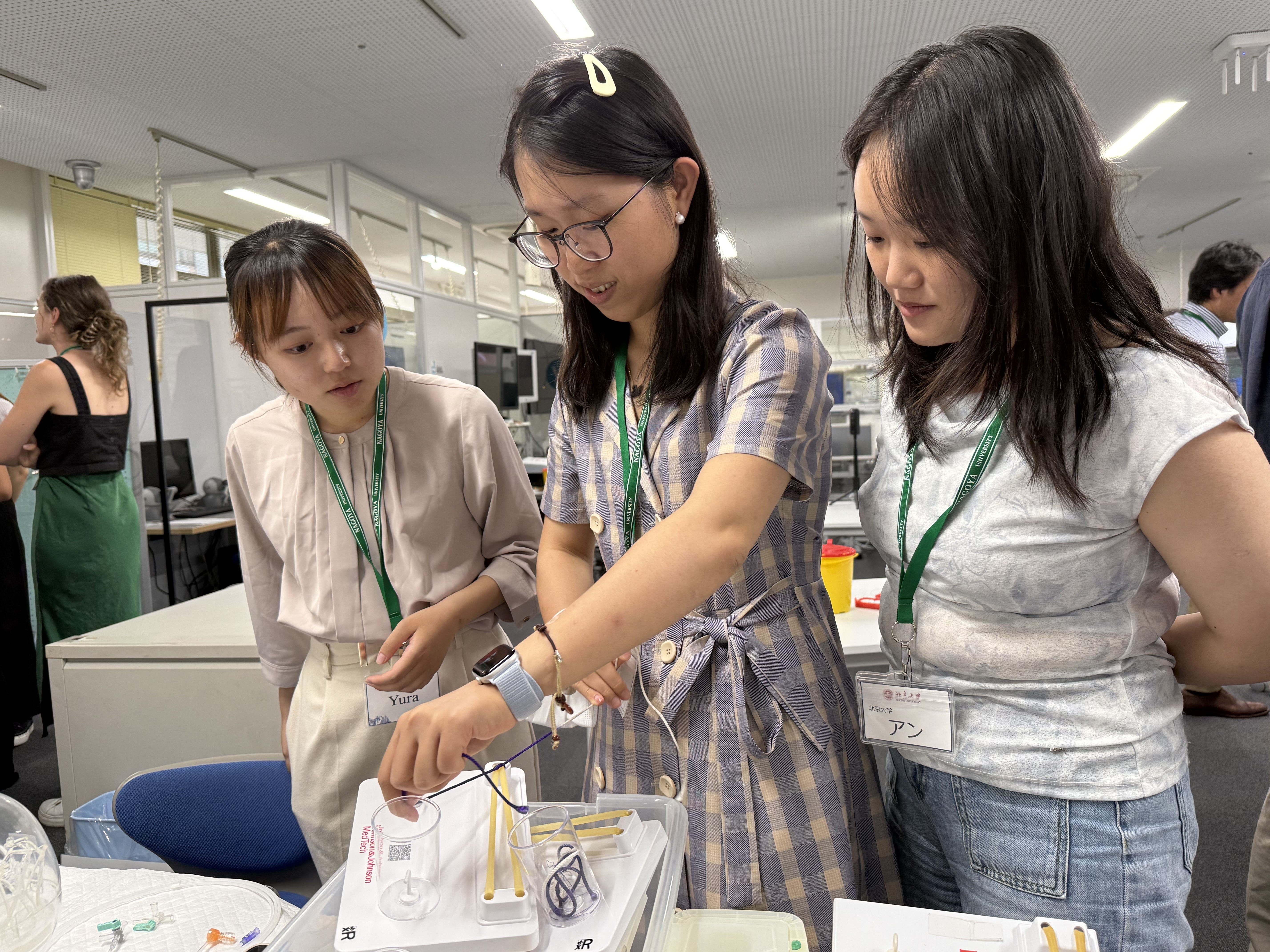
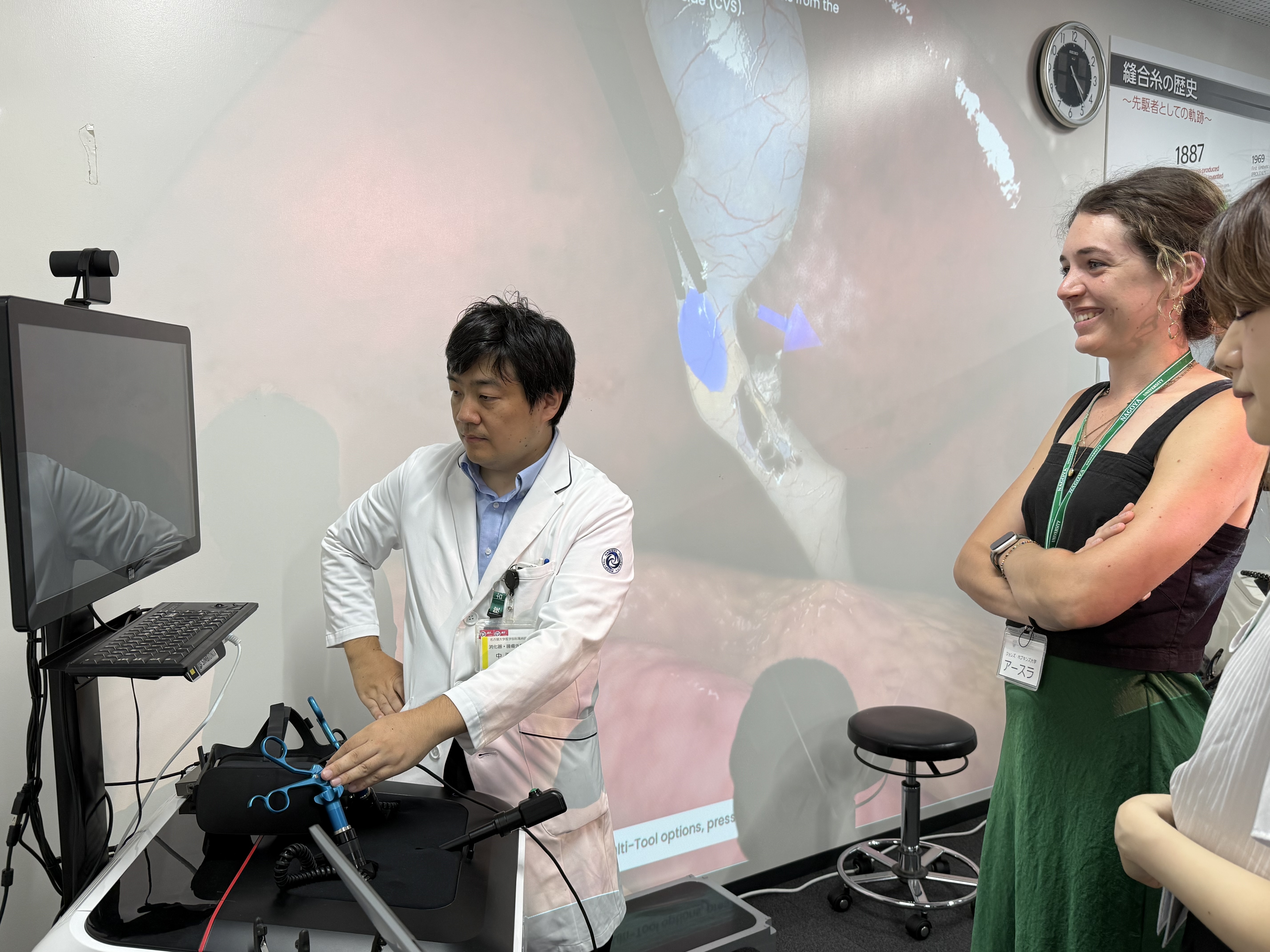
On July 8 from 15:00 to 18:00, participants took part in guided visits to research laboratories within Nagoya University Graduate School of Medicine. This session provided an invaluable opportunity to explore the academic research environment in Japan and to learn how scientific discovery underpins clinical practice. The laboratory visits complemented the hospital tour and other introductory sessions on the first full day of the program, helping participants gain a broader understanding of Nagoya University's educational and research environment.
Participants were introduced to ongoing innovations in medical science and technology and had the opportunity to interact directly with faculty members and researchers. These visits allowed students to gain a deeper appreciation of the role that academic research plays in advancing healthcare and highlighted the importance of interdisciplinary approaches and scientific inquiry in solving complex medical challenges. The experience also gave many participants an opportunity to consider future research interests and areas of specialization.
Promoting International Medical Education
The program successfully cultivated global perspectives and intercultural understanding among participants, laying a strong foundation for future contributions to international medical practice. As globalization continues to reshape healthcare, such international exchange initiatives play a vital role in advancing medical education and fostering cross-border collaboration.
In addition to clinical and community-based experiences, the program offered participants a valuable opportunity to engage with Japan's academic and social approaches to medicine. Through lectures on medical ethics, traditional medicine, and innovation in healthcare, as well as through field visits and laboratory experiences, students gained a broader understanding of how medicine is practiced, taught, and developed in Japan. These encounters encouraged participants to reflect on the importance of integrating scientific knowledge, cultural understanding, and compassion in healthcare.
Furthermore, the combination of community-based learning and innovation-oriented sessions offered a forward-looking perspective on how academic institutions can respond to the evolving needs of society. The program emphasized that the future of healthcare will require both technological advancement and strong human-centered care, particularly in aging societies.
Nagoya University School of Medicine remains committed to implementing similar international programs to nurture the next generation of global healthcare leaders. By cultivating practical medical skills, broad perspectives, and deep cultural understanding, the university strives to produce physicians equipped to advance innovation and international cooperation in medicine. We extend our heartfelt gratitude to the many faculty members and stakeholders who supported this program, and we sincerely request your continued support in the years to come.
Special Guests
The program was privileged to feature distinguished guest speakers who contributed significantly to the depth and impact of the learning experience.
Dr. Elizabeth B. Malinzak (Duke University School of Medicine)
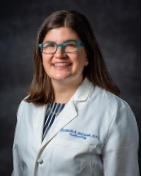
Dr. Malinzak, Associate Dean for Student Affairs and Associate Professor in the Department of Anesthesiology at Duke University School of Medicine, delivered a guest lecture on the final day of the program. A nationally recognized leader in medical education, mentorship, and professional development, she brought to the program a wealth of experience in supporting future physicians and promoting inclusive, forward-looking academic environments. Her participation offered students valuable insights into leadership, medical education, and professional growth in a global context.
Dr. Esther Jeong
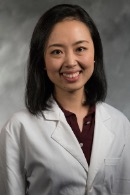
Dr. Esther Jeong, a U.S. board-certified pediatrician and former Assistant Professor of Pediatrics at Duke University School of Medicine, also contributed to the educational richness of the program. With extensive experience in primary care pediatrics, academic medical education, and community-centered care, she brought valuable cross-cultural and clinical perspectives relevant to the program's goals. Her professional background in pediatrics, health equity, and compassionate care aligned closely with the program's emphasis on patient-centered and community-based medicine.
Prof. Hiroyuki Umegaki (Nagoya University School of Medicine)
A leading expert in geriatrics at Nagoya University School of Medicine, Professor Umegaki delivered a guest lecture and discussion on the final day of the program. His lecture focused on aging populations and the healthcare challenges associated with Japan's rapidly aging society. By sharing his expertise in geriatric medicine and elderly care, he helped participants better understand the importance of interdisciplinary collaboration and innovation in responding to demographic change.
Participants: Click to Read Their Stories
Johns Hopkins University
Duke University
University of North Carolina (UNC)
Peking University
Nagoya University
The program was structured to accommodate a wide range of academic interests, and participants were able to engage not only in clinical and community-based experiences but also in research-focused activities through laboratory visits, as well as innovation-oriented learning through the xR Center and final discussions on the future of healthcare. These experiences complemented the broader learning objectives and allowed students to explore potential areas of specialization while strengthening international friendship and collaboration.