
Department of Emergency & Critical Care Medicine
KEYWORDS
- Emergency Medicine
- Critical Care Medicine
- Disaster Medicine
- Critically Ill Patients
- Multiple Organ Dysfunction
- Acute Lung Injury
- Shock
- Systemic Inflammation
- Systemic Cell Death
- Clinical Biostatistics
- Gene Therapy
- Transcription Factor Regulation
HEAD
LAB MEMBER
| Faculty | Position | Researchers |
|---|---|---|
| NUMAGUCHI Atsushi | Lecturer | Researchers |
| YAMAMOTO Takanoti | Lecturer | Researchers |
| HIGASHI Michoko | Assistant Professor | Researchers |
CONTACT
| nmatsuda◎med.nagoya-u.ac.jp (Please send a message after replacing "◎" mark with "@" mark. ) |
OUTLINE
The Department of Emergency and Critical Care Medicine at Nagoya University is an academic unit dedicated to advancing the science and systems of acute care medicine, encompassing emergency medicine, critical care medicine, and disaster medicine, in light of the evolving needs of emergency and critical care practice in Japan and worldwide. Through these efforts, the Department seeks to contribute to the advancement of medicine and healthcare.
Our mission is to promote the development of both acute pathophysiological medicine and acute care management medicine within the fields of emergency and critical care medicine. Furthermore, the Department is operated with the aim of practically implementing systems of emergency and critical care, advancing scholarship in these disciplines, and fostering future experts in this field through the pursuit of advanced academic degrees, including the Doctor of Medical Science (PhD).
1) History of the Department
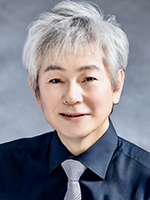
The Department was established in April 1995 under the leadership of its founding professor, Professor Jun Takezawa, and has been led by its second chair, Professor Naoyuki Matsuda, since February 2010. It has been devoted to the education of medical students and healthcare professionals in emergency and critical care medicine, as well as to clinical practice and research. Guided by both clinical and research principles, the Department operates with the objective of advancing acute care medicine and acute care management medicine.
2) Emergency Medicine
Emergency medicine is a discipline that addresses sudden and acute changes in patients’ physical conditions. In order to respond effectively to emergencies, it is essential to understand the pathophysiology of acute deterioration and to apply appropriate principles of diagnosis and treatment for conditions associated with urgency.
Members of our Department provide clinical care in emergency rooms (ERs) at Nagoya University Hospital and affiliated hospitals, with the aim of enhancing the quality and safety of emergency medical care. Faculty members belong to the Japanese Association for Acute Medicine (JAAM), and core members are certified as board-certified emergency physicians and instructors.
3) Critical Care Medicine
Critical care medicine is a discipline that addresses severe and life-threatening conditions. For example, it provides acute care in intensive care units for patients who develop organ dysfunction in association with diseases such as cancer, with the goal of stabilizing their condition and preventing further deterioration.
The Department of Emergency and Critical Care Medicine, Graduate School of Medicine, Nagoya University, aims to disseminate emergency and critical care medicine widely throughout Japan and in collaboration with the global medical community. Advanced organ support therapies are provided, including mechanical ventilation, blood purification therapies, extracorporeal membrane oxygenation (ECMO), continuous electroencephalographic monitoring, and continuous invasive blood pressure monitoring.
Members of the Department are affiliated with the Japanese Society of Intensive Care Medicine (JSICM), and core faculty members hold board certification as intensive care specialists.
RESEARCH PROJECTS
- Elucidation of the Pathophysiology and Establishment of Therapeutic Strategies for Systemic Inflammatory Responses (Sepsis, Trauma, Acute Pancreatitis, Multiple Organ Dysfunction, Disseminated Intravascular Coagulation, and Cytokine Storms) (Clinical and Basic Research)
- Investigation of the Pathophysiology of Acute Lung Injury and the Development of Novel Therapeutic Agents (Including Therapeutic Approaches for Pulmonary Fibrosis) (Basic Research)
- Elucidation of the Pathophysiology and Establishment of Therapeutic Strategies for Shock and Vascular Endothelial Cell Injury (Clinical and Basic Research)
- Studies on the Promotion of Tissue Repair in the Pathophysiology of Sepsis (Basic Research)
- Studies on Transcription Factor Regulation in Cytokine Storms (Basic Research)
- Research on Acute-Phase Nutritional Strategies (Clinical and Basic Research)
- Research on the Management of Post-Resuscitation Encephalopathy (Clinical and Basic Research)
- Research on Analgesia and Sedation in Critical Care Medicine (Clinical and Basic Research)
- Epidemiological and Clinical Studies of Environmental Emergencies (Heat-Related Illness and Accidental Hypothermia) (Clinical Research)
- Epidemiological and Therapeutic Studies of Acute Drug Intoxication (Clinical Research)
- Development and Operation of a Pediatric Emergency Medicine Database (Clinical Research)
- Studies on the Structural Design and Clinical Workflow of Initial Treatment Areas in Emergency Departments (Clinical Research)
- Research on Distributed Transport Systems for Patients with Multiple Trauma (Clinical Research)
- Studies on Clinical Care Bundles in Septic Shock (Clinical Research)
MESSAGE
Our department is dedicated to the education and training of board-certified emergency physicians and intensivists who are capable of contributing both in Japan and internationally.
In Japan, approximately 6.6 million patients are transported by ambulance each year. In Nagoya City, where our department is located, more than 150,000 ambulance transports are recorded annually. While the demographic profile of emergency patients has gradually shifted toward intrinsic diseases among an aging population, emergency medicine in Japan continues to encompass a broad and diverse range of conditions, including traffic-related injuries, multiple trauma, stroke, respiratory failure, shock, and acute drug intoxication.
Under the leadership of Professor Naoyuki Matsuda, our department actively provides clinical guidance across this wide spectrum of emergency and critical care practice. Our educational activities include hands-on clinical training at the emergency and critical care center, as well as extensive public outreach through educational programs for citizens and radio broadcasts.
A distinctive feature of our department is its longstanding commitment to sepsis awareness and infection control. In collaboration with the Global Sepsis Alliance, we hosted World Sepsis Day in Japan for the first time in 2012, and had already launched the Clean Hands Campaign in 2010. In parallel, our department has continuously pursued research on infection-induced pathophysiological modulation in the fields of emergency and critical care medicine.
We remain committed to further strengthening collaboration with colleagues and institutions worldwide and sincerely appreciate your interest in and support of our department.
OTHER
BIBLIOGRAPHY
Please refer to the NU Researchers page for more detailed research achievements.
