
Aging and Metabolic Research
KEYWORDS
- Sarcopenia
- Dementia
- Frailty
- Cognitive impairment
- Metabolic disorders and aging
HEAD

ASAHARA-Satoh Noriko
Adjunct Professor
CONTACT
| asahara◎ncgg.go.jp (Please send a message after replacing "◎" mark with "@" mark. ) | |
| HP | Private Page |
OUTLINE
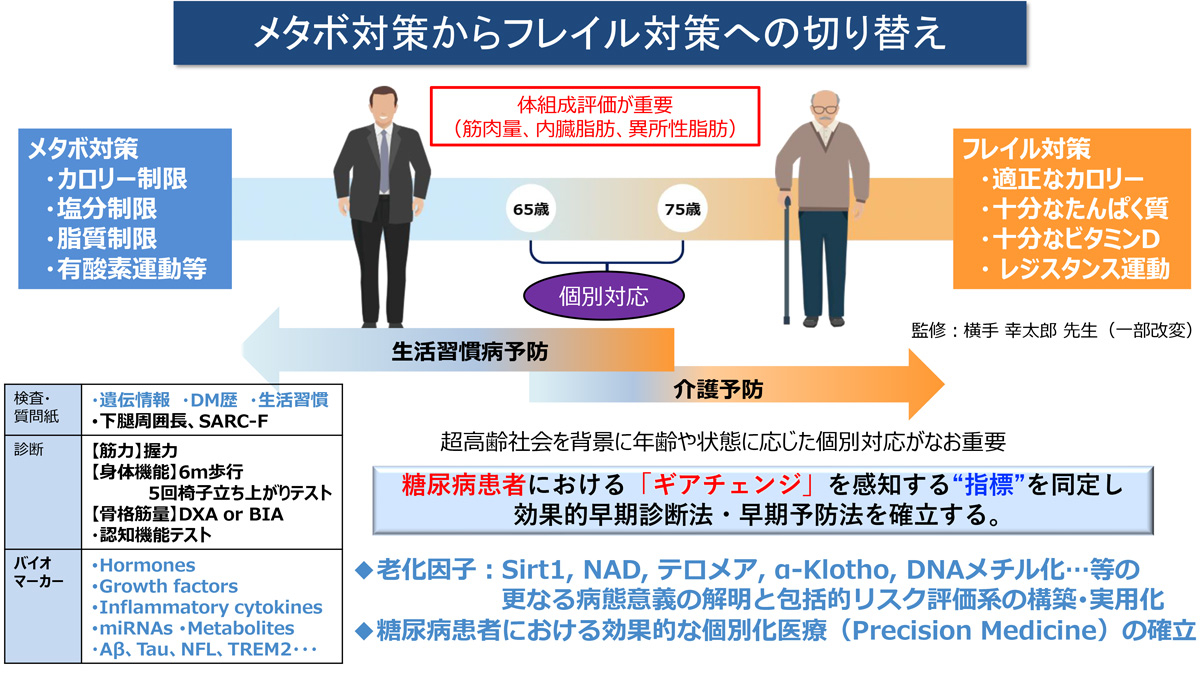
In super-aging societies, diabetes and obesity are increasingly prevalent and contribute to the development of geriatric syndromes—particularly sarcopenia and dementia—as well as cardiovascular disease.
At this affiliated research unit, we promote studies aimed at elucidating the mechanisms by which diabetes and obesity drive the progression to geriatric syndromes, identifying predictive biomarkers, and establishing effective preventive strategies.
In our clinical research, we analyze multi-layered clinical data and biospecimens (including blood, genomic data, and stool samples) obtained from multicenter collaborative cohorts, health check-up cohorts, and the NCGG biobank, to clarify the prevalence and determinants of sarcopenia and cognitive decline associated with diabetes and obesity in older adults.
In parallel, our basic research employs aged and diabetic animal models and cellular systems to investigate the molecular mechanisms involved in disease pathogenesis and to evaluate the effects of nutritional and pharmacological interventions using molecular biological approaches.
Through this integrated clinical–basic translational research framework, we aim to establish effective strategies for early diagnosis and prevention of aging-related metabolic and geriatric disorders.
RESEARCH PROJECTS
Our research is conducted under the following thematic areas:
I. Development of early predictive biomarkers for functional decline in older adults with diabetes and obesity
- Identification of blood-based and body composition biomarkers to detect sarcopenia and cognitive decline prior to clinical onset
- Integrated analyses of muscle mass and muscle quality (e.g., phase angle) together with circulating molecular biomarkers
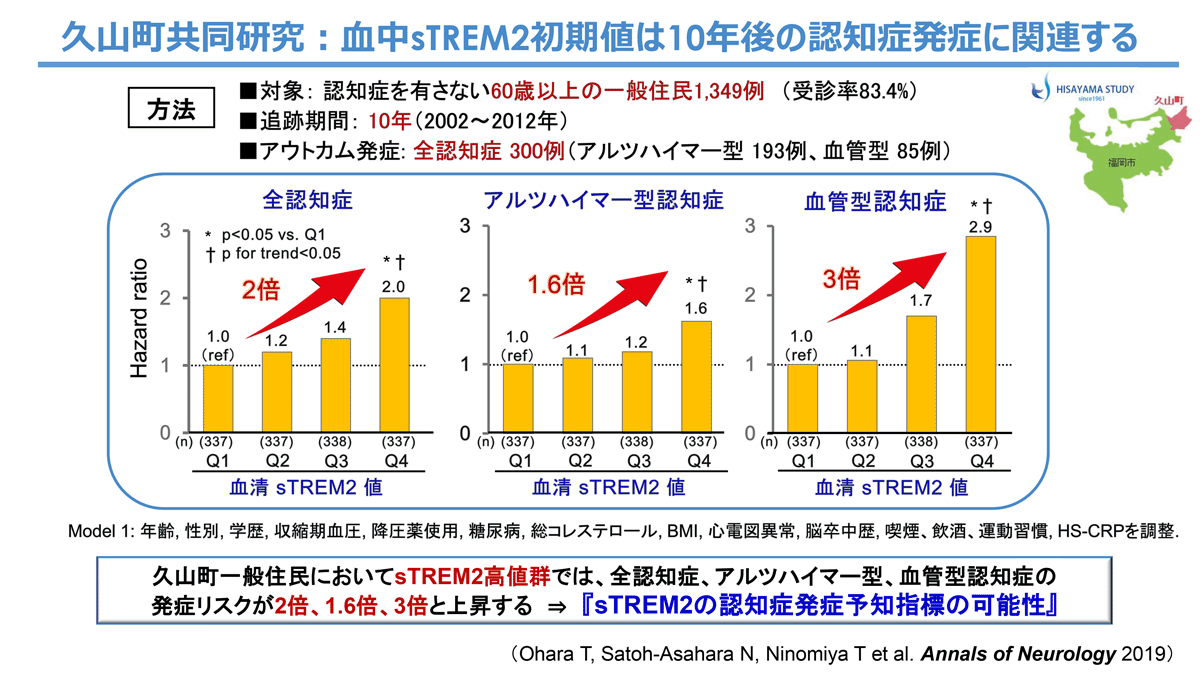
- Construction of predictive models for cognitive decline and mild cognitive impairment (MCI) focusing on TREM2, immune- and inflammation-related molecules, and metabolic factors
- Longitudinal analyses using the NCGG biobank and multicenter collaborative cohorts
II. Elucidation of the molecular basis of geriatric syndromes driven by metabolic dysfunction
- Investigation of the pathophysiological cascade through which metabolic abnormalities associated with obesity and diabetes progress to sarcopenia, frailty, and cognitive decline
- Analyses focusing on multiorgan crosstalk among skeletal muscle, adipose tissue, the immune system, and the brain
- Integrated pathophysiological analyses at the molecular, cellular, and whole-organism levels using aged and diabetic animal models and human biological specimens
III. Development of preventive and therapeutic strategies for geriatric syndromes through nutritional and metabolic interventions
- Elucidation of the effects and molecular mechanisms of nutritional factors, food-derived components, and antidiabetic agents on brain function, skeletal muscle, and metabolic regulation
BIBLIOGRAPHY
The research achievements of this affiliated program are available on the publications page of the Department of Metabolic Genomics, Research Institute, National Center for Geriatrics and Gerontology: https://www.ncgg.go.jp/ri/lab/gero/department/metabolism/
MESSAGE
Japan has entered a super-aging society ahead of the rest of the world, where diabetes and obesity increasingly contribute to geriatric syndromes such as sarcopenia and cognitive decline, posing major medical and societal challenges. These conditions cannot be explained by a single organ but rather reflect complex pathophysiology involving interactions among metabolism, skeletal muscle, the immune system, and the brain.
In our program, we value transforming clinical questions into research, and conduct translational studies that integrate clinical research using multicenter cohorts and biobank data with basic experimental research.
Would you like to join us in research aimed at early detection and prevention of sarcopenia and cognitive decline?
Why not discover world-first findings with your own hands?
We welcome students who are interested in diabetes, obesity, aging, nutrition, exercise, immunity, or dementia.
Students from diverse backgrounds—including medicine, nutrition, life sciences, and epidemiology—are encouraged to apply, and we strive to provide an environment in which they can thrive.
If you are eager to learn both clinical medicine and research, or conduct research that contributes to society, please feel free to contact us. We look forward to working with you.
