Clinical Exchange in Japan
Welcome to Japan and Nagoya University school of Medicine!
Experience report
Name: Vu Thi Tra Mi
School: Medical University of Gdansk
Study Period: September 29th - December 5th, 2025
Departments: Obstetrics and Gynecology / Pediatric Surgery / Pediatrics and Cardiology
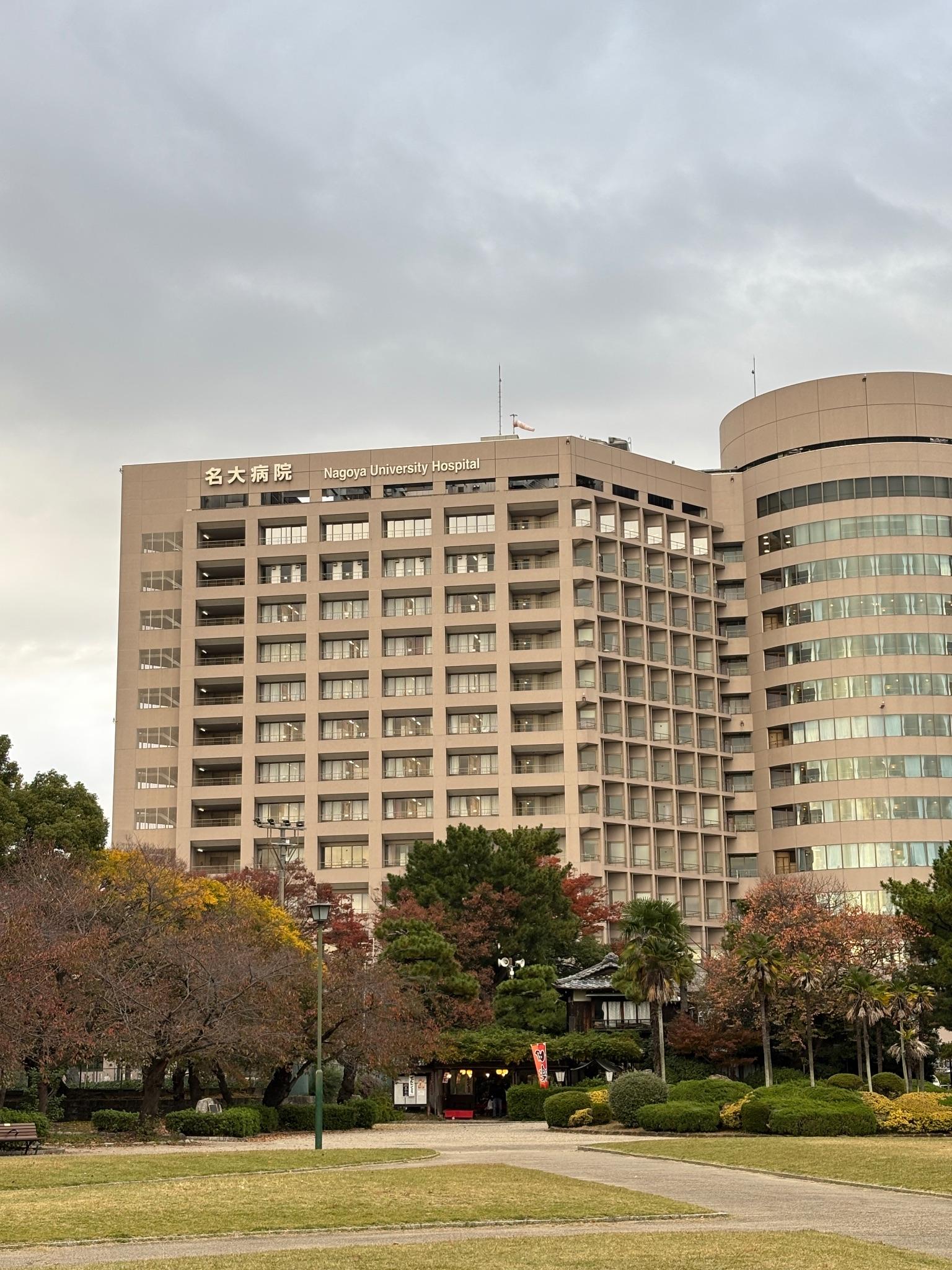
My three-month medical internship took place from October to December at a university hospital in Nagoya, Japan. The internship was a unique educational and personal experience that allowed me not only to expand my clinical knowledge and practical skills, but also to gain insight into the Japanese healthcare system, medical education, and work culture. Throughout the internship, I rotated through several departments, which provided me with a broad and comprehensive medical perspective.
Department of Obstetrics and Gynecology
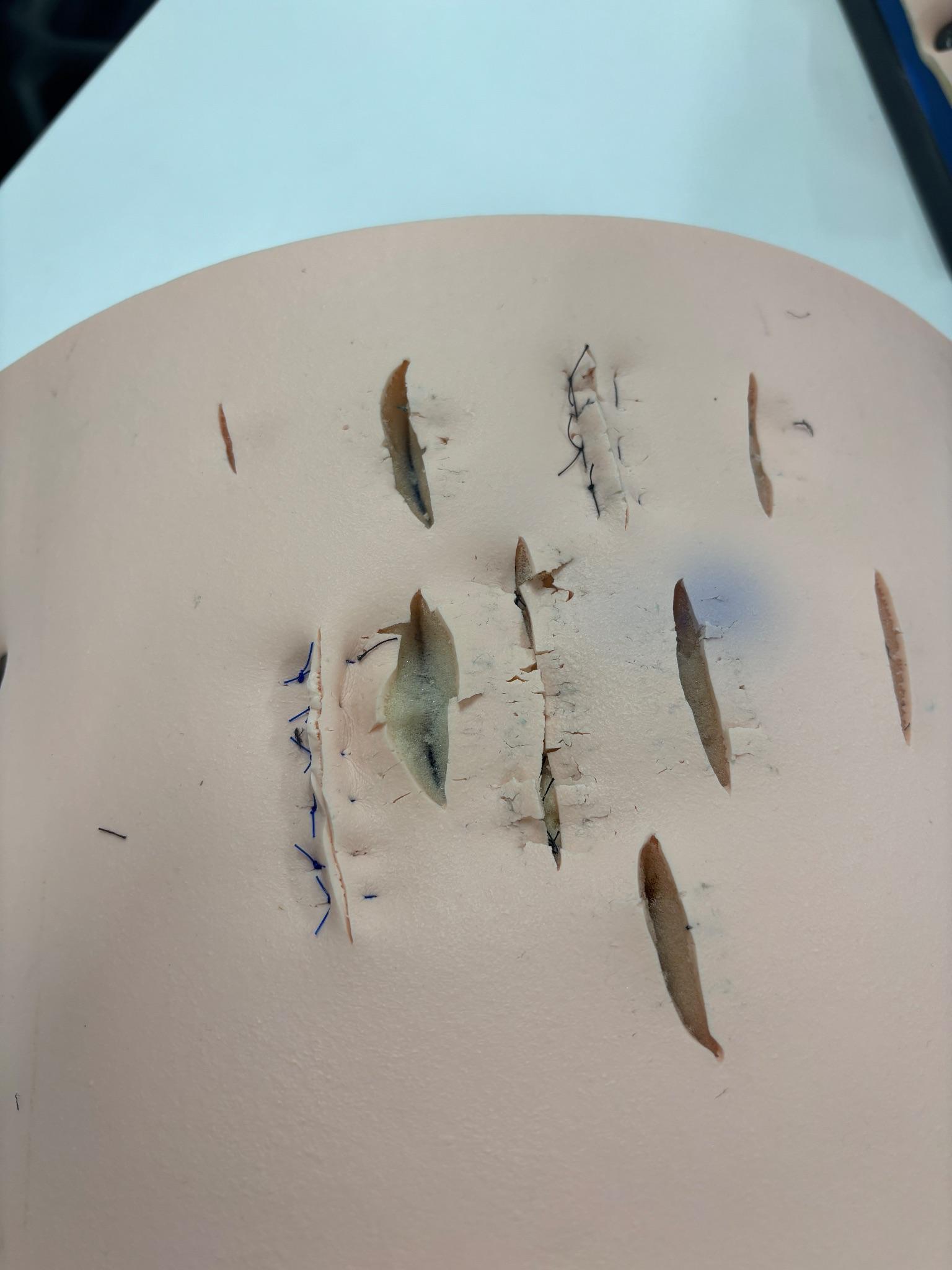
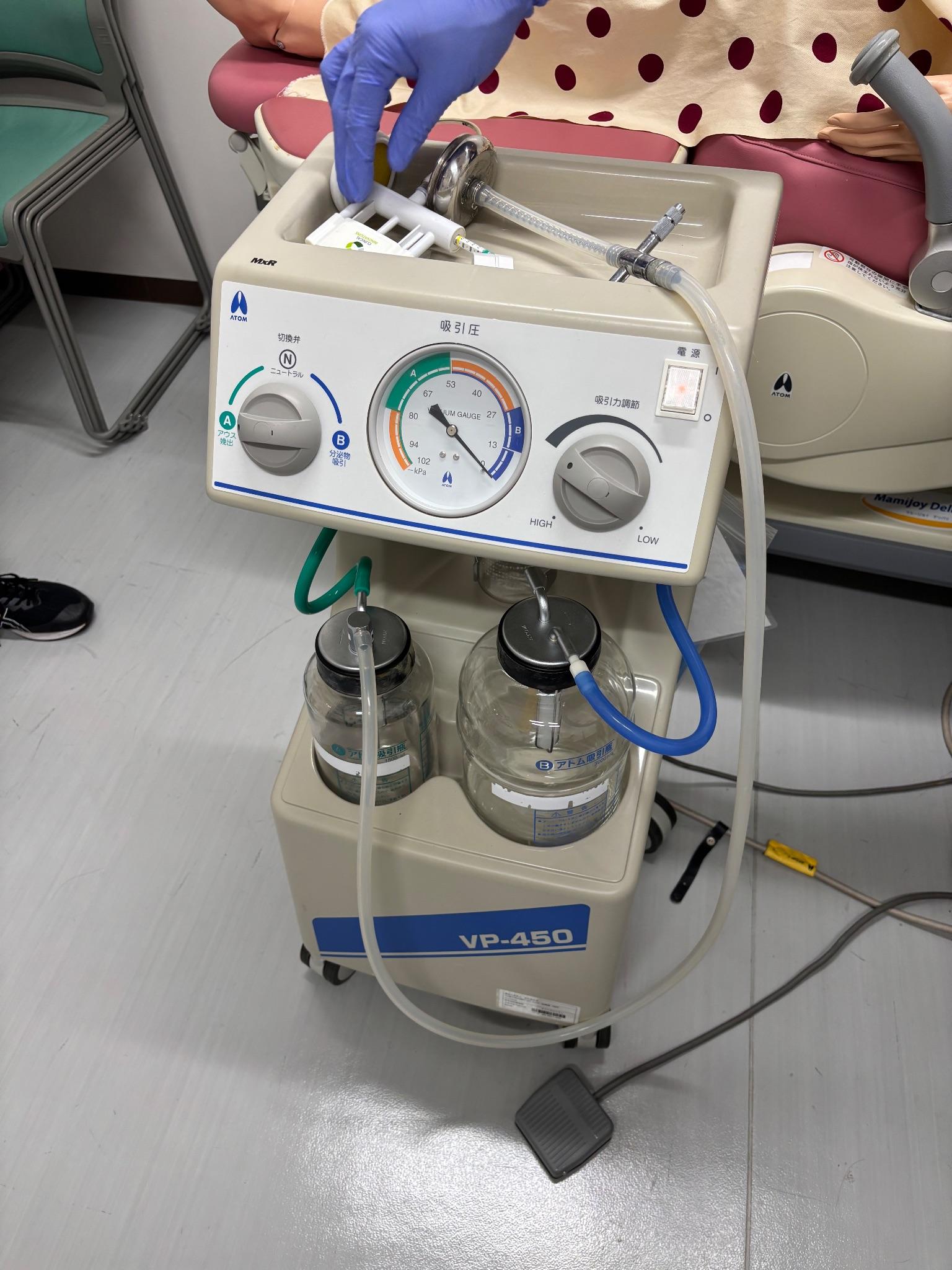
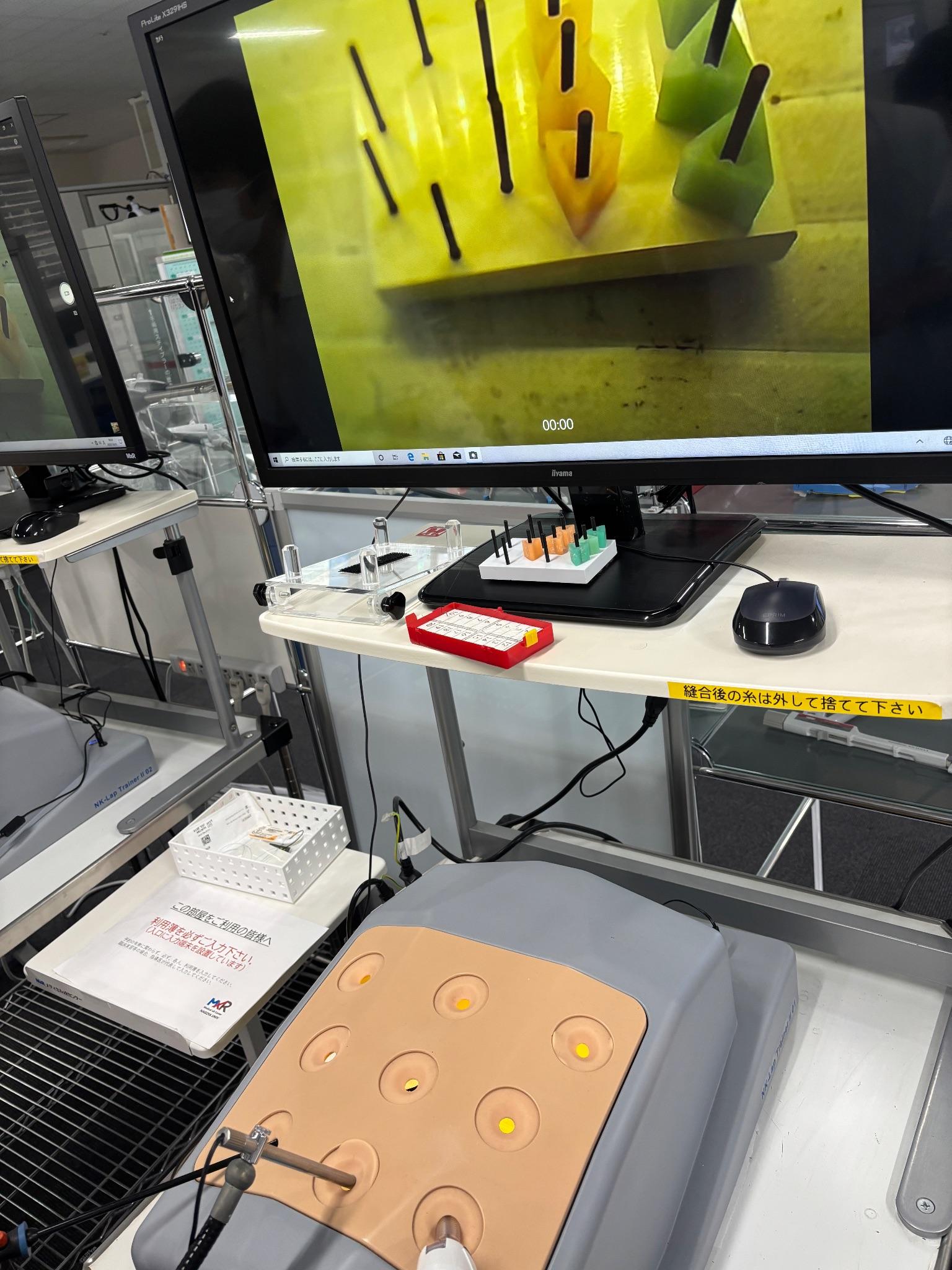
The 1st month of my internship was spent in the Department of Obstetrics and Gynecology. During the initial week, I participated in structured seminars and hands-on practical classes. These sessions focused on developing basic and advanced surgical skills, including advanced suturing techniques, assisting in vaginal deliveries, and using laparoscopic instruments. This was a completely new experience for me, as at my home university in Poland I had not yet been exposed to such practical training at this stage of my studies. The opportunity to actively practice these skills significantly increased my confidence and manual dexterity.
In the following two weeks, I was assigned to the operating theatre, where I observed numerous gynecological surgeries. Most notably, I had the opportunity to assist for the first time in a major oncological procedure involving hysterectomy with removal of the adnexa and regional lymph nodes. Observing the organization of the operating room, the precision of the surgical techniques, and the close cooperation between surgeons, anesthesiologists, and nursing staff provided valuable insight into high-standard surgical care.
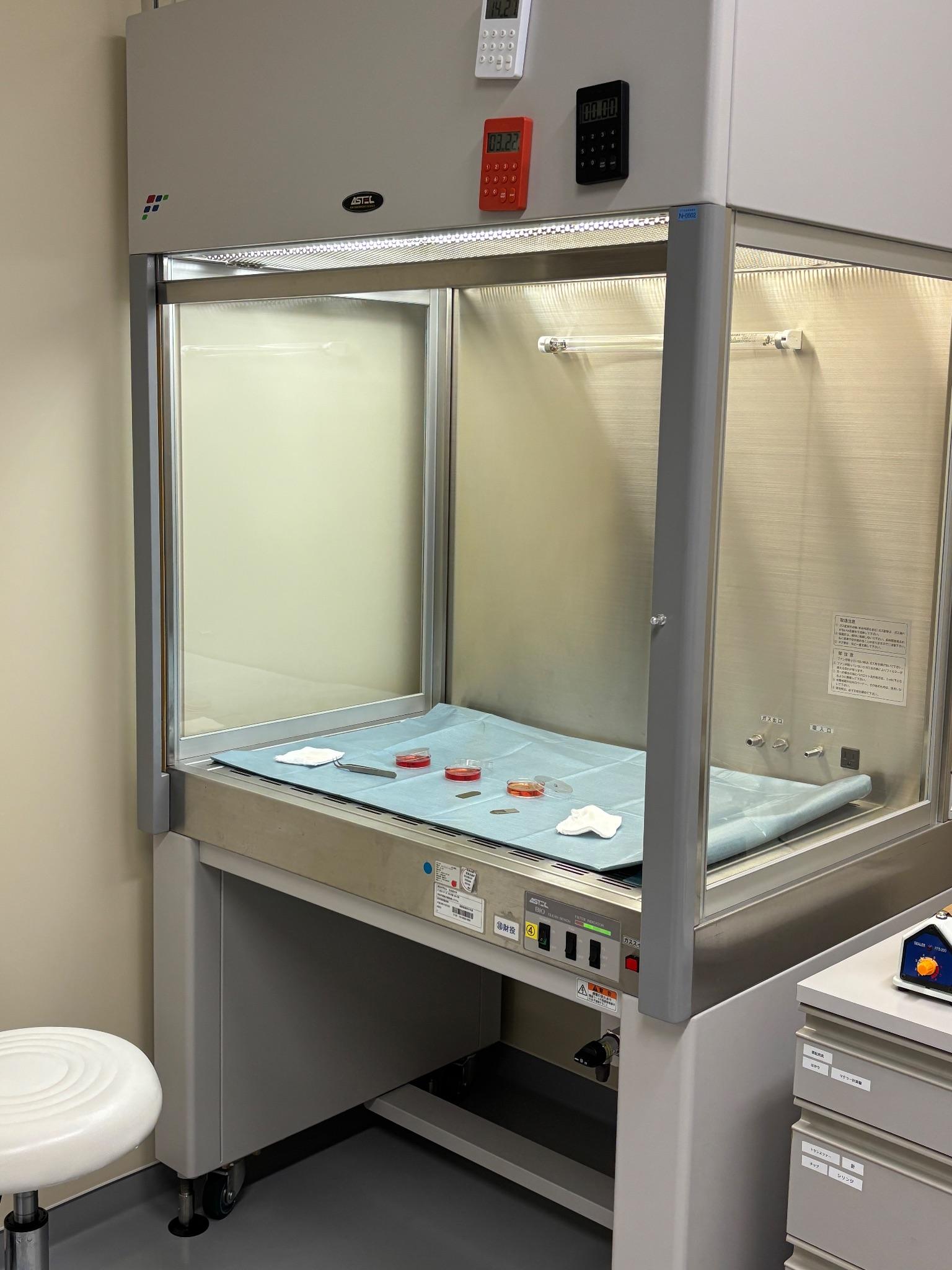
The final week of this rotation was spent in the infertility clinic. I observed the full course of in vitro fertilization (IVF) procedures, from patient consultations to laboratory work. I was given the exceptional opportunity to visit the embryology laboratory and observe embryo cryopreservation. This experience was particularly remarkable to me, as in Poland IVF procedures are most commonly performed in private clinics and access to such facilities during medical studies is limited. This rotation broadened my understanding of reproductive medicine and highlighted the differences in healthcare accessibility between countries.
Department of Pediatric Surgery
The 2nd month of my internship was dedicated to the Department of Pediatric Surgery, which is my favorite medical specialty and the field I am strongly considering pursuing in the future. I was warmly welcomed by the entire medical team, and from the very beginning I felt included and supported. It was a true privilege and honor to observe Professor Uchida, an outstanding and highly respected pediatric surgeon.
Throughout the month, I observed a wide range of complex surgical procedures, including repair of esophageal atresia, congenital diaphragmatic hernia, anorectal malformations, and other congenital conditions. These cases allowed me to better understand pediatric anatomy and perioperative management of young patients.
One of the most impressive experiences during this rotation was witnessing a biopsy of a 20-centimeter neuroblastoma located at the apex of the lung. The complexity of the procedure and the precision required left a lasting impression on me and reinforced my interest in pediatric surgery and pediatric oncology.
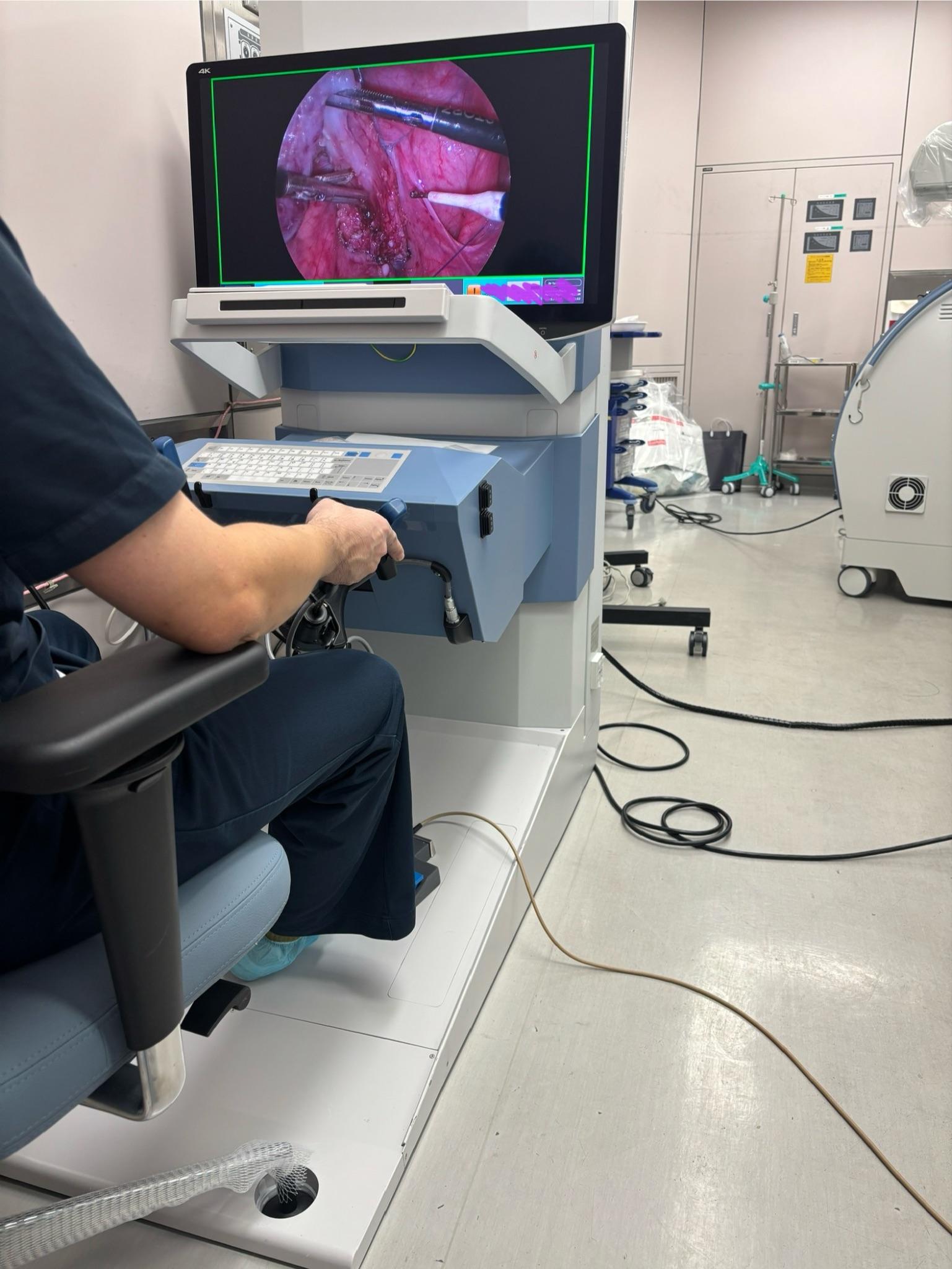
Additionally, I was exposed to an impressive number of robot-assisted surgeries. I observed procedures performed using advanced robotic systems such as da Vinci and the Senhance system. This experience significantly expanded my understanding of modern surgical technology and its growing role in pediatric surgery.
Department of Pediatrics and Cardiology
During the third month of my internship, I rotated through the pediatric and cardiology departments. In the pediatric neurology unit, I examined children diagnosed with various epilepsy syndromes and participated in an in-depth seminar dedicated to electroencephalography (EEG).
The following week was spent in the general pediatric and oncology units. I encountered a broad spectrum of pediatric patients, ranging from severe and life-threatening conditions such as Wilms tumor, leukemia, and hematological disorders, to more common pediatric cases including viral infections, dermatological conditions, and Kawasaki disease. This rotation strengthened my clinical reasoning skills and emphasized the importance of holistic and family-centered care in pediatrics.
In the cardiology department, I spent a significant amount of time in the catheterization laboratory. I observed advanced interventional procedures such as coronary angiography, cardiac catheterization, and percutaneous coronary intervention (PCI). This experience allowed me to better understand the diagnostic and therapeutic possibilities of invasive cardiology and the importance of precise imaging and teamwork in high-risk procedures.
Personal and Professional Development
Beyond clinical knowledge and technical skills, this internship played a crucial role in my personal and professional development. Working in an international environment taught me adaptability, effective communication across language and cultural barriers, and respect for different medical practices and work ethics. I was deeply impressed by the professionalism, discipline, and mutual respect that characterize Japanese medical teams.
I also had the opportunity to build meaningful relationships with other medical students, who welcomed me warmly and made me feel supported despite being far from home. Their openness and kindness helped me overcome the challenges of living and working in a foreign country.
Conclusion
In conclusion, completing a three-month medical internship at a university hospital in Nagoya was an extraordinary privilege. I expanded my medical knowledge, improved my practical skills, and gained invaluable insight into advanced medical technologies and patient care. I am profoundly grateful to all the teachers and physicians for their mentorship, to the students for their friendship and support, and to the administrative staff for their excellent organization and communication, which made the entire internship run smoothly. The kindness, politeness, and warmth of the Japanese people left a lasting impression on me, and I will carry the lessons learned during this internship throughout my future medical career.
Click here to read other stories
Nagoya University Graduate School of Medicine