Clinical Exchange in Japan
Welcome to Japan and Nagoya University school of Medicine!
Experience report
Name: Helena Kirr
School: LMU Munich
Study Period: February 25th - April 18th, 2025
Departments: Nephrology
At the time of my rotation at Nagoya University Hospital, I was a final year medical student at Ludwig-Maximilians-University in Munich, Germany.
In Germany, the final year, or practical year, consists of only clinical rotations and is divided into three sections of four months each – four months of internal medicine, four months of surgery and four months of a subject of choice. One of these sections may be split in two, which is how I was able to attend two months of rotations in internal medicine at Nagoya University Hospital.
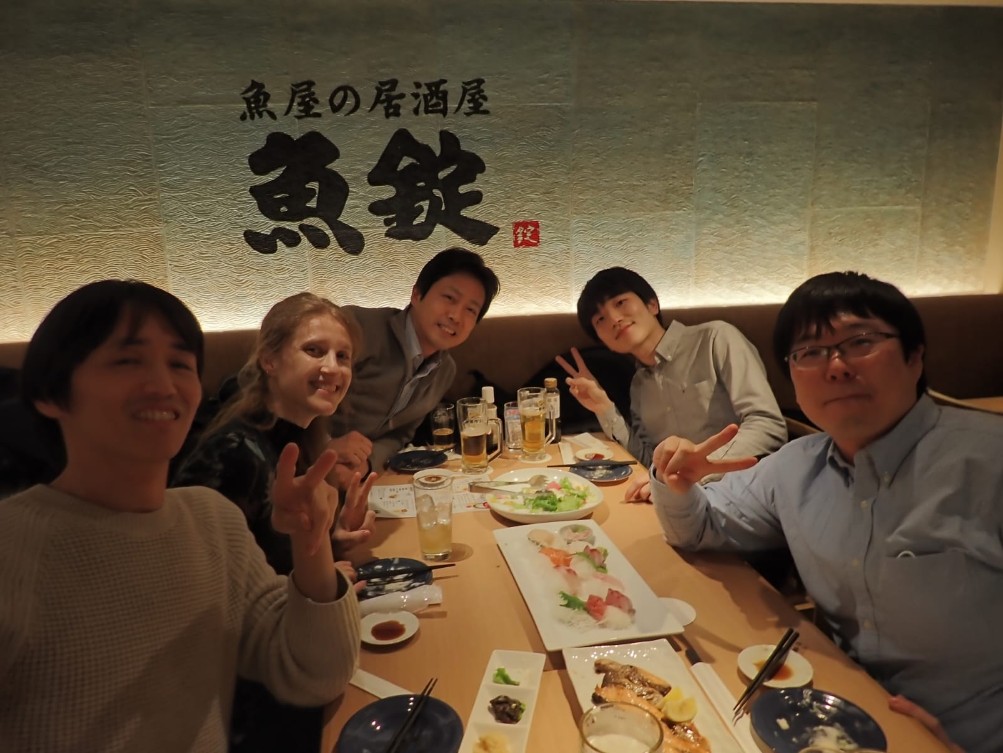
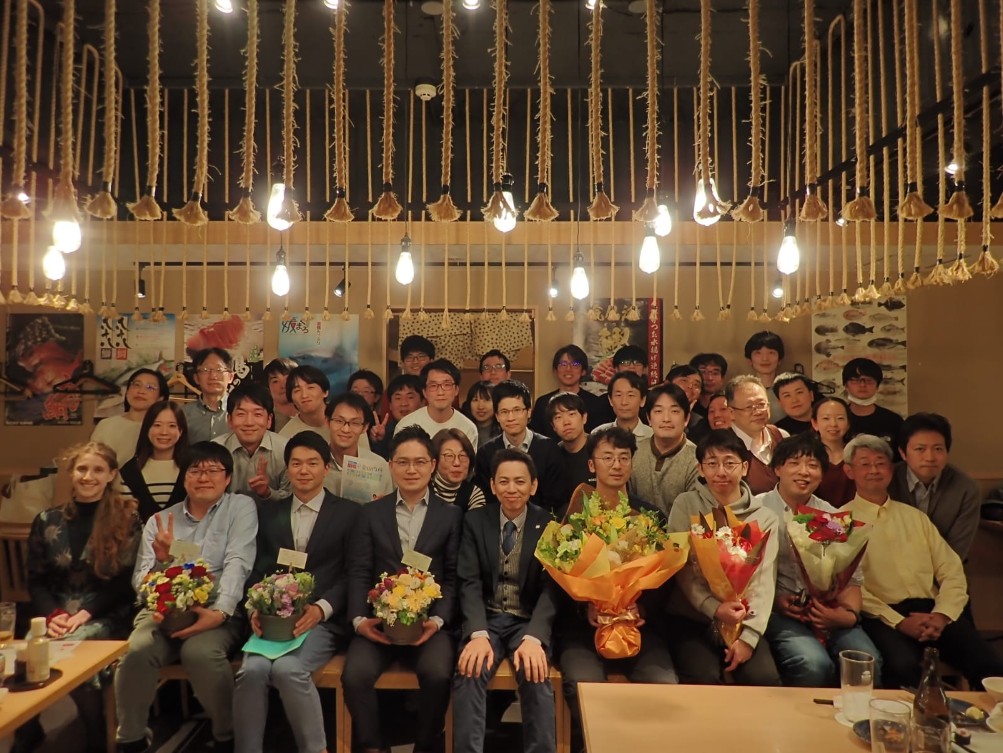
My first rotation was in the department of Nephrology. I had been studying a little bit of Japanese, but I would also recommend this department very much for students who cannot speak Japanese, as the Professors have studied abroad. The doctors devised an intensive and comprehensive teaching regimen for me, consisting of ward rounds, outpatient clinic appointments, rounds in the dialysis department, pathology and nephrology conferences. This surely took up a lot of their time, and I am very grateful for all the effort they put into helping me learn. I had not had any Nephrology rotations at the hospital beforehand, as that part of my studies fell in Covid times, but the doctors made sure to explain everything to me very thoroughly, so I had a very solid grasp on the subject by the time my final exams came around. Everyone was very welcoming, I was even invited to their department party, as I was doing my rotation at the end of Japans’ societal year. It was a Goodbye-Party for some of the younger doctors, and we had a lot of fun!
The second rotation I attended was in the hematooncology department.
Here the schedule was divided into morning teaching sessions or morning ward rounds and events like the application of intrathecal chemotherapy, or bone marrow biopsies. I was able to witness a broad patient clientele. I also often shadowed junior doctors as they went about their clinical duties. One of my tasks was the creation of a report on AML, which I got to discuss with the doctor responsible for my teaching every Friday. It was very interesting to see the differences in disease incidences between Germany and Japan. In Germany, Hodgkins’ Lymphoma is a common lymphoma, especially in young adults, while it is very rare in Japan. I was also able to discuss recent research and differences in treatment with senior doctors, and felt very prepared for my finals after my rotation.
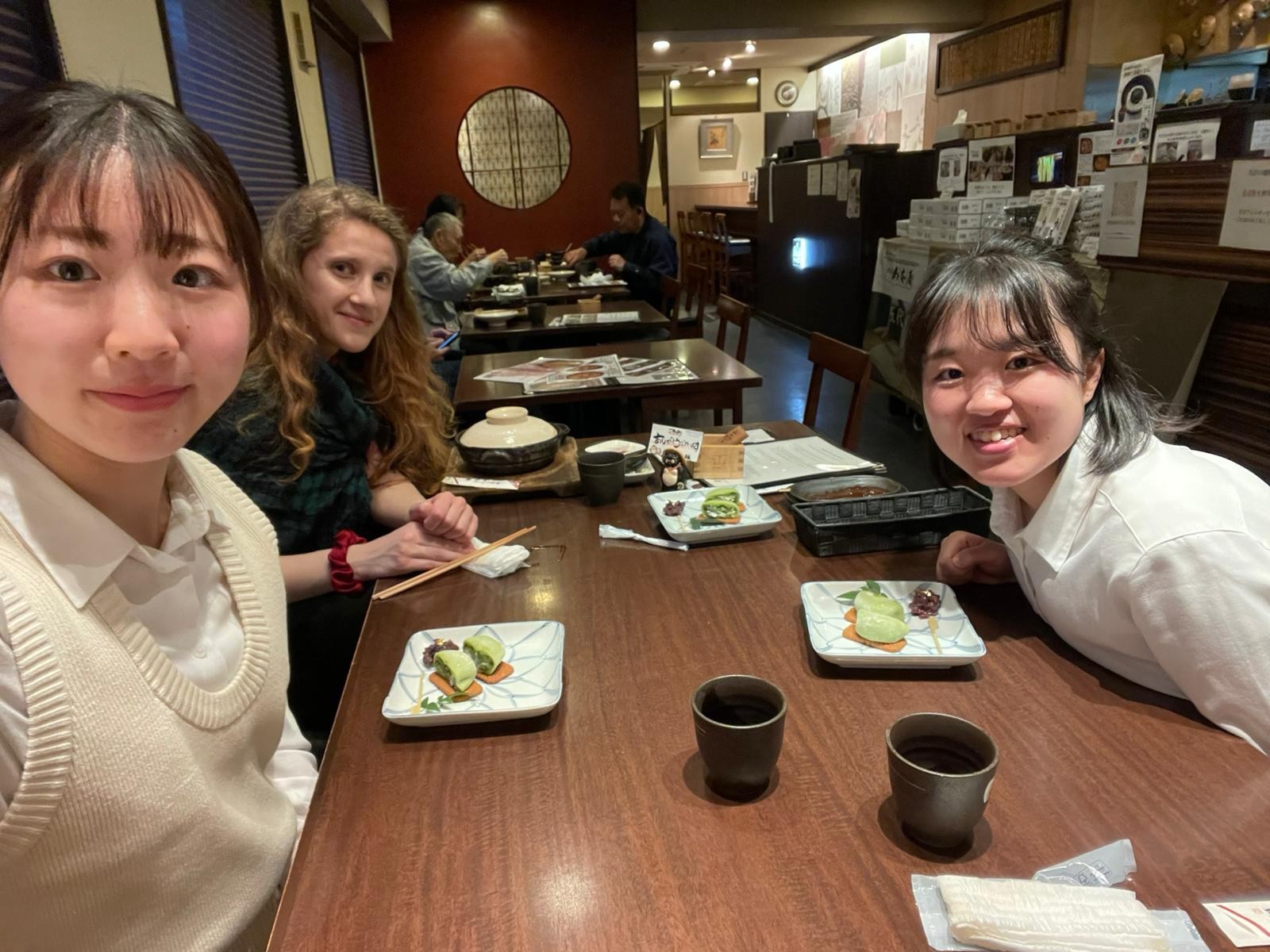
My fellow students also took really good care of me. We went strawberry picking and had some really nice meals together! I hope I will be able to return the favour when they come to Germany sometime.
I would like to also thank the staff of the international office- I was very well taken care of! They supported me a lot with my documents for my university, which were necessary for my graduation. I can definitely recommend a rotation at Nagoya University Hospital.
Click here to read other stories
Nagoya University Graduate School of Medicine