Clinical Exchange in Japan
Welcome to Japan and Nagoya University school of Medicine!
Experience report
Name: Ehsan Keshtkar
School: University of Bologna, Italy
Study Period: October 6 – December 26, 2025
Departments: Ophthalmology (4 weeks), Neurosurgery (4 weeks), Gastroenterology (4 weeks)
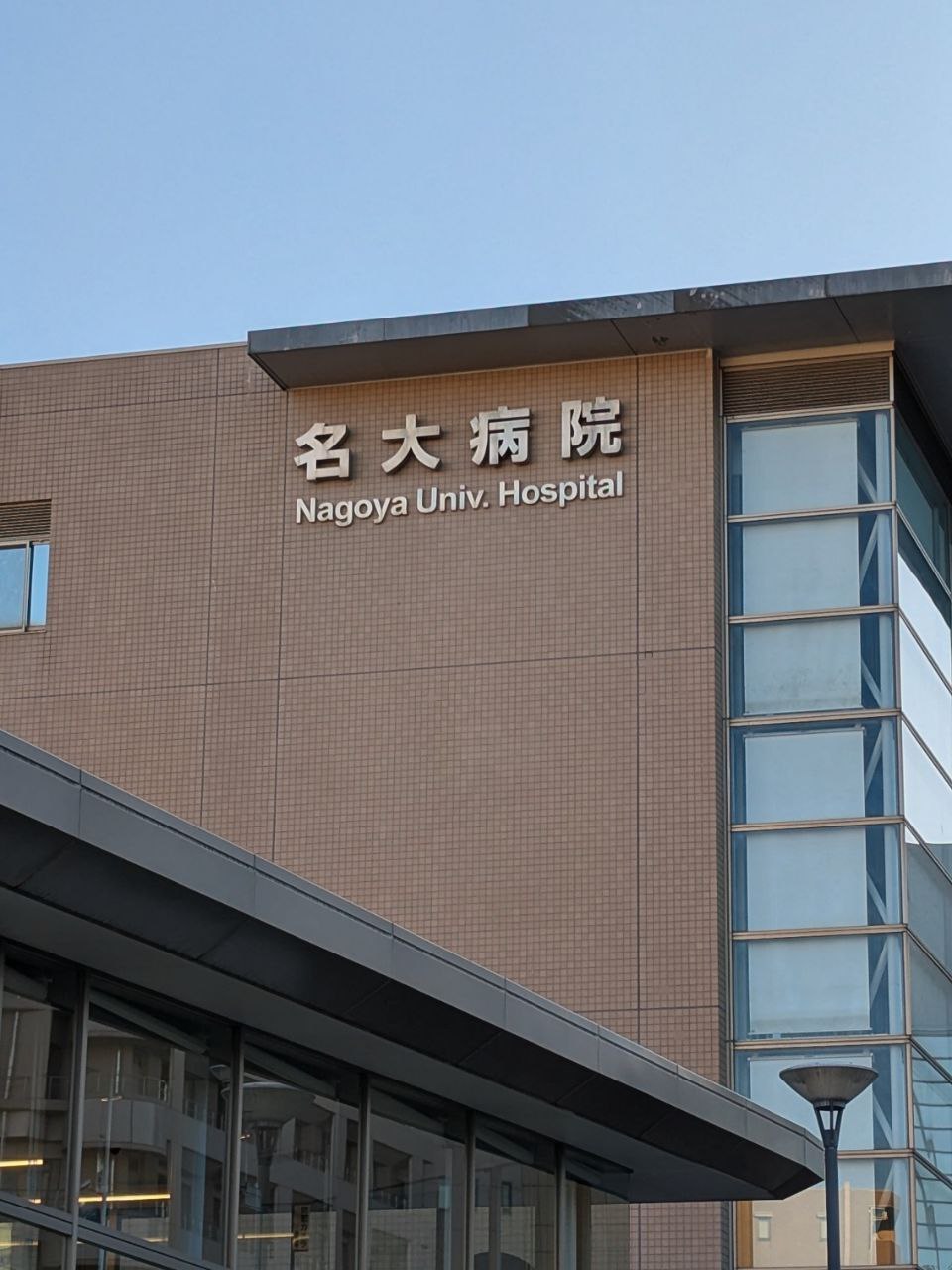
During my final year of medical school, I had the chance to spend three months at Nagoya University Hospital. I joined this exchange to experience a healthcare system different from my own and to broaden my clinical perspective. Looking back, I can say that the rotation was even more rewarding than I expected. I not only gained valuable medical knowledge but also developed a more holistic view of healthcare that I will carry with me into my future career.
Ophthalmology
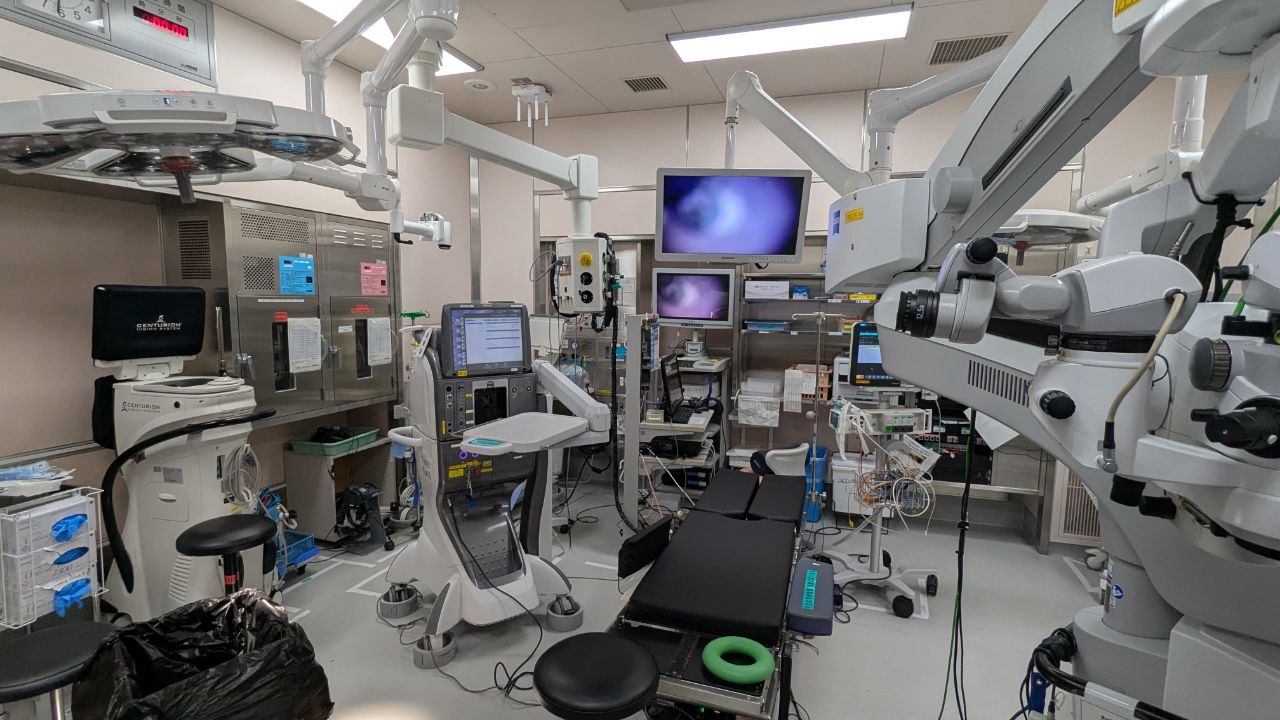
DMy first month was in the Department of Ophthalmology. I was impressed by the high level of specialization, especially in the management of retinal and vitreous diseases. I observed complex surgeries for conditions such as diabetic retinopathy and retinal detachment. The operating theatres were equipped with advanced technology, which allowed for very precise procedures.
Despite their busy schedules, the professors and residents were always willing to help. An ophthalmologist was available throughout the rotation to explain the procedures in English, which made it much easier for me to follow along and feel part of the team.
Neurosurgery
The second month was spent in Neurosurgery. This was an eye-opening experience, particularly seeing the operating rooms equipped with intraoperative MRI and navigation systems. The precision and skill of the surgeons were truly inspiring. What impressed me most was that the team focused not only on the technical aspects of surgery but also on the long-term quality of life for their patients. Even with the language barrier, the staff made sure I was included in morning conferences and helped me understand the surgical indications and postoperative care plans.
Gastroenterology
My final month was in Gastroenterology. Nagoya University Hospital is well known for its work in early cancer detection and advanced endoscopic treatments, and I was fortunate to witness this firsthand. I observed several Endoscopic Submucosal Dissection (ESD) procedures, a technique that is particularly advanced in Japan compared to many other countries.
The seamless collaboration between endoscopists, surgeons, and pathologists stood out to me. This rotation highlighted the importance of early screening and showed me the great potential of minimally invasive treatments.
Life in Nagoya
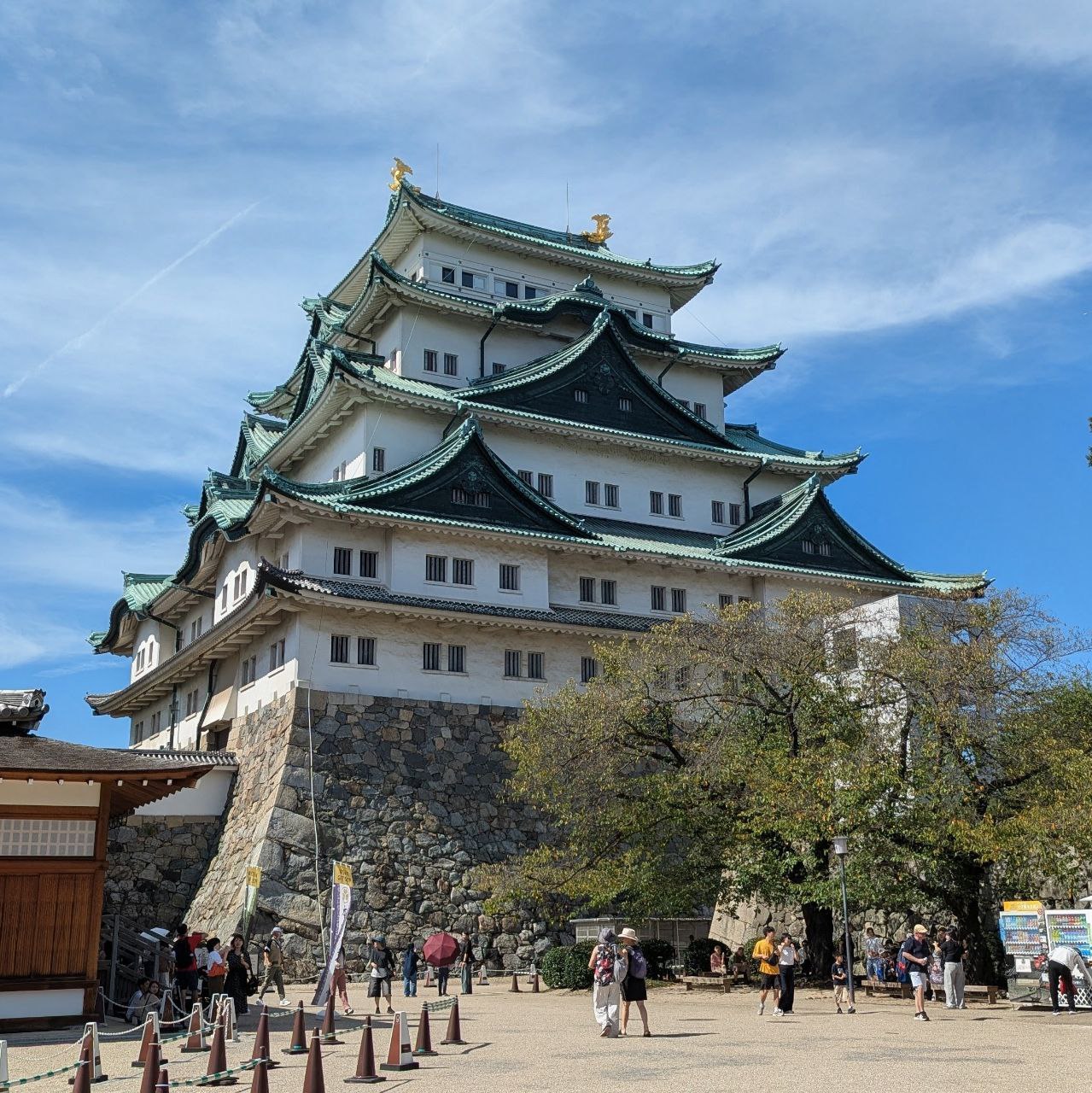
Outside the hospital, living in Nagoya during the autumn season was a wonderful experience. The city is clean, safe, and full of beauty. I especially enjoyed visiting Nagoya Castle and the peaceful Atsuta Shrine, and the autumn leaves made the whole city feel magical.
Click here to read other stories
Nagoya University Graduate School of Medicine